


undenatured ethyl alcohol-UK IMPORTERS
UK Undenatured Ethyl Alcohol Importers
Comprehensive Directory of Undenatured Ethyl Alcohol Importing Companies in the United Kingdom
Table of Contents
Overview of Undenatured Ethyl Alcohol Imports in the United Kingdom
The United Kingdom stands as one of the most significant markets for undenatured ethyl alcohol in Europe, with a sophisticated network of importers, distributors, and industrial consumers driving substantial trade volumes each year. Unlike denatured ethyl alcohol, which has been treated with additives to render it unfit for human consumption and therefore exempt from certain excise duties, undenatured ethyl alcohol is pure ethanol that has not been chemically altered. This distinction places undenatured ethanol in a different regulatory category, subject to excise taxes and stricter controls, but also makes it essential for applications where purity and food-grade quality are paramount, including pharmaceutical manufacturing, beverage production, food processing, cosmetics formulation, and laboratory research.
The UK's undenatured ethyl alcohol import market is deeply intertwined with the country's world-renowned spirits and beverage industry, which requires vast quantities of high-purity ethanol for whisky production, gin distillation, vodka manufacturing, and the formulation of liqueurs and other alcoholic beverages. Beyond the drinks sector, undenatured ethanol is indispensable to the UK's pharmaceutical industry, where companies like GlaxoSmithKline and AstraZeneca use it as a solvent and intermediate in drug manufacturing. The personal care and cosmetics sector also relies heavily on undenatured ethanol for perfumes, colognes, hand sanitizers, antiseptic products, and a wide range of topical formulations. The COVID-19 pandemic further underscored the strategic importance of undenatured ethanol, as demand for pharmaceutical-grade alcohol in hand sanitizer production surged dramatically and exposed vulnerabilities in global supply chains.
From a trade perspective, the UK sources undenatured ethyl alcohol from multiple international suppliers, with the European Union historically serving as the primary trading partner. Countries such as France, Germany, the Netherlands, and Spain have been major suppliers of industrial and beverage-grade ethanol to the UK market. Following Brexit, the regulatory and customs landscape for alcohol imports has evolved, with new requirements for excise duty movement certificates, customs declarations, and rules of origin documentation. Brazil has also emerged as an important supplier, leveraging its massive sugarcane-based ethanol industry to provide competitively priced product. The UK's major ports, including the Port of Southampton, the Port of Liverpool, and the Port of Immingham, handle significant volumes of ethanol imports, while Felixstowe and Tilbury serve as key entry points for containerized shipments from continental Europe and beyond.
Importer Company Names
Below is a comprehensive list of prominent companies operating in the United Kingdom that are involved in undenatured ethyl alcohol import, distribution, and industrial utilization. These companies represent a diverse range of industries including energy, spirits production, food ingredients, specialty chemicals, and financial services. Each of these firms plays a vital role in maintaining the UK's industrial supply chain and ensuring the steady availability of undenatured ethanol for downstream manufacturing processes.
- bp international ltd
- DIAGEO SCOTLAND LTD
- DONNETT OMARI AMOAKO
- greenergy international limited
- kerry ingredients holdings uk ltd
- sigma-aldrich company ltd
- transeur export finance co ltd
- william grant & sons distillers ltd
These companies collectively represent a significant portion of the UK's undenatured ethyl alcohol consumption and are regularly engaged in international trade activities. Many of them maintain long-standing relationships with global ethanol producers and distributors, ensuring competitive pricing and reliable supply chains. The diversity of industries represented in this list, from multinational energy corporations like bp to iconic Scottish distillers like William Grant & Sons, highlights the widespread applicability of undenatured ethanol across the UK's industrial and commercial landscape. Their combined purchasing power and distribution capabilities make them critical nodes in the UK's alcohol supply network.
The UK Undenatured Ethyl Alcohol Market: Trade Dynamics, Regulatory Landscape, and Industry Outlook
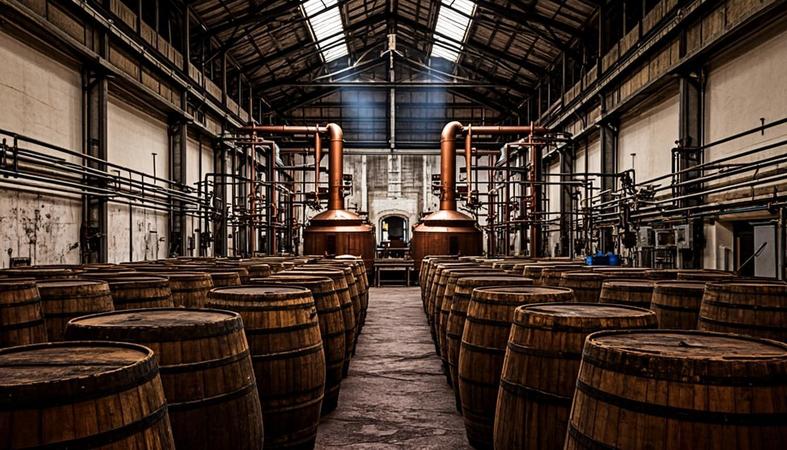
The Strategic Role of Undenatured Ethyl Alcohol in the UK Economy
Undenatured ethyl alcohol occupies a uniquely important position in the United Kingdom's economic and industrial landscape, serving as a critical input material for some of the country's most iconic and economically significant industries. The UK's spirits sector alone generates billions of pounds in annual revenue and supports hundreds of thousands of jobs across Scotland, England, Wales, and Northern Ireland. Scotch whisky, the UK's most valuable food and drink export, is fundamentally dependent on undenatured ethyl alcohol, both as a product component and as a processing aid in distillation operations. Companies such as Diageo Scotland LTD and William Grant & Sons Distillers LTD are among the world's largest spirits producers and are major consumers of undenatured ethanol in their extensive distillery operations spread across Scotland. Beyond the spirits sector, undenatured ethanol is equally vital to the pharmaceutical, personal care, food processing, and specialty chemicals industries, making it a foundational material for a remarkably broad cross-section of the UK economy.
Regulatory Framework and Excise Duty Considerations
The regulatory environment governing undenatured ethyl alcohol in the UK is among the most comprehensive and tightly controlled in the world, reflecting both the significant tax revenues at stake and the public health imperatives associated with alcohol products. HM Revenue and Customs (HMRC) serves as the primary regulatory authority, administering the Alcohol Duty regime under the Alcoholic Liquor Duties Act 1979 and subsequent amendments. All undenatured ethyl alcohol imported into or produced within the UK is subject to excise duty, which represents a significant cost component that directly affects the economics of import operations. The current duty rates vary depending on the strength and intended use of the alcohol, with beverage-grade ethanol attracting the highest rates while certain industrial and pharmaceutical applications may qualify for reduced rates or duty exemptions under specific circumstances.
Importers of undenatured ethyl alcohol must hold valid HMRC approvals and comply with extensive record-keeping requirements, including the maintenance of duty movement documentation, stock reconciliation records, and end-use declarations. The UK's departure from the European Union has introduced additional complexity to the regulatory landscape, as imports from EU member states are now treated as third-country imports subject to full customs declarations and excise duty procedures, whereas previously they could move under the EU's duty suspension arrangements. This regulatory shift has prompted many UK importers to reassess their supply chain strategies, with some opting to increase domestic production capacity while others have invested in new warehousing and logistics infrastructure to handle the additional documentation requirements associated with post-Brexit trade flows.
Key Importers and Their Market Roles
The UK's undenatured ethyl alcohol import market is characterized by a mix of large multinational corporations and specialized domestic firms, each serving distinct functions within the supply chain. BP International Ltd represents the energy sector's involvement in ethanol trade, leveraging its extensive logistics network and storage infrastructure to handle bulk ethanol shipments for fuel blending and industrial applications. Greenergy International Limited is a particularly notable player, operating as one of the UK's largest suppliers of road transport fuels and biofuels, with significant ethanol handling and blending capabilities at its terminals across the country. The company's role in the UK's Renewable Transport Fuel Obligation (RTFO) scheme has positioned it as a key conduit for undenatured ethanol flowing into the transport fuel sector.
In the spirits and beverage sector, Diageo Scotland LTD stands as arguably the most significant single consumer of undenatured ethyl alcohol in the UK. As the parent company behind iconic brands such as Johnnie Walker, Bell's, J&B, and Tanqueray, Diageo operates numerous distilleries and bottling facilities across Scotland that require consistent and voluminous supplies of high-purity ethanol. William Grant & Sons Distillers LTD, the independent family-owned spirits company behind brands including Glenfiddich, Grant's, and Hendrick's Gin, similarly represents a major demand center for undenatured alcohol in its distillation and production operations. Kerry Ingredients Holdings UK LTD serves the food industry, utilizing undenatured ethanol as a solvent and extraction medium in the production of flavors, extracts, and specialty food ingredients that supply manufacturers across the UK and Europe.
International Trade Dynamics and Supply Chain Considerations
The UK's undenatured ethyl alcohol import trade is shaped by a complex interplay of global supply dynamics, regulatory requirements, and logistical considerations. The European Union remains the single most important source region for UK ethanol imports, with France, the Netherlands, and Germany serving as primary suppliers. These countries benefit from geographic proximity, established trade relationships, and well-developed logistics infrastructure that enables efficient delivery of bulk and containerized ethanol shipments to UK ports. Brazil has also established itself as a significant supplier, offering competitively priced sugarcane-derived ethanol that is particularly attractive for fuel blending and industrial applications where ultra-premium purity is not required. Caribbean nations and other sugar-producing regions have also emerged as niche suppliers of high-quality ethanol for the premium spirits market.
The logistics of undenatured ethyl alcohol importation requires specialized infrastructure and expertise. Ethanol is classified as a Class 3 flammable liquid under international dangerous goods regulations, necessitating specialized storage tanks with explosion-proof equipment, temperature-controlled environments to prevent degradation, and rigorous safety protocols throughout the supply chain. Major UK ethanol storage facilities are concentrated at ports including Southampton, Liverpool, and Immingham, where large tank farms provide buffering capacity to manage supply chain disruptions and seasonal demand fluctuations. The road tanker distribution network that delivers ethanol from port storage to end-user facilities must comply with ADR (Accord Dangereux Routier) regulations for the carriage of dangerous goods by road, adding further layers of compliance cost and operational complexity to the import process.
Market Outlook and Emerging Trends
Looking ahead, the UK undenatured ethyl alcohol market is poised for significant evolution driven by several converging trends. The UK's commitment to achieving net-zero carbon emissions by 2050 is reshaping demand patterns for bioethanol in transport fuel applications, with increasing emphasis on sustainable sourcing and carbon intensity reduction throughout the supply chain. The growing consumer preference for premium and craft spirits is driving innovation in the beverage alcohol sector, creating new demand niches for high-purity, organically sourced undenatured ethanol. The pharmaceutical sector's continued growth, particularly in the wake of the pandemic-driven expansion of domestic manufacturing capacity, represents another significant demand driver. Additionally, emerging applications in green chemistry, including the use of ethanol as a bio-based feedstock for producing ethylene and other platform chemicals, are opening entirely new market segments for undenatured ethyl alcohol in the UK.
The Growing Importance of Sustainability and Green Ethanol Certification
Sustainability has become a defining consideration in the UK undenatured ethyl alcohol market, with increasing pressure from consumers, regulators, and corporate sustainability commitments driving demand for responsibly sourced ethanol. Major UK importers and consumers are now actively seeking suppliers who can demonstrate compliance with recognized sustainability certification schemes, such as the ISCC (International Sustainability and Carbon Certification) system, the RED II (Renewable Energy Directive II) sustainability criteria, and the Bonsucro certification for sugarcane-derived ethanol. These certifications provide assurance that the ethanol has been produced using sustainable agricultural practices, with minimal environmental impact in terms of land use change, water consumption, and greenhouse gas emissions throughout the production lifecycle. Companies like Greenergy International Limited have been at the forefront of promoting sustainable biofuels in the UK market, and their sourcing practices increasingly influence the broader undenatured ethanol supply chain.
Challenges and Opportunities in the Post-Pandemic Era
The COVID-19 pandemic created both unprecedented challenges and unexpected opportunities for the UK undenatured ethyl alcohol market. On the challenge side, global supply chain disruptions, container shipping delays, and production shutdowns in key supplier countries created significant procurement difficulties for UK importers during 2020 and 2021. The surge in demand for pharmaceutical-grade ethanol for hand sanitizer production, while beneficial for some suppliers, also led to allocation constraints and price spikes that affected other sectors. However, the pandemic also accelerated several positive trends that continue to benefit the market. The UK government's recognition of domestic ethanol production as a strategic capability has led to increased support for local producers and supply chain resilience initiatives. The heightened awareness of hygiene and infection prevention has sustained elevated demand for ethanol-based products well beyond the immediate pandemic period, creating a structural increase in baseline demand for undenatured alcohol in healthcare and personal care applications.
Technology and Innovation in UK Ethanol Distribution
The UK undenatured ethyl alcohol distribution sector is increasingly embracing technology-driven solutions to improve efficiency, traceability, and compliance. Digital platforms for duty movement documentation are replacing paper-based systems, reducing administrative burden and improving real-time visibility into product movements throughout the supply chain. Blockchain-based traceability solutions are being piloted by several major importers to provide end-to-end provenance tracking from production facility through to end-use, addressing growing demand from regulators and consumers for supply chain transparency. IoT-enabled monitoring systems for storage tanks are becoming standard, providing continuous real-time data on temperature, levels, and environmental conditions that improve both safety and operational efficiency. These technological advances are helping UK importers remain competitive in a market where margins are tight and regulatory compliance costs are significant, while also positioning the sector for future growth as sustainability and transparency requirements continue to intensify.
Frequently Asked Questions About Undenatured Ethyl Alcohol Importers in the UK
What is undenatured ethyl alcohol and how does it differ from denatured ethyl alcohol?
Undenatured ethyl alcohol, commonly known as pure ethanol or absolute alcohol, is ethanol in its unadulterated form without any chemical additives or denaturants. It retains its full chemical purity and is suitable for applications where human consumption, pharmaceutical use, or food-grade quality is required. In contrast, denatured ethyl alcohol has been treated with substances such as methanol, isopropanol, or bittering agents to render it unfit for drinking, which allows it to be sold without beverage alcohol excise duties. The key practical difference is that undenatured ethanol is subject to excise tax and stricter regulatory controls, while denatured ethanol enjoys tax exemptions but cannot be used in food, beverage, or pharmaceutical applications that require pure ethanol.
What are the primary uses of undenatured ethyl alcohol in the UK?
The primary uses of undenatured ethyl alcohol in the UK span multiple industries. The spirits and beverage sector is the largest consumer, using undenatured ethanol for whisky, gin, vodka, and liqueur production. The pharmaceutical industry uses it as a solvent and intermediate in drug formulation. The personal care and cosmetics sector incorporates it into perfumes, colognes, hand sanitizers, and antiseptic products. The food processing industry uses it as a solvent for flavors and extracts. Industrial applications include its use in printing inks, paints, coatings, and as a laboratory reagent through distributors such as Sigma-Aldrich Company Ltd.
Which companies are the main importers of undenatured ethyl alcohol in the UK?
The main importers include bp international ltd, which handles ethanol for energy and fuel blending applications; DIAGEO SCOTISH LTD, one of the world's largest spirits companies; greenergy international limited, a major biofuels supplier; kerry ingredients holdings uk ltd, serving the food ingredients sector; sigma-aldrich company ltd, a specialty chemicals and laboratory reagents distributor; william grant & sons distillers ltd, a leading independent Scotch whisky producer; DONNETT OMARI AMOAKO; and transeur export finance co ltd. Together these companies represent a broad cross-section of the UK's ethanol-consuming industries.
What regulations govern undenatured ethyl alcohol imports into the UK?
Undenatured ethyl alcohol imports into the UK are primarily governed by HM Revenue and Customs (HMRC) under the Alcoholic Liquor Duties Act 1979. Importers must hold valid HMRC approvals, pay excise duty, and comply with record-keeping requirements for duty movement documentation and stock reconciliation. Following Brexit, imports from EU countries now require full customs declarations and excise procedures. Additional regulations include the Health and Safety Executive (HSE) requirements for storage and handling of flammable liquids, ADR regulations for road transport, and REACH compliance for chemical substances.
How has Brexit affected undenatured ethyl alcohol imports into the UK?
Brexit has significantly changed the landscape for undenatured ethyl alcohol imports from the European Union. Previously, ethanol could move between the UK and EU under duty suspension arrangements without immediate excise duty payment. Now, EU-origin ethanol imports are treated as third-country imports, requiring full customs declarations, excise duty payment at the point of import, and rules of origin documentation. This has increased compliance costs, delivery lead times, and administrative complexity for importers, prompting some to diversify their supply sources, increase domestic production, or invest in additional warehousing capacity to buffer against potential supply chain disruptions.
What are the excise duty rates for undenatured ethyl alcohol in the UK?
Excise duty rates for undenatured ethyl alcohol in the UK vary depending on the alcohol's strength and intended use. As of the current rates, the standard duty for ethyl alcohol is approximately £28.74 per litre of pure alcohol for most applications. However, reduced rates or exemptions may apply for specific uses, including pharmaceutical manufacturing, scientific research, and certain industrial processes. Importers should consult HMRC's published rates and consult with customs agents to determine the applicable duty for their specific products and end-use categories, as rates are subject to periodic revision through budget announcements.
Where does the UK source its undenatured ethyl alcohol imports from?
The UK sources undenatured ethyl alcohol from several key regions. The European Union, particularly France, the Netherlands, and Germany, remains the primary source due to geographic proximity and established trade relationships. Brazil is a major supplier of sugarcane-derived ethanol, valued for its competitive pricing in industrial and fuel applications. Caribbean nations supply premium ethanol for the spirits industry. Other sources include Eastern European countries and select Asian producers. The diversity of supply sources reflects the varied quality requirements across different UK industry sectors, from pharmaceutical-grade purity to fuel-blending specifications.
How is undenatured ethyl alcohol transported and stored in the UK?
Undenatured ethyl alcohol is transported via multiple modes including road tankers, rail tank cars, ISO tank containers, and coastal tankers. Storage facilities at major UK ports feature stainless steel tanks with nitrogen blanketing, temperature control systems, and explosion-proof electrical equipment. All operations must comply with ADR regulations for road transport, IMDG code for maritime transport, and the Dangerous Substances and Explosive Atmospheres Regulations (DSEAR) for storage facilities. The Health and Safety Executive provides guidance on safe storage practices, including minimum separation distances, bunding requirements, and ventilation specifications for indoor storage areas.
What is the role of HMRC in regulating undenatured ethanol?
HM Revenue and Customs (HMRC) serves as the UK's primary regulatory authority for undenatured ethyl alcohol, responsible for administering the alcohol duty regime, issuing importer approvals, conducting audits and inspections, and enforcing compliance with excise duty requirements. HMRC maintains a register of approved alcohol warehousekeepers, transporters, and traders, and operates the Alcohol Wholesaler Registration Scheme (AWRS) to prevent fraud in the alcohol supply chain. Importers must work closely with HMRC to ensure proper documentation, duty payment, and compliance with all applicable regulations governing the importation, storage, and distribution of undenatured ethanol.
How can international suppliers connect with UK undenatured ethanol importers?
International suppliers can connect with UK undenatured ethanol importers through several channels. Industry trade events such as the London International Wine and Spirits Fair, the Biofuels International Conference, and specialty chemicals exhibitions provide networking opportunities. The Scotch Whisky Association (SWA) and the Alcohol and Beverage Federation maintain member directories. Online B2B platforms like TurkExim specialize in connecting international suppliers with UK importers. Establishing direct relationships with licensed UK importers and engaging customs agents familiar with UK excise regulations are effective strategies for international suppliers seeking to enter this regulated market.
Related Importer Directories on TurkExim
Explore more importer and exporter directories on TurkExim related to undenatured ethyl alcohol, industrial alcohols, and chemical products:
- Spain Undenatured Ethyl Alcohol Importers
- Canada Denatured Ethyl Alcohol Importers
- Turkey Denatured Ethyl Alcohol Importers List
- Colombia Ethyl Alcohol Importers
- Moldova Ethyl Alcohol Importers
- Canada Ethyl Alcohol (Ethanol) Manufacturers
- Türkiye Methanol Importers
- Turkey Methyl Alcohol Importers
- Italy Methyl Alcohol/Methanol Importers
- USA Alcohol Beverage Importers List
- Importers by HS Section IV — Food Products, Beverages, Spirits
- Organic Chemicals Importers and Buyers in Turkey
Yorumlar - Yorum Yaz