


DENATURED ETHYL ALCOHOL | IMPORTERS | CANADA
Canada Denatured Ethyl Alcohol Importers
Comprehensive Directory of Denatured Ethyl Alcohol Importing Companies in Canada
Table of Contents
Overview of Denatured Ethyl Alcohol Imports in Canada
Canada represents one of the most significant markets for denatured ethyl alcohol in North America, with a well-established network of importers, distributors, and industrial consumers that drive substantial trade volumes annually. Denatured ethyl alcohol, also commonly referred to as denatured ethanol or specially denatured alcohol (SDA), is ethanol that has been rendered unfit for human consumption by the addition of denaturants such as methanol, isopropanol, methyl ethyl ketone, or other bittering agents. This process allows the alcohol to be sold without the excise taxes typically applied to beverage-grade alcohol, making it significantly more cost-effective for industrial and commercial applications. Canada's cold climate, vast geographic expanse, and diverse industrial base create unique demands for denatured ethanol across multiple sectors of the economy.
The Canadian denatured ethyl alcohol market is characterized by a robust supply chain that includes both domestic production facilities and significant import volumes from the United States, Brazil, and other international producers. The Canada-United States-Mexico Agreement (CUSMA) facilitates cross-border trade in industrial alcohols, with the United States serving as the primary source of denatured ethanol imports due to its proximity and massive production capacity. Brazil has also emerged as an important supplier, leveraging its sugarcane-based ethanol industry to provide competitively priced product to the Canadian market. Canadian ports in Vancouver, Montreal, and Halifax serve as major entry points for seaborne ethanol shipments, while extensive rail and trucking networks handle overland transport from the United States.
From a regulatory perspective, denatured ethyl alcohol in Canada is governed by the Canada Revenue Agency (CRA) under the Excise Act, which establishes the specific formulations and permitted denaturants for various grades of denatured alcohol. The Canadian Food Inspection Agency (CFIA) and Health Canada also maintain oversight of denatured alcohol used in food-contact applications, pharmaceuticals, and personal care products. These regulatory frameworks ensure that denatured ethanol meets stringent quality and safety standards while maintaining its tax-advantaged status for industrial use. The interplay between federal regulations and provincial requirements creates a complex but well-functioning regulatory environment that supports both domestic producers and importers in meeting the diverse needs of Canadian industry.
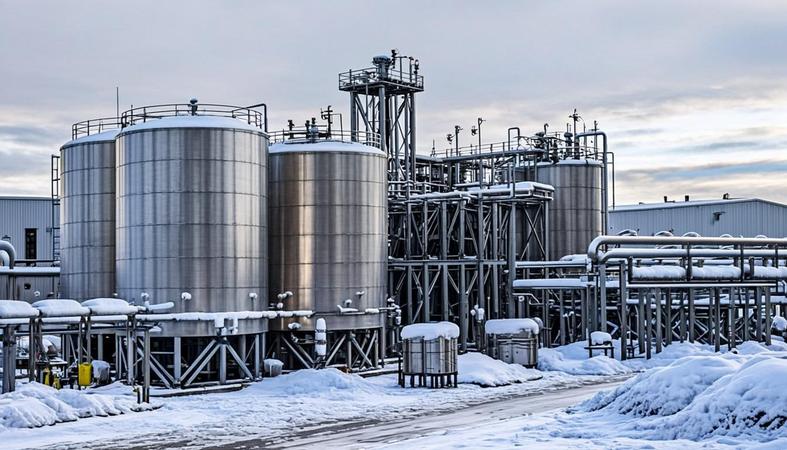
Importer Names
Below is a comprehensive list of prominent companies operating in Canada that are involved in denatured ethyl alcohol import, distribution, and industrial utilization. These companies represent a diverse range of industries including energy, petrochemicals, agricultural processing, and specialty chemicals. Each of these firms plays a vital role in maintaining Canada's industrial supply chain and ensuring the steady availability of denatured ethanol for downstream manufacturing processes.
- CHS Inc.
- Eco-Energy LLC
- Murex LLC
- Pennzoil Products Canada
- Valero Energy Inc.
These companies collectively account for a substantial portion of Canada's denatured ethyl alcohol consumption and are regularly engaged in international trade activities. Many of them maintain long-standing relationships with global ethanol producers and distributors, ensuring competitive pricing and reliable supply chains. The diversity of industries represented in this list highlights the widespread applicability of denatured ethanol across Canada's industrial landscape, from large-scale energy operations to specialized petrochemical manufacturing facilities. Their combined import volumes contribute significantly to meeting Canada's total industrial alcohol demand, which continues to grow as new applications for bio-based solvents and green chemicals emerge.
Canada's Denatured Ethyl Alcohol Market and Regulatory Framework
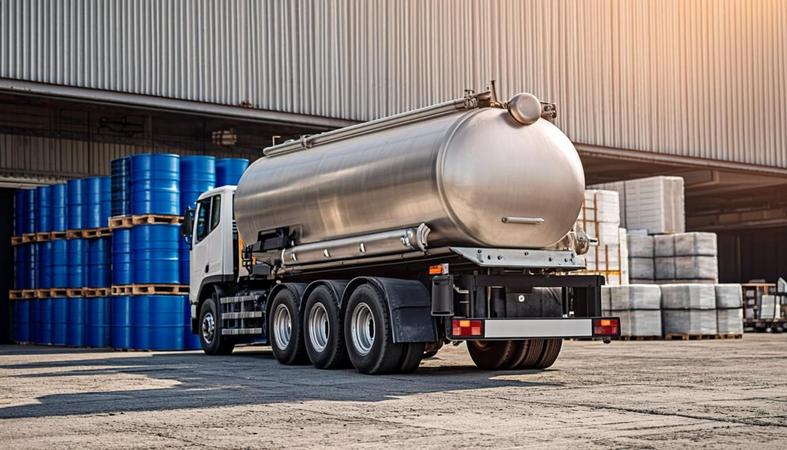
Canada's denatured ethyl alcohol market operates within one of the most comprehensive regulatory frameworks in the world, designed to balance the economic benefits of tax-free industrial alcohol with the need to prevent diversion for human consumption. The Excise Act and its associated regulations define multiple categories of specially denatured alcohol, each with specific formulations tailored to particular industrial applications. For example, SDA Formula 1 contains denatonium benzoate as a bittering agent and is commonly used in laboratory and pharmaceutical applications, while SDA Formula 2B contains ethyl acetate and is preferred for printing and coating applications. Understanding these regulatory distinctions is essential for importers seeking to navigate the Canadian market effectively.
The Canada Revenue Agency (CRA) plays a central role in administering the denatured alcohol program, issuing permits to manufacturers, blenders, and distributors who handle these products. Importers of denatured ethyl alcohol must obtain appropriate permits and maintain detailed records of all transactions, including quantities received, denaturant formulations, and end-use certifications. This regulatory oversight ensures compliance with both Canadian law and international trade agreements, while also providing a transparent mechanism for tracking the flow of denatured alcohol through the supply chain. The permit system also facilitates enforcement actions against any attempts to re-nature denatured alcohol for illicit purposes, protecting both public health and tax revenues.
Provincial regulations add another layer of complexity to the Canadian denatured ethanol market. Each province maintains its own environmental and workplace safety regulations that may impose additional requirements on the storage, handling, and transportation of denatured alcohol. For instance, Ontario's Occupational Health and Safety Act and Alberta's Occupational Health and Safety Code both contain specific provisions for flammable liquids storage that affect how denatured ethanol importers and distributors operate their facilities. Additionally, provincial liquor boards retain jurisdiction over alcohol-related matters, creating potential overlaps with federal excise regulations that importers must carefully navigate. Despite these complexities, the well-established regulatory framework provides clarity and consistency for businesses operating in the Canadian denatured ethanol market.
Industrial Applications of Denatured Ethyl Alcohol in Canadian Sectors
Denatured ethyl alcohol finds extensive applications across numerous Canadian industrial sectors, reflecting its versatility as a solvent, fuel additive, and chemical intermediate. One of the largest consuming sectors is the printing and publishing industry, where denatured ethanol serves as a primary solvent in flexographic and gravure inks. Companies such as CHS Inc. supply denatured ethanol to printing operations across Canada, where it is valued for its fast evaporation rate, excellent solvency power, and relatively low environmental impact compared to petroleum-based alternatives. The Canadian printing industry's commitment to adopting more sustainable practices has further increased demand for bio-based ethanol solvents, positioning denatured alcohol as a key component in green printing formulations.
The energy sector represents another major consumer of denatured ethyl alcohol in Canada, with applications ranging from fuel blending to industrial cleaning and equipment maintenance. Eco-Energy LLC and Valero Energy Inc. are among the prominent companies involved in distributing denatured ethanol for energy-related applications, including its use as a blending component in gasoline-ethanol fuel mixes. While most fuel-grade ethanol in Canada is undenatured, denatured ethanol finds important niche applications in industrial boiler fuel, marine fuel additives, and as a cleaning solvent for fuel system maintenance. The Canadian government's renewable fuel regulations, which mandate minimum ethanol content in gasoline, have indirectly supported the broader ethanol supply chain including denatured product markets by expanding storage, distribution, and handling infrastructure.
The pharmaceutical and personal care industries also constitute significant consumers of denatured ethyl alcohol in Canada. Murex LLC and other specialty chemical distributors supply pharmaceutical-grade denatured ethanol to manufacturers of hand sanitizers, antiseptic solutions, topical preparations, and various cosmetic products. The COVID-19 pandemic dramatically increased demand for denatured ethanol in hand sanitizer production, highlighting the strategic importance of maintaining reliable import supply chains for this essential industrial chemical. Beyond pharmaceuticals, denatured ethanol is widely used in the manufacture of paints, coatings, adhesives, and cleaning products, where Pennzoil Products Canada and similar companies serve as key distribution partners. The versatility of denatured ethyl alcohol across these diverse applications underscores its importance as a foundational industrial chemical in the Canadian economy.
Frequently Asked Questions About Denatured Ethyl Alcohol Importers in Canada
What is denatured ethyl alcohol and how is it different from regular ethanol?
Denatured ethyl alcohol is ethanol that has been treated with chemical additives called denaturants to make it unfit for human consumption. Common denaturants include methanol, isopropanol, methyl ethyl ketone, and denatonium benzoate. The primary difference from regular ethanol is that denatured alcohol is exempt from beverage alcohol excise taxes, making it significantly more affordable for industrial applications. The denaturants also impart a bitter taste and unpleasant odor that discourage ingestion. Different denaturing formulas are specified by regulatory agencies for various industrial uses, with each formula designed to prevent misuse while maintaining the chemical properties needed for specific applications.
What are the main uses of denatured ethyl alcohol in Canada?
In Canada, denatured ethyl alcohol is used across a wide range of industries. The primary applications include printing inks and solvents, pharmaceutical manufacturing, personal care products, hand sanitizer production, paints and coatings, adhesives, industrial cleaning agents, fuel additives, and laboratory reagents. The printing industry is one of the largest consumers, using denatured ethanol in flexographic and gravure ink formulations. The pharmaceutical sector uses it as a solvent and antiseptic ingredient, while the personal care industry incorporates it into perfumes, colognes, hair care products, and cosmetic formulations.
Which companies are the largest importers of denatured ethyl alcohol in Canada?
The largest importers and distributors of denatured ethyl alcohol in Canada include CHS Inc., which supplies ethanol products to agricultural and industrial markets; Eco-Energy LLC, a leading biofuels and renewable chemicals company; Murex LLC, specializing in specialty chemical distribution; Pennzoil Products Canada, which handles industrial solvents and lubricants; and Valero Energy Inc., one of North America's largest petroleum refiners and ethanol distributors. These companies maintain extensive distribution networks and supply relationships with both domestic and international ethanol producers.
What regulations govern denatured ethyl alcohol imports into Canada?
Denatured ethyl alcohol imports into Canada are primarily regulated by the Canada Revenue Agency (CRA) under the Excise Act. Importers must obtain appropriate permits and comply with specific denaturant formulation requirements. The Canadian Food Inspection Agency (CFIA) and Health Canada provide additional oversight for denatured alcohol used in food-contact, pharmaceutical, and personal care applications. Provincial regulations also apply to storage, handling, and transportation. All imported denatured ethanol must meet the specifications outlined in the Excise Act regulations, and importers are required to maintain detailed transaction records for audit purposes.
Where does Canada source its denatured ethyl alcohol imports from?
Canada sources denatured ethyl alcohol from several international suppliers. The United States is the primary source, benefiting from proximity, massive domestic ethanol production capacity, and the favorable trade terms established under CUSMA. Brazil is another significant supplier, leveraging its large sugarcane-based ethanol industry to provide competitively priced product. Smaller volumes also arrive from European producers, particularly from countries with surplus industrial alcohol capacity. Canadian ports in Vancouver, Montreal, and Halifax handle seaborne shipments, while overland imports from the United States move through numerous border crossing points via rail and truck transport.
How is denatured ethyl alcohol transported and stored in Canada?
Denatured ethyl alcohol is transported in Canada using multiple modes including tanker trucks, rail tank cars, ISO tank containers, and marine vessels. Road transport is the most common method for domestic distribution, with specialized tanker trucks equipped with pressure-relief systems and grounding provisions to prevent static discharge. Storage facilities typically feature stainless steel or carbon steel tanks with nitrogen blanketing to prevent moisture absorption and degradation. All storage and handling operations must comply with Transportation of Dangerous Goods (TDG) regulations, Workplace Hazardous Materials Information System (WHMIS) requirements, and applicable provincial fire safety codes. Temperature monitoring and leak detection systems are standard features of modern denatured ethanol storage installations.
What are the SDA (Specially Denatured Alcohol) formulas available in Canada?
Canada recognizes multiple SDA formulas, each designed for specific industrial applications. The most commonly used formulas include those containing denatonium benzoate (bittering agent), isopropyl alcohol, methyl ethyl ketone, and ethyl acetate in various combinations. Each formula is coded and regulated under the Excise Act, with specific permitted denaturant types and concentrations. Importers must ensure that the denatured alcohol they bring into Canada conforms to one of the approved formulations, and the denaturant type and concentration must be clearly documented on shipping documents and product labels. The CRA provides detailed guidance on approved SDA formulas through its official publications and permit application processes.
How has the COVID-19 pandemic affected denatured ethyl alcohol demand in Canada?
The COVID-19 pandemic created an unprecedented surge in demand for denatured ethyl alcohol in Canada, primarily driven by the massive increase in hand sanitizer production. Health Canada issued temporary guidance allowing the use of certain denatured ethanol formulations in hand sanitizer products to address critical supply shortages during the height of the pandemic. This regulatory flexibility, combined with increased consumer and institutional demand for sanitization products, significantly boosted import volumes for denatured ethanol throughout 2020 and 2021. While demand has normalized since then, the pandemic highlighted the strategic importance of maintaining diversified and resilient supply chains for this essential industrial chemical.
What quality standards apply to denatured ethyl alcohol in Canada?
Denatured ethyl alcohol imported into Canada must meet quality standards established under the Excise Act regulations as well as industry specifications such as those published by the American Society for Testing and Materials (ASTM). Key quality parameters include ethanol purity (typically 95% or higher by volume), denaturant concentration within specified ranges, water content limits, and the absence of impurities that could affect performance in intended applications. For pharmaceutical and personal care uses, additional purity requirements may apply under Health Canada's Good Manufacturing Practices (GMP) guidelines. Importers should request certificates of analysis from suppliers and conduct periodic quality verification testing to ensure ongoing compliance with applicable standards.
How can international suppliers connect with Canadian denatured ethanol importers?
International suppliers seeking to enter the Canadian denatured ethyl alcohol market can connect with potential buyers through several channels. Industry trade shows such as the Canadian Chemical Conference and Exhibition, Biofuels International Conference, and CPMA (Canadian Paint and Coatings Association) events provide excellent networking opportunities. Online B2B platforms like TurkExim specialize in connecting international suppliers with Canadian importers. The Canadian Association of Petroleum Producers (CAPP) and the Chemical Industry Association of Canada (CIAC) also maintain member directories that can help identify potential partners. Establishing relationships with licensed Canadian importers and distributors is the most effective approach for international suppliers looking to enter this regulated market.
Related Importer Directories on TurkExim
Explore more importer and exporter directories on TurkExim related to denatured ethyl alcohol, industrial alcohols, and chemical products:
- Turkey Denatured Ethyl Alcohol Importers List
- UK Undenatured Ethyl Alcohol Importers
- Spain Undenatured Ethyl Alcohol Importers
- Moldova Ethyl Alcohol Importers
- Türkiye Methanol Importers
- Turkey Methyl Alcohol Importers
- Canada Ethyl Alcohol (Ethanol) Manufacturers
- Organic Chemicals Importers and Buyers in Turkey
- Türkiye Chemical Wholesalers and Importers
- Importers by HS Section IV — Food Products, Beverages, Spirits
Yorumlar - Yorum Yaz