


ETHYL(ETHANOL) ALCOHOL | IMPORTERS | TÜRKİYE
Summary: Turkey Denatured Ethyl Alcohol Importers
Turkey represents a significant and growing market for denatured ethyl alcohol (ethanol) imports, driven by the country's expanding industrial base, pharmaceutical manufacturing sector, cosmetics industry, and chemical processing needs. Denatured ethyl alcohol, which has been treated with additives to make it unfit for human consumption while retaining its chemical properties for industrial applications, is a critical raw material across multiple sectors in the Turkish economy. The Turkish government regulates the import, distribution, and use of denatured alcohol through strict licensing requirements and quality control standards administered by the Tobacco and Alcohol Market Regulatory Authority (TAPDK).
This comprehensive guide provides detailed information about Turkey's denatured ethyl alcohol import market, including key importing companies, regulatory framework, trade statistics, industrial applications, and practical guidance for international suppliers seeking to enter this lucrative market. Whether you are an ethanol producer, trading company, or logistics provider, understanding the dynamics of the Turkish denatured alcohol import market is essential for establishing successful commercial partnerships.
Table of Contents
Overview of Turkey's Denatured Ethyl Alcohol Import Market
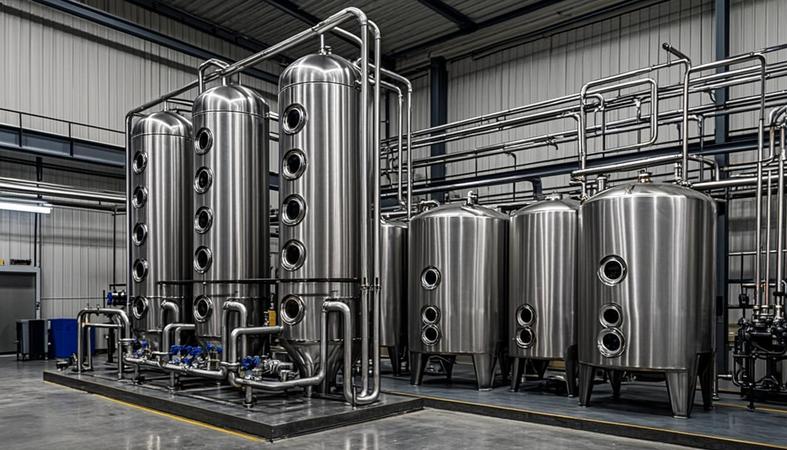
Turkey's denatured ethyl alcohol import market has experienced steady growth over the past decade, reflecting the country's industrialization and the expanding applications of ethanol in various manufacturing processes. Denatured alcohol, also known as methylated spirits or denatured ethanol, is ethyl alcohol that has been rendered unfit for drinking by the addition of denaturants such as methanol, isopropyl alcohol, methyl ethyl ketone, or other approved substances. This denaturation process allows the alcohol to be sold without the excise taxes that apply to potable alcohol, making it significantly more cost-effective for industrial applications.
The Turkish market for denatured ethyl alcohol is supplied through a combination of domestic production and imports. While Turkey has its own ethanol production capacity, primarily derived from agricultural feedstocks such as sugar beet molasses and grain-based fermentation, the growing demand from industrial users frequently exceeds domestic supply capabilities. This supply-demand gap creates significant import opportunities for international ethanol producers and trading companies. Major source countries for Turkey's denatured alcohol imports include European Union member states, particularly France, Germany, and the Netherlands, as well as Brazil, which is one of the world's largest ethanol producers from sugarcane.
The regulatory environment for denatured alcohol imports in Turkey is governed by multiple government agencies. The Tobacco and Alcohol Market Regulatory Authority (TAPDK) is the primary regulatory body responsible for licensing importers, distributors, and retailers of ethyl alcohol and alcoholic products. Importers must obtain specific licenses and permits from TAPDK before they can legally import and distribute denatured ethyl alcohol in Turkey. Additionally, the Turkish Customs and Trade Ministry oversees tariff classifications and import duties, while the Ministry of Health sets quality standards for alcohol used in pharmaceutical and cosmetic applications.
Key Turkish importing companies in the denatured ethyl alcohol sector include firms operating across cosmetics manufacturing, chemical distribution, pharmaceutical production, and industrial cleaning supplies. Notable importers such as Adnan Akat Kozmetik San. ve Dış.Tic.Ltd.Şti., Akatlar Kozmetik Sanayi Dış Tic. Ltd. Şti., and Alkokim Alkol Kozm. San. Tic. Ltd. Şti. represent the cosmetics-focused segment of the market. These companies source denatured alcohol for use in perfume formulations, cologne production, hand sanitizers, skin care products, and hair care formulations. The diversity of importers reflects the broad industrial demand for denatured ethanol across the Turkish economy.
Trade data indicates that Turkey's denatured ethyl alcohol imports are classified under specific HS (Harmonized System) codes, primarily HS 2207.20.00 covering denatured ethyl alcohol of 80% volume or higher. Import volumes have been trending upward, driven by increased demand from the pharmaceutical sector for hand sanitizer production (particularly following global health events), growth in the cosmetics industry, and expanding use of ethanol as a biofuel additive and solvent in industrial applications. The average import prices vary depending on the purity grade, denaturant type, and origin country, with pharmaceutical-grade denatured alcohol commanding premium pricing compared to industrial-grade products.
Key Industries and Applications Driving Denatured Alcohol Demand in Turkey
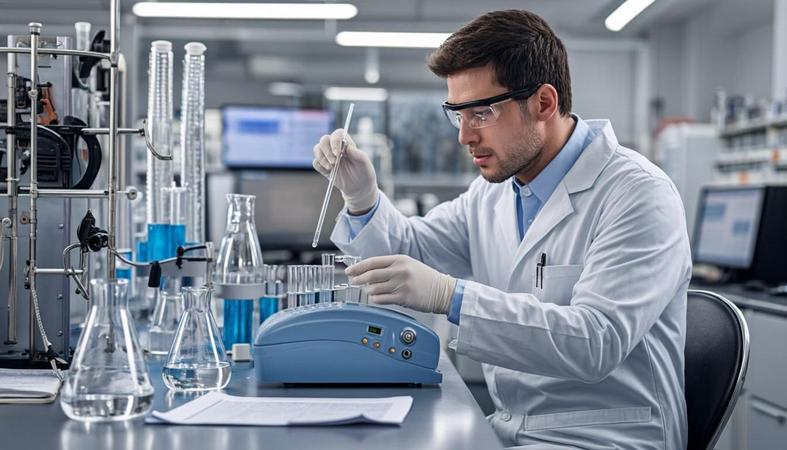
The demand for denatured ethyl alcohol in Turkey is driven by several key industries, each with specific quality requirements and application profiles. Understanding these demand drivers is essential for international suppliers to tailor their product offerings and marketing strategies to the needs of the Turkish market.
Cosmetics and Personal Care Industry
The cosmetics and personal care industry represents one of the largest consumers of denatured ethyl alcohol in Turkey. Turkish cosmetic manufacturers use denatured ethanol extensively as a solvent in perfume and cologne formulations, where it serves as the carrier for fragrant compounds and enables rapid evaporation after application. Additionally, denatured alcohol is a key ingredient in aftershave lotions, toners, astringents, hair sprays, and setting lotions. The Turkish cosmetics market has been growing at a healthy rate, supported by domestic consumption, tourism-related demand, and increasing export orientation of Turkish cosmetic brands to Middle Eastern and European markets. Companies such as Adnan Akat Kozmetik and Akatlar Kozmetik are prominent players sourcing denatured alcohol for these applications.
Pharmaceutical and Healthcare Sector
The pharmaceutical industry is another major consumer of denatured ethyl alcohol in Turkey. Pharmaceutical-grade denatured ethanol is used as a solvent in drug formulation, a disinfectant and sterilizing agent in pharmaceutical manufacturing facilities, and as an excipient in various liquid medicinal products. The COVID-19 pandemic significantly increased demand for denatured alcohol in the production of hand sanitizers and surface disinfectants, with Turkish manufacturers scaling up production to meet both domestic needs and export demand. Even post-pandemic, the heightened awareness of hygiene practices has sustained elevated demand levels for alcohol-based sanitization products, creating a lasting impact on the denatured alcohol import market.
Chemical and Industrial Applications
Denatured ethyl alcohol serves as an important solvent and chemical intermediate across Turkey's industrial sector. In the paint and coatings industry, ethanol is used as a solvent for resins, dyes, and ink formulations. The printing industry relies on denatured alcohol for cleaning printing presses and as a component of printing inks. In the electronics manufacturing sector, isopropyl-based denatured alcohol is widely used for cleaning circuit boards and electronic components. The automotive industry uses denatured alcohol in the production of antifreeze formulations and as a cleaning solvent for precision components. Additionally, Turkey's growing biofuels sector incorporates ethanol as a blending component in gasoline, creating another significant demand channel for imported denatured alcohol.
Cleaning and Sanitation Products
The cleaning and sanitation products industry is a substantial consumer of denatured ethyl alcohol in Turkey. Industrial-strength cleaners, glass cleaners, multi-surface disinfectants, and specialty cleaning formulations all incorporate denatured ethanol for its effective solvent and antimicrobial properties. The hospitality sector, including hotels, restaurants, and institutional food service operations, generates consistent demand for alcohol-based cleaning products. Turkish manufacturers of these products source denatured alcohol in bulk quantities, with import requirements varying based on the specific denaturant formulations permitted under Turkish regulations and the purity grades required for different cleaning applications.
Frequently Asked Questions (FAQ)
1. What is denatured ethyl alcohol?
Denatured ethyl alcohol, also known as denatured ethanol or methylated spirits, is ethyl alcohol that has been treated with chemical additives called denaturants to make it unfit for human consumption. Common denaturants include methanol, isopropyl alcohol, methyl ethyl ketone, and denatonium benzoate. Despite being unfit for drinking, denatured alcohol retains the chemical properties of ethanol, making it suitable for industrial, pharmaceutical, cosmetic, and cleaning applications at a significantly lower cost than potable alcohol.
2. What is the HS code for denatured ethyl alcohol imports to Turkey?
Denatured ethyl alcohol imported into Turkey is primarily classified under HS Code 2207.20.00, which covers ethyl alcohol and denatured ethyl alcohol of 80% volume or higher. Other related HS codes may apply depending on the specific alcohol concentration, denaturant type, and intended use. Importers should verify the correct tariff classification with Turkish Customs authorities before shipping to ensure compliance with import regulations and tariff schedules.
3. Which Turkish companies import denatured ethyl alcohol?
Key Turkish importers of denatured ethyl alcohol include Adnan Akat Kozmetik San. ve Dış.Tic.Ltd.Şti., Akatlar Kozmetik Sanayi Dış Tic. Ltd. Şti., Alkokim Alkol Kozm. San. Tic. Ltd. Şti., and numerous other companies operating in cosmetics manufacturing, pharmaceutical production, chemical distribution, and industrial cleaning supplies. These companies import denatured alcohol for use in product formulations including perfumes, colognes, hand sanitizers, pharmaceutical excipients, cleaning products, and industrial solvents.
4. What licenses are required to import denatured alcohol into Turkey?
Importing denatured ethyl alcohol into Turkey requires obtaining licenses and permits from the Tobacco and Alcohol Market Regulatory Authority (TAPDK). Importers must hold a valid TAPDK importer license, which involves meeting specific requirements regarding storage facilities, record-keeping systems, and compliance with safety regulations. Additionally, importers must comply with customs clearance procedures administered by the Turkish Ministry of Trade and may need additional approvals from the Ministry of Health for pharmaceutical-grade alcohol. The licensing process typically takes several weeks to complete.
5. Which countries export denatured alcohol to Turkey?
Turkey imports denatured ethyl alcohol from several major producing countries. The primary source countries include European Union member states such as France, Germany, and the Netherlands, which supply high-purity pharmaceutical and cosmetic-grade ethanol. Brazil, as the world's largest sugarcane-based ethanol producer, is also a significant supplier to the Turkish market. Other supplying countries include the United Kingdom, Italy, Ukraine, and various Eastern European nations with established ethanol production capacity. The choice of source country often depends on the required purity grade, denaturant specifications, and pricing competitiveness.
6. What are the main uses of denatured ethyl alcohol in Turkey?
Denatured ethyl alcohol in Turkey is used across multiple industries. The cosmetics sector uses it as a solvent in perfumes, colognes, and personal care products. The pharmaceutical industry uses it for drug formulation, sanitizers, and disinfectants. Industrial applications include paint and coating solvents, printing ink formulations, electronics cleaning, automotive antifreeze, and biofuel blending. The cleaning products industry uses denatured alcohol in glass cleaners, multi-surface disinfectants, and industrial-strength cleaning formulations.
7. What is the regulatory authority for alcohol imports in Turkey?
The Tobacco and Alcohol Market Regulatory Authority (TAPDK) is the primary regulatory body responsible for overseeing the import, production, distribution, and sale of ethyl alcohol and alcoholic products in Turkey. TAPDK issues import licenses, monitors compliance with regulations, and enforces quality and safety standards. Importers must obtain TAPDK approval and maintain detailed records of all alcohol transactions. Additional oversight is provided by the Turkish Ministry of Trade for customs matters and the Ministry of Health for pharmaceutical-grade products.
8. How can international suppliers enter the Turkish denatured alcohol market?
International suppliers seeking to enter the Turkish denatured alcohol market should first identify and establish relationships with licensed Turkish importers who hold valid TAPDK permits. It is advisable to provide comprehensive product documentation including certificates of analysis, material safety data sheets (MSDS), and denaturant specifications. Suppliers should ensure their products comply with Turkish quality standards and the specific denaturant formulations approved by TAPDK. Attending Turkish trade fairs such as the Istanbul Chemical Industry Expo and engaging with industry associations can also facilitate market entry and business development.
Similar Company Listings
Explore related importer directories and trade data on TurkExim:
Yorumlar - Yorum Yaz