


ITALIAN FOOD | IMPORTERS | ALBANIA
Executive Summary
Italy stands as Albania's single largest trading partner and the dominant source of food and wine imports, with bilateral trade reaching $2.06 billion in 2025. Albanian consumers maintain deep cultural affinity for Italian products, from Barilla pasta and extra virgin olive oil to premium Chianti and Prosecco wines. Under the EU-Albania Stabilisation and Association Agreement, most Italian food products enter Albania at 0% preferential customs duty, making the market highly accessible for Italian exporters and Albanian importers alike. Wine imports alone reached 6.5 million liters in 2025, with Italy commanding an overwhelming $18.6 million market share. Major Italian supermarket chains such as Conad Albania (~44 stores) and SPAR (66 stores) operate directly in the country, alongside domestic chains like Big Market (180+ stores) that stock extensive Italian product ranges. This page provides a comprehensive guide to the Italian food and wine import market in Albania, covering regulations, distribution channels, key companies, and growth opportunities for businesses looking to enter or expand within this dynamic market.
📑 Table of Contents
The Complete Market Guide to Italian Food Importers in Albania (2025)
A comprehensive analysis of the Italian food import landscape, distribution networks, regulatory framework, and strategic opportunities for businesses operating in Albania's rapidly growing food market.
1. Introduction: Italy-Albania Food Trade Relationship
The food trade relationship between Italy and Albania represents one of the most dynamic bilateral commercial partnerships in the Western Balkans. Italy is not merely Albania's largest trading partner; it is the cultural and gastronomic reference point for millions of Albanian consumers. With approximately 500,000 Albanian diaspora members living in Italy and the Italian language widely understood across Albania, the demand for authentic Italian food products has never been stronger. In 2025, Italy exported a total of $2.06 billion worth of goods to Albania, with food and beverage products constituting a significant and growing share of that trade volume. The Albanian retail trade sector experienced a 6.0% increase in volume during Q1 2024, while food, beverage, and tobacco turnover rose by 5.3% year-over-year, signaling sustained consumer demand and expanding market opportunities for Italian food importers and distributors operating in the Albanian market.
Albania's total merchandise imports reached $8.6 billion in 2023, with food import dependence continuing to increase throughout 2025 according to INSTAT data. The European Union as a whole accounts for 71.5% of Albania's agricultural and food trade, and Italy commands the largest share within that EU bloc. Albanian consumers have shown a strong and consistent preference for Italian food products, from everyday staples like pasta and olive oil to premium goods such as cured meats, aged cheeses, truffle products, and fine wines. This preference is deeply rooted in cultural proximity, geographic accessibility via the Adriatic Sea corridor, and decades of exposure to Italian television, media, and tourism. The Albanian market, while relatively small at 2.8 million people, is characterized by a young, increasingly urbanized population that is digitally engaged and receptive to international food trends, making it an attractive entry point for Italian food exporters targeting the broader Southeast European market.
2. Key Imported Italian Food Products in Albania
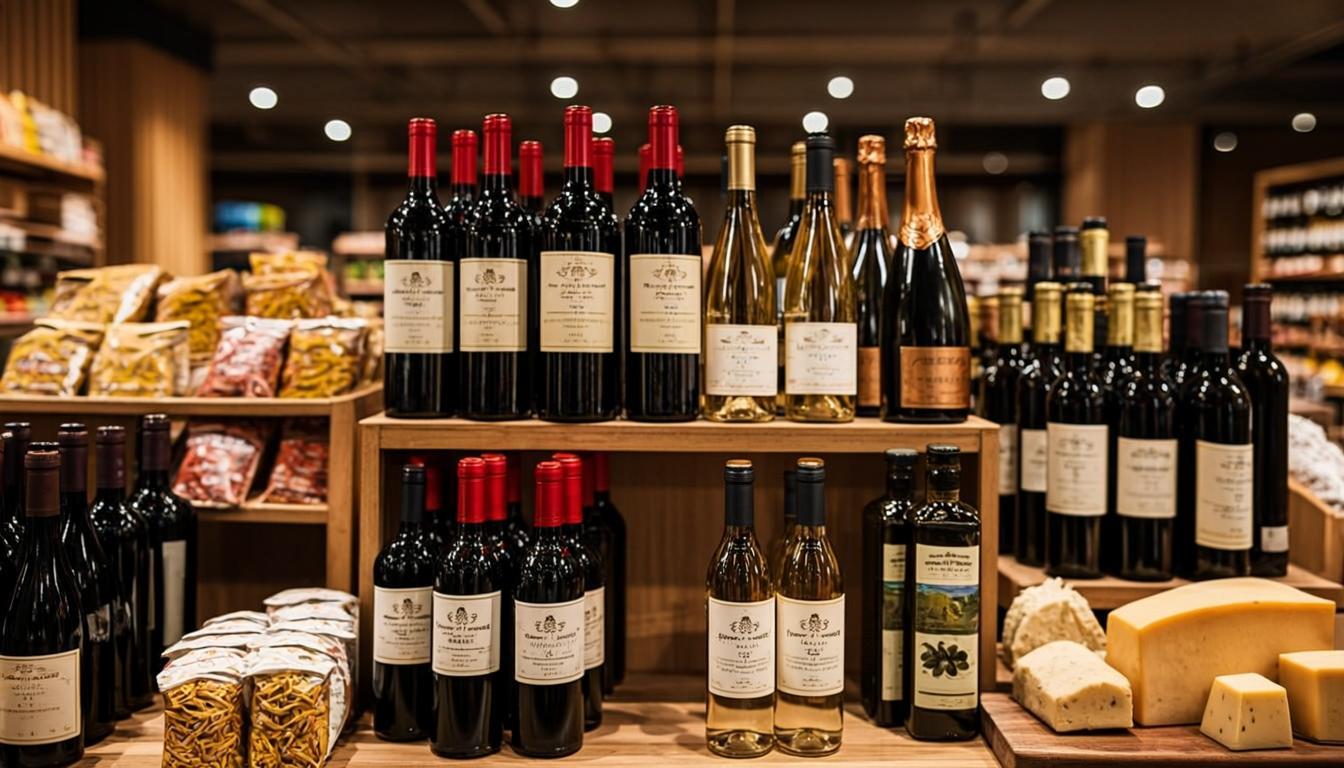
The range of Italian food products imported into Albania is remarkably diverse, reflecting both the breadth of Italian culinary tradition and the evolving preferences of Albanian consumers. Pasta stands as the single most ubiquitous Italian food product on Albanian supermarket shelves, with brands like Barilla, De Cecco, and private-label Italian pasta available in virtually every retail outlet from major chains to neighborhood corner stores. Olive oil is described as "by far the most essential ingredient for Albanian cuisine," and Italian extra virgin olive oil imports remain consistently strong, serving both the household cooking market and the growing restaurant and foodservice sector. Albanian cooks use olive oil extensively for frying, sautéing, and salad dressing, making it a non-negotiable pantry staple in virtually every Albanian kitchen.
Italian wine represents another major import category, with Albania importing $18.6 million worth of Italian wine in 2024 alone, dominating the wine import market by a significant margin over France ($3.58 million) and all other competing countries. Beyond wine, Albanian importers bring in substantial volumes of Italian cheese (Parmesan, mozzarella, gorgonzola), cured meats (prosciutto, salami, mortadella), tomato products and sauces (passata, pesto, canned tomatoes from companies like Mazza Alimentari), coffee (Lavazza and Illy are the dominant brands in Albanian cafés and retail), confectionery (Ferrero products including Nutella are widely available), and mineral water (San Pellegrino and Acqua Panna are popular in the HORECA channel). Emerging product categories include Italian truffle products, premium balsamic vinegars, and specialty flour types used by Albanian bakeries and pizzerias.
3. Italian Brands and Supermarket Chains in Albania
The Italian food retail presence in Albania is exceptionally strong, with several major Italian brands and supermarket chains operating directly in the market. Conad Albania, operated as a franchise or license arrangement, has established approximately 44 stores across the country and is widely described as "the most trusted supermarket chain in Albania," bringing the authentic taste of Italy directly to Albanian consumers. In late 2024 and early 2025, Conad Albania launched an e-commerce platform powered by ReStore technology, offering multilingual support (Italian, English, Albanian) and multi-currency functionality with home delivery throughout Albania — a significant development that signals the growing digitalization of food retail in the Albanian market.
The SPAR brand, operated by Albania's Balfin Group through its Almark subsidiary, maintains 66 stores across the country and carries extensive ranges of Italian products alongside international and domestic brands. Prior to 2016, Balfin Group operated Carrefour stores in Albania before converting all 17 locations to the SPAR format, demonstrating the group's deep experience in international food retail management. Big Market, Albania's largest domestic supermarket chain with 180+ stores and an estimated annual turnover of approximately €100 million, stocks a comprehensive selection of Italian food and wine products across all categories. The chain operates under multiple banners including Big Market and Tirana Cash & Carry, the latter serving the wholesale and foodservice segment. Smaller chains like Eco Market (19 stores, operated by AIBA Company since 1993) and Extra Market (10 stores) also contribute to the distribution network for Italian food products throughout Albania.
4. Import Regulations and Customs Framework
The regulatory framework governing Italian food imports into Albania is shaped primarily by the Stabilisation and Association Agreement (SAA) between Albania and the European Union, which provides preferential trade terms that significantly reduce import costs for EU-origin products. Under the SAA, most Italian food products enter Albania at 0% preferential customs duty, provided the importer presents a valid EUR.1 movement certificate or origin declaration on the commercial invoice. Without this certificate, the standard Most Favored Nation (MFN) duty rates of 0-15% apply depending on the specific product category and HS code classification. This preferential access makes Albania one of the most cost-effective markets in the Western Balkans for Italian food exporters, as the duty advantage directly translates into competitive retail pricing and higher profit margins for importers and distributors.
Beyond customs duties, all imports valued above €150 are subject to 20% Albanian Value Added Tax (VAT), calculated on the CIF value (Cost + Insurance + Freight) plus any applicable customs duty. VAT-registered businesses can reclaim this import VAT as an input tax credit, while non-registered importers bear it as an irrecoverable cost. Food importers must also obtain a license from Albania's National Food Authority (AKU) for importing food and agricultural products, and all commercial import declarations must be filed electronically through the ASYCUDA World system administered by the General Directorate of Customs. Licensed customs agents (agjent doganor) typically handle the declaration process on behalf of importers. The required documentation includes a commercial invoice with proper HS codes, packing list, bill of lading, EUR.1 certificate, and the importer's Albanian NIPT (tax identification) number. Albania's customs code is progressively aligning with EU standards as part of the country's EU accession process, which is expected to further simplify and harmonize import procedures in the coming years.
5. Distribution Channels: Retail, HORECA, and Wholesale
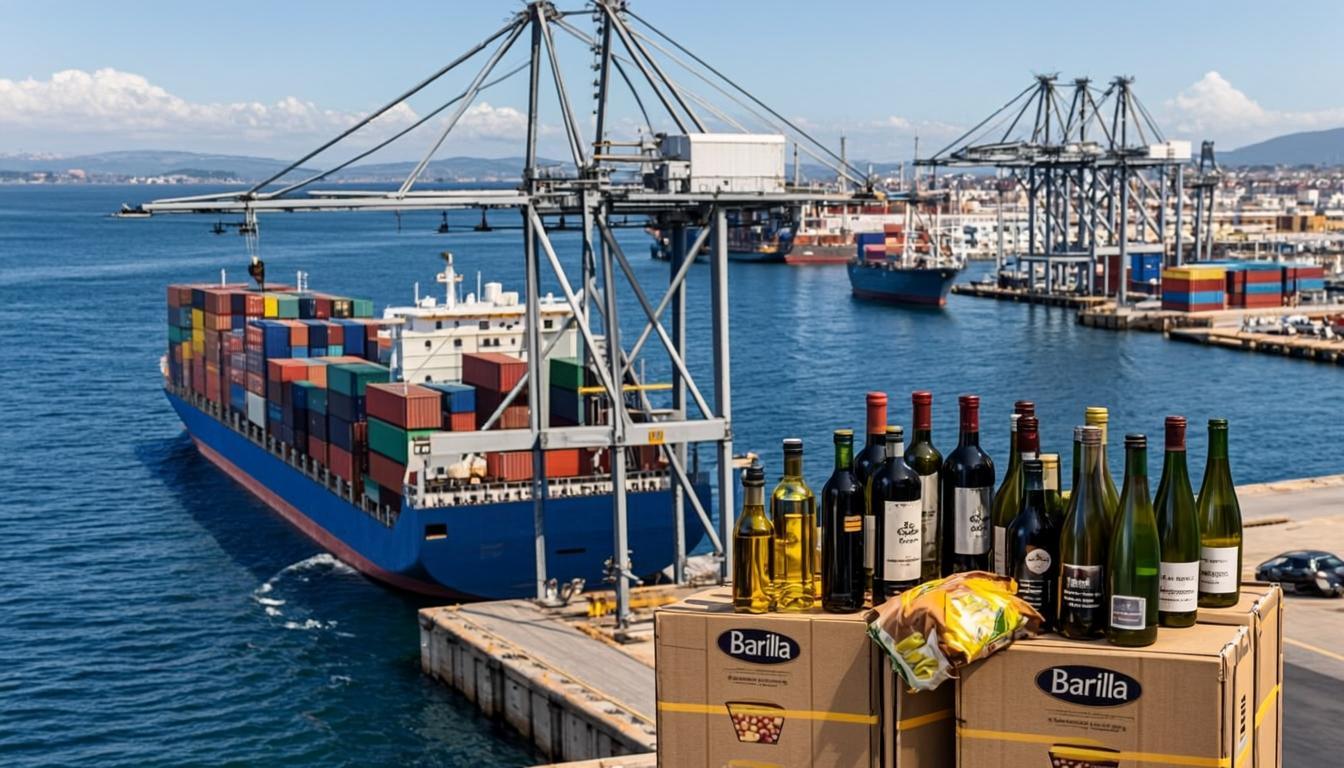
Italian food products reach Albanian consumers through three primary distribution channels: organized retail, the HORECA (Hotels, Restaurants, Cafés) sector, and wholesale/cash-and-carry operations. The organized retail sector is dominated by five major supermarket chains that collectively operate over 320 stores across the country. Big Market leads with 180+ locations and approximately €100 million in annual turnover, followed by SPAR with 66 stores, Conad Albania with 44 stores, Eco Market with 19 stores, and Extra Market with 10 stores. These chains serve as the primary point of sale for Italian consumer packaged goods, and their combined purchasing power gives them significant leverage in negotiating with Italian food suppliers and distributors.
The HORECA sector represents a critically important channel for premium Italian food and wine products, driven by Albania's rapidly growing tourism industry and the deep popularity of Italian cuisine among Albanian diners. Italian restaurants are among the most popular dining establishments in Albania's major cities of Tirana, Durrës, Vlora, Saranda, and Ksamil, and tourist-oriented hotels and resorts increasingly feature Italian wine lists and Italian-inspired menus. Companies like INItaly Ristorazione operate in Albania, bringing over 30 years of Italian restaurant experience to the Balkan market and supplying Italian food products and equipment to the HORECA sector. The wholesale channel is served by operations like Tirana Cash and Carry (part of the Big Market group) and independent wholesalers who distribute Italian products to smaller towns, independent retailers, and foodservice operators throughout Albania's territory.
6. Key Import Companies and Distributors
Several notable companies play pivotal roles in the importation and distribution of Italian food and wine products within Albania. Conad Albania Sh.p.k. serves as both a retailer and direct importer, leveraging its Italian cooperative ownership to source products directly from Italian producers and manufacturers. The Balfin Group / Almark organization, as the operator of SPAR Albania, manages one of the largest food distribution networks in the country with extensive logistics infrastructure and cold chain capabilities. Big Market, as Albania's largest domestic retailer, maintains significant Italian product import volumes across all major food and beverage categories. Mazza Alimentari operates as a specialized distributor of high-quality Italian food products, including tomatoes, olive oils, vinegars, pasta, olives, and truffle products, maintaining an active social media presence and serving both retail and foodservice customers. AIBA Company, founded in 1993, operates the Eco Market chain and has decades of experience in food retail and import. The ItalianFoodNews.com directory maintains a dedicated listing of Italian food wholesalers and importers operating in Albania, reflecting the active and growing network of businesses facilitating Italian food trade in this market.
7. Challenges and Strategic Opportunities
The Albanian market presents both notable challenges and compelling opportunities for businesses involved in Italian food importation. Among the key challenges are logistics constraints, particularly related to port infrastructure capacity at Durrës and Vlora, despite the well-established maritime routes connecting Italian ports (Bari, Brindisi, Ancona) to Albania across the Adriatic Sea. Regulatory complexity remains a concern, as evidenced by the 2026 Italian wine excise duty dispute that required a bilateral technical agreement to resolve. Market informality, documented by the Albanian Competition Authority and the OECD, creates challenges for supply chain transparency and fair competition. Albanian consumers, despite their strong preference for Italian products, remain price-sensitive, and local Albanian producers compete aggressively on price in categories like olive oil, cheese, and wine.
However, the opportunity landscape is substantial and growing. Albania's EU accession process promises further trade liberalization and regulatory harmonization that will reduce barriers and increase market efficiency. The tourism boom — with record arrivals in 2024 and 2025 — creates strong and sustained HORECA demand, particularly in coastal destinations like Saranda and Ksamil. Albania's growing middle class and rising disposable incomes are driving demand for premium imported food and wine products. The launch of e-commerce platforms by major retailers signals the beginning of digital grocery retail development, offering first-mover advantages to innovative importers. Perhaps most significantly, Albania's strategic geographic position offers the potential to serve as a gateway market for the broader Southeast European region, including Kosovo, North Macedonia, Montenegro, and Serbia, where demand for Italian food products is similarly strong and growing.
Italian Wine Imports to Albania — Market Data, Regulations & Growth Opportunities
An in-depth analysis of the Albanian wine import market, examining Italy's dominant market position, excise duty regulations, consumer trends, distribution networks, and the strategic outlook for wine exporters targeting this emerging Southeast European market.
1. Albania's Growing Wine Market and Italian Dominance
The Albanian wine market is undergoing a significant transformation, driven by rising consumer sophistication, expanding tourism, and the growing influence of wine culture through international exposure and social media. Total wine imports into Albania reached 6,548,000 liters in 2025, according to Gazeta Express customs data, representing a steady increase over the preceding three years. Italy commands an overwhelming dominant position in this market, supplying wine worth $18.6 million in 2024 — more than five times the value of the second-largest supplier, France, which contributed $3.58 million in the same period. Other wine-exporting countries to Albania include North Macedonia ($655,000), Denmark ($519,000), and Serbia ($422,000), all of which represent niche presences compared to Italy's market-leading position.
Albanian wine consumption per capita has been rising since 2014 at approximately 5.9% annually, though the country ranked only #50 globally in per capita wine consumption as of 2019 data from NationMaster. Academic research published in AgBioForum confirms that Albania's wine imports are dominated by EU-origin wines, specifically Italian, and that imported wine quantities have been increasing steadily while domestic wine exports remain negligible. The IPARD Wine Sector Study notes that Albania's wine consumption "lags behind both European and global averages," suggesting substantial room for growth as the market develops. Albania's young demographic profile, increasing urbanization, and growing exposure to international wine culture through tourism, social media, and diaspora connections position the country as one of the most promising emerging wine markets in the Balkans for Italian wine exporters.
2. Wine Import Statistics and Market Share Analysis
A detailed analysis of Albanian wine import data reveals Italy's commanding market position across all segments. According to UN COMTRADE data accessed via Trading Economics, Albania imported $17.08 million worth of wine and grape must from Italy in 2024, while OEC data reports the broader Italian wine export figure at $18.6 million for the same year. This discrepancy likely reflects different HS code classifications (wine alone versus wine plus grape must). In Q2 2025, Italy exported a total of €382 million in goods to Albania across all categories, with wine constituting a meaningful single-product category within that bilateral trade flow. The overall Italy-Albania bilateral trade showed a cyclical dip of 12.3% from Q2 2024 to Q2 2025 (from €436M to €382M), but this is considered a cyclical fluctuation rather than a structural decline in the trade relationship.
France maintains a distant second position in the Albanian wine import market at $3.58 million in 2024, primarily supplying premium wines to the upscale restaurant and hotel segment. The remaining wine import sources — North Macedonia, Denmark, Serbia, and others — collectively represent less than $2 million in annual wine exports to Albania. Italy's market dominance is attributable to several reinforcing factors: geographic proximity and established maritime logistics across the Adriatic, deep cultural affinity and brand recognition, competitive pricing enabled by the SAA preferential duty framework, the presence of Italian supermarket chains (Conad and SPAR) that actively promote Italian wines, and the general Albanian consumer preference for Italian products across all food and beverage categories. This dominance creates both an opportunity and a challenge: while Italian wine exporters face limited competition from other origins, maintaining market leadership requires continued investment in brand building, distribution, and consumer engagement.
3. Excise Duty Regulations and the 2026 Albania-Italy Agreement
Wine imports into Albania are subject to a differentiated excise duty structure that distinguishes between wine producers based on their annual production volume. Under current Albanian law, wine producers with annual production of 10,000 hectoliters or less face an excise duty rate of 31.4 lekë per liter, while producers exceeding this threshold are subject to a higher rate. This differentiation is significant because most Italian wine producers whose products reach the Albanian market fall into the small-to-medium production category, making the 31.4 lekë/liter rate the relevant benchmark for Italian wine imports. In addition to excise duty, all wine imports are subject to the standard 20% Albanian VAT, calculated on the CIF value plus excise duty.
A significant regulatory development occurred in May 2026, when Albania and Italy reached a technical agreement to resolve a dispute over the application of excise duties on Italian wine imports. The dispute arose in early 2026 when Italian wine importers faced increased excise duty charges due to the non-application of the differentiated excise duty provision based on producer capacity. The Italian Customs Agency accepted Albania's proposal for a differentiated excise framework, resolving the issue and restoring the favorable duty treatment for wines from smaller Italian producers. This resolution, reported by Albanian Daily News and RTSH, was welcomed by Italian wine exporters and Albanian importers alike, as it removed a significant trade barrier and provided regulatory certainty for future wine import operations. Small Albanian producers of wine and rakia also benefit from provisions allowing them to keep certain quantities without paying excise duty, though this exemption limit is expected to be reduced in 2026 as Albania continues to align its excise regime with EU standards.
4. Albanian Wine Consumption Trends and Preferences
Albanian wine consumption is experiencing a gradual but consistent upward trajectory, driven by multiple converging factors including rising disposable incomes, expanding tourism, increasing urbanization, and growing exposure to international wine culture. Wine consumption per capita has increased at an annual rate of approximately 5.9% since 2014, according to IPARD data, signaling a sustained shift in consumer preferences away from traditional rakia (fruit brandy) and toward wine. However, Albania's per capita wine consumption still lags behind both European and global averages, indicating significant untapped potential for market growth. The Albanian population is young — with a median age significantly below the EU average — and increasingly exposed to international food and wine trends through social media platforms, travel experiences, and the influence of the large Albanian diaspora community in Italy.
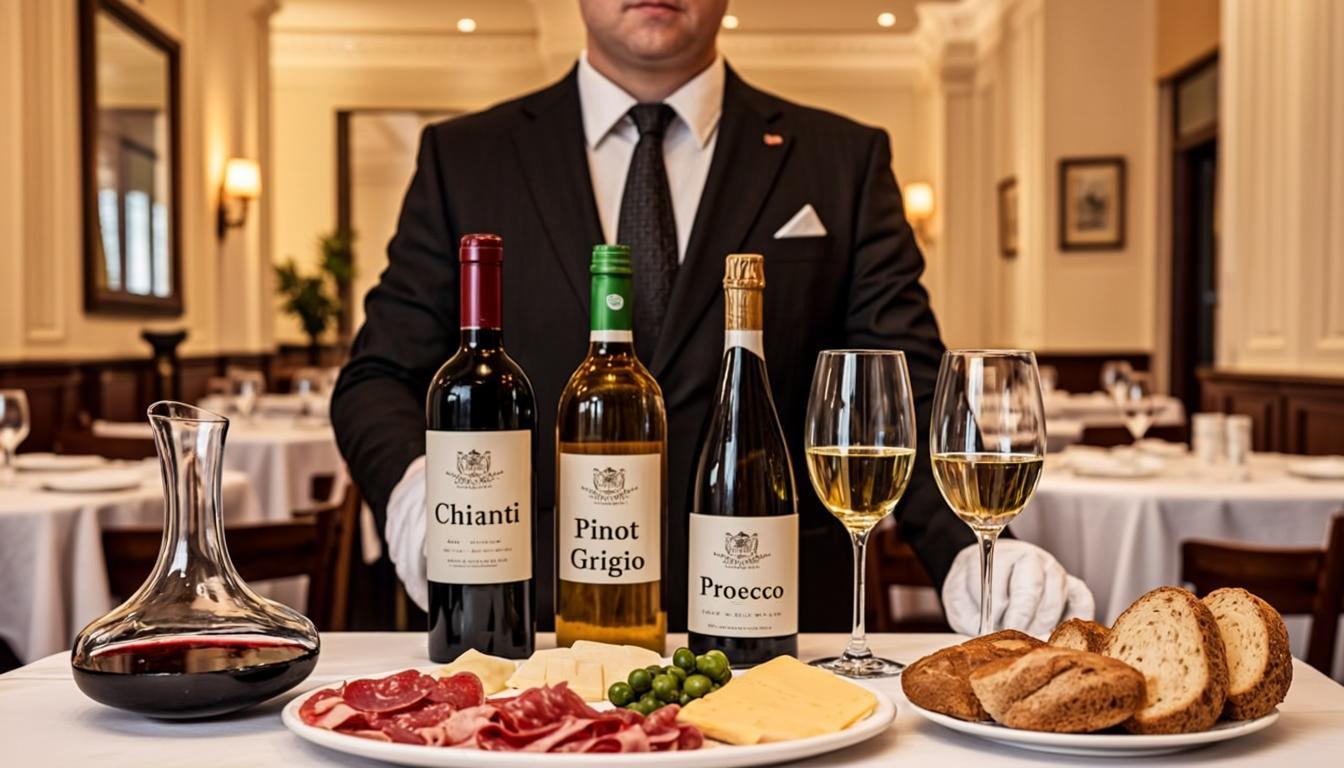
In terms of wine type preferences, Italian red wines such as Chianti, Montepulciano d'Abruzzo, and Sangiovese are popular among Albanian consumers who appreciate the food-friendly character and medium body of these wines that pair well with both Italian and Albanian cuisine. Italian white wines, particularly Pinot Grigio, have gained significant market share as Albanian consumers develop more diverse wine preferences, while sparkling wines — especially Prosecco — have seen explosive growth in the HORECA channel, driven by tourism and celebratory consumption occasions. The premium wine segment is nascent but developing, with growing interest in higher-quality Italian denominations (DOC, DOCG) among affluent urban consumers and the hospitality sector. The wine-by-the-glass concept is gaining traction in Albanian restaurants and wine bars, particularly in Tirana, providing Italian wine producers with opportunities to introduce consumers to a wider range of Italian wine styles and regions.
5. Wine Distribution Channels in Albania
Italian wine reaches Albanian consumers through an established multi-channel distribution network that spans organized retail, on-trade (HORECA), and emerging direct-to-consumer channels. The organized retail sector serves as the primary distribution channel for volume wine sales, with all five major supermarket chains — Big Market (180+ stores), SPAR (66 stores), Conad Albania (44 stores), Eco Market (19 stores), and Extra Market (10 stores) — maintaining dedicated Italian wine sections. Conad Albania, as an Italian-owned chain, naturally emphasizes Italian wines in its assortment and leverages its brand heritage to promote Italian wine culture among Albanian consumers. These retail chains typically stock Italian wines across price points, from value-oriented table wines to premium DOC and DOCG selections.
The HORECA channel is particularly important for premium Italian wine sales, driven by Albania's tourism boom and the popularity of Italian cuisine in Albanian restaurants. Major tourist destinations including Tirana, Saranda, Ksamil, Vlora, and Durrës feature restaurants and hotels with curated Italian wine lists that include Chianti, Barolo, Prosecco, and other iconic Italian denominations. Specialized wine shops are beginning to emerge in Tirana and other major cities, catering to the growing segment of knowledgeable wine consumers. The wholesale channel, served by Tirana Cash and Carry and independent distributors, ensures Italian wine availability in smaller towns and rural areas. The nascent e-commerce channel, led by Conad Albania's online platform and food delivery services like Wolt, represents the newest distribution frontier for Italian wine in the Albanian market, offering convenience and expanding access to consumers outside traditional retail catchment areas.
6. Growth Opportunities and Market Outlook
The Albanian wine market presents several compelling growth opportunities for Italian wine exporters and local importers. The tourism sector continues to expand at double-digit rates, with Italian tourists among the top visitor nationalities, creating natural demand for Italian wine in hotels, restaurants, and resort facilities. Albania's EU accession process will progressively eliminate remaining trade barriers and further harmonize customs and excise procedures, reducing administrative complexity and costs for wine importers. The premiumization trend in Albanian consumer spending is creating demand for higher-quality Italian wines, particularly DOCG denominations and premium Prosecco, as aspirational consumers seek to upgrade their wine choices.
The e-commerce opportunity is particularly significant, as Albania's high mobile internet penetration and young, digitally engaged population create favorable conditions for online wine sales. Conad Albania's e-commerce launch in 2024/2025 provides an established platform for Italian wine producers to reach Albanian consumers directly. Social media marketing through Instagram and Facebook — already used effectively by Italian food distributors like Mazza Alimentari in the Albanian market — offers cost-effective brand building and consumer engagement opportunities for Italian wine brands. Albania's strategic location as a gateway to Kosovo, North Macedonia, Montenegro, and Serbia means that businesses establishing strong distribution networks in Albania can potentially expand to serve the broader Southeast European market of over 18 million consumers. With wine consumption per capita still significantly below European averages and growing at nearly 6% annually, the Albanian wine market represents a compelling long-term growth opportunity for Italian wine exporters seeking to diversify their international market portfolio beyond saturated Western European markets.
Frequently Asked Questions (FAQ)
What is the largest source of food imports for Albania?
Italy is Albania's largest source of food imports by a significant margin. Under the Stabilisation and Association Agreement (SAA) between Albania and the European Union, most Italian food products enter Albania at preferential duty rates of 0%, making Italian goods highly competitive in terms of pricing. Greece ranks as the second-largest food import source for Albania, followed by other EU member states. The EU as a whole accounts for 71.5% of Albania's agricultural and food trade in both import and export directions, according to World Bank data.
How much wine does Albania import from Italy annually?
Albania imported $18.6 million worth of Italian wine in 2024, according to UN COMTRADE data. Total wine imports to Albania reached approximately 6.5 million liters in 2025, with Italian wine accounting for the largest share by both volume and value. Italy dominates the Albanian wine import market, supplying more than five times the value of the second-largest wine exporter, France, which contributed $3.58 million in the same period. This figure has been growing steadily over the past three consecutive years.
What Italian food brands are available in Albanian supermarkets?
Major Italian brands widely available in Albania include Barilla and De Cecco for pasta, Ferrero for confectionery (Nutella, Ferrero Rocher), Lavazza and Illy for coffee, and San Pellegrino and Acqua Panna for premium mineral water. Additionally, Italian supermarket chains Conad Albania (approximately 44 stores) and SPAR (66 stores) directly import and retail extensive ranges of Italian products under both national brands and their own private labels. Specialty Italian food brands reach Albania through distributors like Mazza Alimentari, which supplies tomatoes, olive oils, vinegars, pasta, olives, and truffle products.
What customs duties apply when importing Italian food products to Albania?
Under the EU-Albania Stabilisation and Association Agreement, most Italian (EU-origin) food products enter Albania at 0% preferential customs duty when accompanied by a valid EUR.1 movement certificate or origin declaration on the commercial invoice. Without this certificate, standard Most Favored Nation (MFN) duty rates of 0-15% apply depending on the product category and HS code. All imports valued above €150 are subject to 20% Albanian VAT calculated on CIF value plus any applicable customs duty. Food importers must also obtain a license from Albania's National Food Authority (AKU) and file declarations through the ASYCUDA World electronic customs system.
Which supermarket chains in Albania sell Italian food and wine?
All major Albanian supermarket chains carry Italian products. Conad Albania (Italian-owned, approximately 44 stores) specializes specifically in Italian products and brings the authentic taste of Italy to Albanian consumers. Big Market (180+ stores, Albania's largest chain), SPAR (66 stores, operated by Balfin Group/Almark), Eco Market (19 stores, operated by AIBA Company since 1993), and Extra Market (10 stores) all stock extensive ranges of Italian pasta, olive oil, wine, cheese, coffee, confectionery, and other products. Conad Albania also launched an e-commerce platform in 2024/2025 offering online ordering with home delivery.
Is the Albanian food import market growing?
Yes, the Albanian food import market is experiencing sustained growth. Albania's retail trade volumes rose 6.0% in Q1 2024 (excluding fuel), with food, beverages, and tobacco turnover increasing 5.3% year-over-year according to INSTAT data. Food import dependence increased further in 2025. Wine imports have been steadily increasing for three consecutive years, reaching 6.5 million liters in 2025. Albania's GDP growth of 3.4% in 2023, combined with an expanding tourism sector recording record arrivals, continues to drive import demand across all food and beverage categories.
What are the main challenges for Italian food importers operating in Albania?
Key challenges include regulatory complexity (evolving customs procedures, excise duty disputes like the 2026 Italian wine excise issue), port infrastructure constraints at Durrës and Vlora, market informality documented by the Albanian Competition Authority, competition from local Albanian producers who compete on price in categories like olive oil, cheese, and wine, competition from Greek and Turkish imports who also enjoy preferential trade access, currency volatility of the Albanian Lek, and Albania's relatively small population of approximately 2.8 million which limits market scale compared to larger European markets.
Can consumers buy Italian food and wine online in Albania?
Yes, online purchasing options for Italian food and wine in Albania are expanding. Conad Albania launched a comprehensive e-commerce platform in 2024/2025 offering home delivery throughout the country, with multilingual support in Italian, English, and Albanian. Food delivery applications like Wolt operate in major cities including Tirana, Saranda, Durrës, and Vlora. International Italian food e-commerce platforms such as Vico Food Box and e-Alifood also ship to Albania. However, online grocery shopping remains in its early stages in Albania, with most consumers still preferring in-store purchases, creating significant growth potential for the digital channel.
What types of Italian wine are most popular in Albania?
Italian red wines including Chianti, Montepulciano d'Abruzzo, and Sangiovese are popular for their food-friendly character that pairs well with both Italian and Albanian cuisine. Italian white wines, particularly Pinot Grigio, have gained significant market share among Albanian consumers developing diverse wine preferences. Sparkling wines, especially Prosecco, have seen explosive growth in the restaurant and hospitality channel driven by tourism and celebratory occasions. Italy dominates the imported wine market with over 70% share by value, with French wine (primarily Bordeaux and Champagne) serving the premium niche segment.
How does Albania's EU candidacy affect Italian food and wine imports?
As an EU candidate country, Albania is progressively aligning its customs code, food safety regulations, and trade procedures with EU standards. The Stabilisation and Association Agreement (SAA) already provides preferential trade terms for EU products, with most Italian food entering at 0% duty. Full EU accession would eliminate any remaining trade barriers, further harmonize regulatory requirements, and increase Italian food and wine exports to Albania. The ongoing accession process also brings EU pre-accession funding (IPARD) that supports modernization of food supply chains, improving logistics infrastructure and food safety standards that benefit importers and consumers alike.
Similar Companies & Importer Directories
Explore related importer directories, food and beverage trade data, and market intelligence resources on TurkExim:
Importers database for Bosnia and Herzegovina, Balkan region
Yorumlar - Yorum Yaz