


Humdinger Ltd - UK Dried Fruit Importers
Humdinger Ltd — United Kingdom Dried Fruit & Nut Importers
Company: Humdinger Ltd
Industry: Dried Fruit, Nut & Healthy Snack Processing & Import
Location: Hull, East Yorkshire, United Kingdom
Parent: Zertus Group (Hamburg, Germany) — est. 1826
Employees: 200+ across 3 facilities in East Yorkshire
Hashtags: #HumdingerLtd #UKDriedFruitImporters
Table of Contents
1. About Humdinger Ltd
Humdinger Ltd is a United Kingdom-based dried fruit, nut, and healthy snack processing and import company headquartered in Hull, East Yorkshire. The company was founded when a group of ambitious entrepreneurs decided to establish their own natural snack company and acquired a factory in Hull. Since those entrepreneurial beginnings, Humdinger has grown significantly and today employs over 200 people across three production facilities in East Yorkshire, making it one of the region’s notable food industry employers and a significant player in the UK dried fruit and nut import sector.
The company’s values center on what they describe as “great behaviours, actions and ways of working that help bring us all together.” This people-first philosophy underpins Humdinger’s operations across all three East Yorkshire sites. The company processes and packs products sourced from around the world, serving its own brands, major retail customers, selected branded license partners, and other important partners. This diversified business model—combining own-label production, private-label manufacturing for retailers, licensed brand partnerships, and contract packing—provides Humdinger with multiple revenue streams and resilience against market fluctuations in any single channel.
Humdinger’s vision is clearly articulated: to be the preferred UK partner for value-added healthy snacking, serving customers profitably. This strategic positioning at the intersection of “value-added” (processing, packaging, flavor innovation) and “healthy snacking” (aligning with the powerful consumer trend toward better-for-you food choices) places Humdinger in one of the food industry’s most attractive growth segments. The UK healthy snack market has grown at approximately 6-8% annually in recent years, driven by health awareness, snacking culture evolution, and regulatory pressures on high-sugar alternatives, creating a favourable tailwind for Humdinger’s business model.
2. Contact Information
Registered Address
Gothenburg Way
Sutton Fields Industrial Estate
Hull
East Yorkshire
HU7 0YG
United Kingdom
Communication
Telephone: +44 (0)1482 625790
Fax: +44 (0)1482 625791
Website: www.humdinger-foods.co.uk
SIC Code: 46390 — Non-specialised wholesale of food, beverages and tobacco
The Sutton Fields Industrial Estate location places Humdinger in Hull’s established industrial zone with excellent transport links. Hull’s position on the Humber estuary provides access to one of the UK’s major deep-water port complexes (Associated British Ports Hull), facilitating the import of bulk dried fruit and nut shipments from global origins. The A63/M62 motorway corridor connects Hull directly to the UK’s national road network, enabling efficient distribution to retail and wholesale customers across the country. This strategic logistics positioning—combining port proximity for inbound imports and motorway access for outbound distribution—is a significant competitive advantage for a dried fruit and nut importing operation.
3. Zertus Group — Parent Company
Humdinger Ltd is part of the Zertus Family, a Hamburg, Germany-based food group with a heritage dating back to 1826. The Zertus Group operates through 7 independent subsidiaries across more than 10 production facilities, employing over 2,000 people. As a leading producer and supplier of high-quality food products in Europe and beyond, Zertus provides Humdinger with significant strategic advantages including access to group-wide procurement networks, shared technical expertise, cross-market distribution capabilities, and the financial stability of a nearly 200-year-old family enterprise.
The Zertus Group’s portfolio spans multiple food categories including confectionery, snacks, baked goods, and healthy food products. Their subsidiary structure—with each of the 7 entities operating with a degree of independence while benefiting from group synergies—allows Humdinger to maintain the entrepreneurial agility and local market responsiveness of a standalone UK business, while leveraging the purchasing power, R&D capabilities, and continental market access of a major European food group. This hybrid model is particularly valuable in the dried fruit and nut import business, where global sourcing networks and supplier relationships developed at group level can provide preferential access to origin countries and competitive pricing.
The Zertus connection also opens pathways for Humdinger products into European markets through the group’s existing distribution infrastructure, potentially enabling UK-produced dried fruit and nut products to reach consumers in Germany, France, the Benelux countries, and beyond. For international dried fruit and nut exporters seeking a European entry point, the Humdinger-Zertus relationship offers an attractive proposition: supply Humdinger in the UK, and potentially gain access to the broader Zertus distribution network across the continent.
4. Processing Capabilities & Facilities
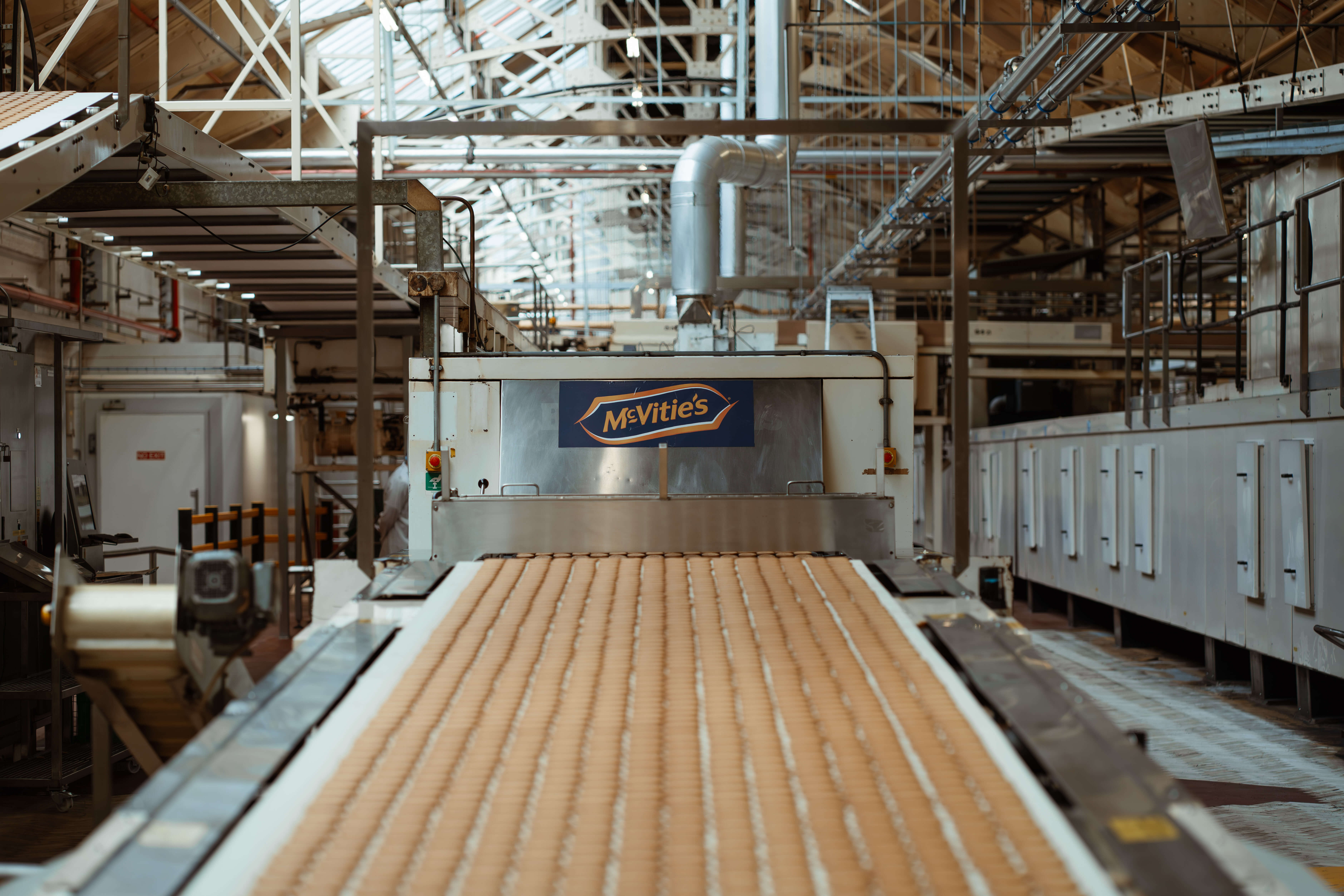
Humdinger operates three production facilities in East Yorkshire, collectively employing over 200 people. This multi-site operation provides both production capacity redundancy and the ability to specialize different facilities for different product categories or customer requirements. The Hull-based operations encompass the full range of dried fruit and nut processing activities: receiving and quality inspection of bulk imports, cleaning and sorting, roasting and flavoring, packaging (including flow-wrapping, vertical form-fill-seal, and manual packing for premium formats), and warehousing with both ambient and temperature-controlled storage.
The company’s processing capabilities include: Roasting — industrial-scale nut roasting with precise temperature control for consistent colour and flavour development; Flavouring — coating and seasoning lines for flavoured nuts (salted, honey roasted, smoked paprika, etc.) and dried fruit mixes; Packing — multiple formats from single-serve snack packs (25-50g) through sharing bags (150-400g) to bulk foodservice packs; Quality Control — in-house laboratory testing for moisture, aflatoxin, pesticide residues, and microbiological parameters.
As a company processing products for “own brands, major customers, selected branded licences and other important partners,” Humdinger must maintain certifications required by UK multiple retailers (Tesco, Sainsbury’s, Asda, Morrisons, etc.). These typically include BRC Global Standard for Food Safety (Grade A or B), SALSA (Safe and Local Supplier Approval) for smaller suppliers, and specific customer codes of practice. Humdinger’s position as a multi-channel processor means its quality systems must satisfy the most demanding customer requirements, providing assurance to all partners that products meet the highest UK food safety standards.
5. Product Range & Import Categories
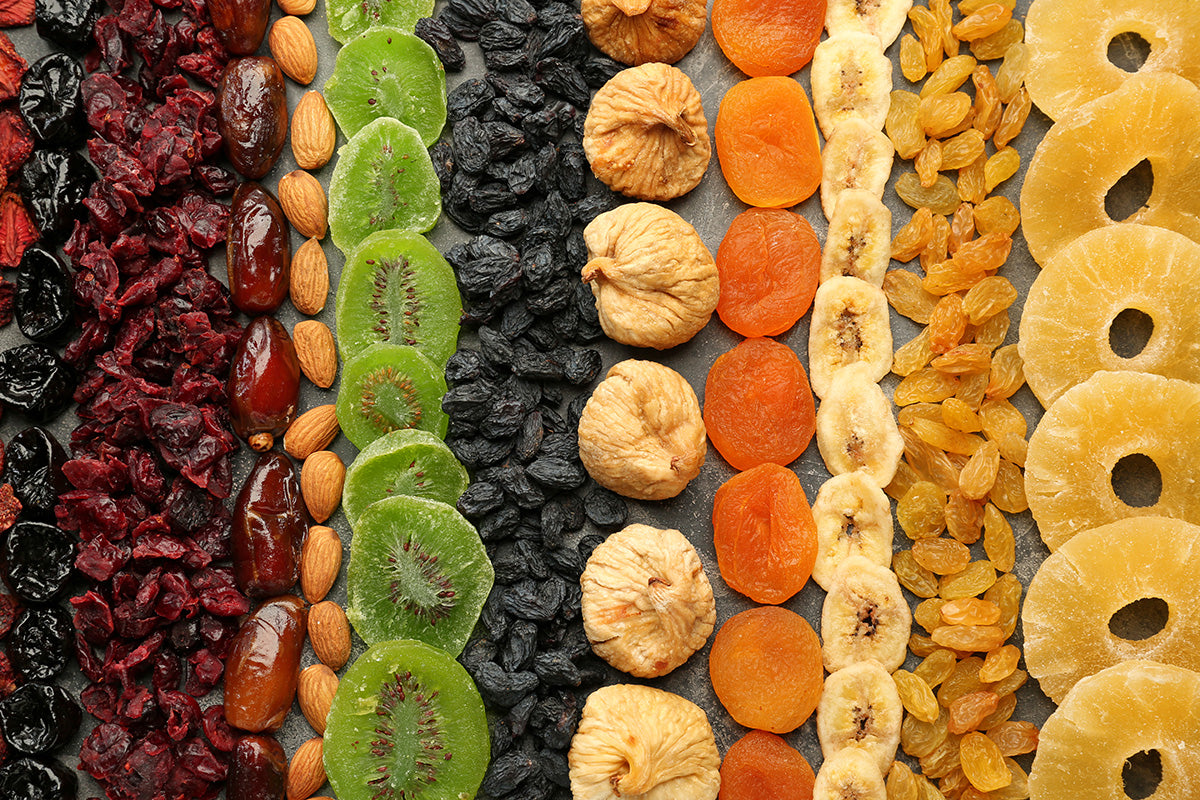
Humdinger’s product range spans the full spectrum of dried fruit, nut, and healthy snack categories. As a company that processes and packs products “from around the world,” its import requirements cover a diverse range of raw materials sourced from multiple continents. The following categories represent the primary import classes relevant to international dried fruit and nut exporters seeking to supply Humdinger.
For international suppliers, understanding Humdinger’s import categories is essential. The company’s diverse sourcing requirements mean opportunities exist for exporters across virtually every major dried fruit and nut producing region. Turkey features prominently as an origin for both dried vine fruit (sultanas, raisins, currants) and dried stone fruit (apricots, figs), as well as hazelnuts and sunflower seeds—making Turkish exporters particularly well-positioned as Humdinger suppliers. The USA is another key origin for almonds, walnuts, raisins, and prunes, while India and Vietnam dominate cashew sourcing.
6. UK Dried Fruit & Nut Market
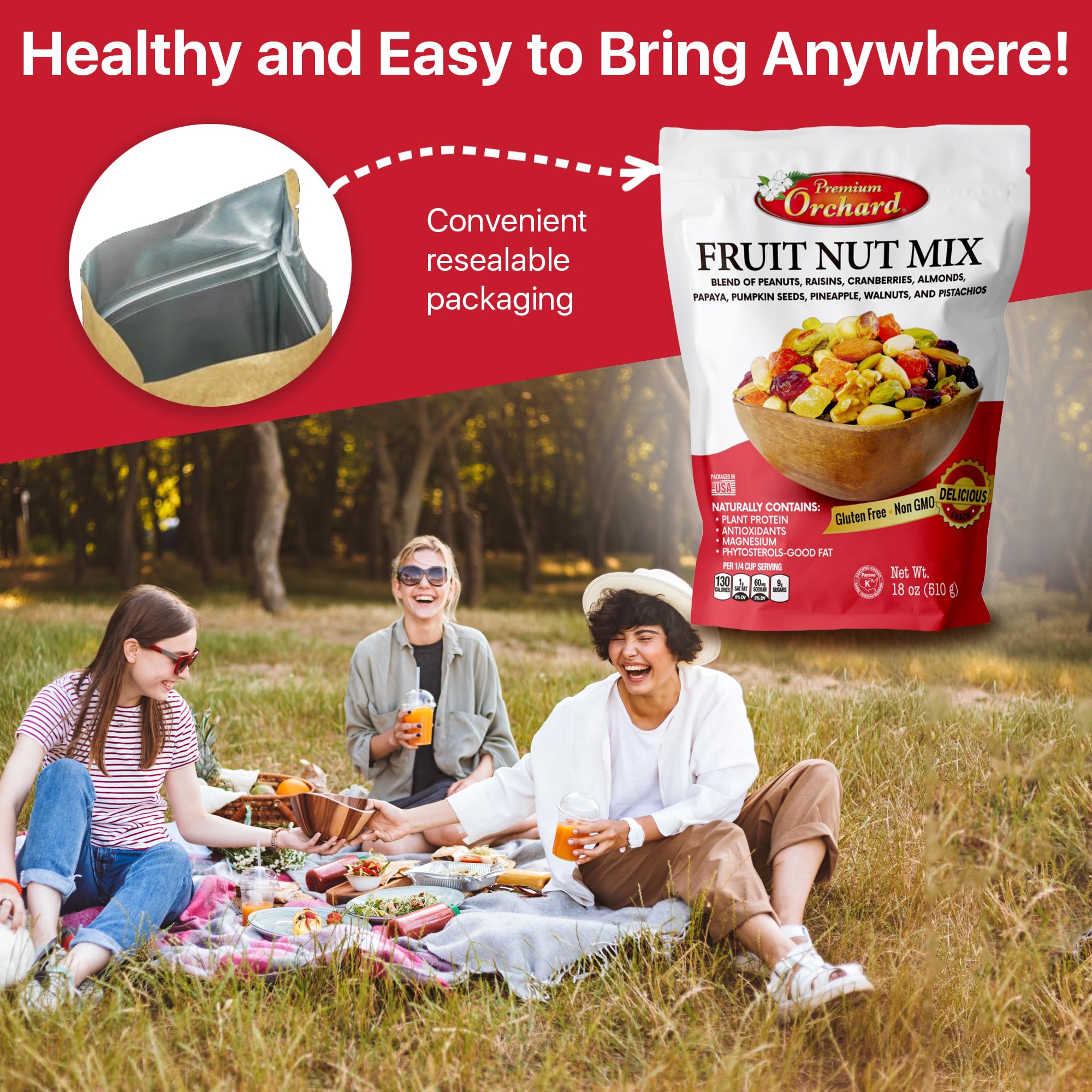
The United Kingdom is one of Europe’s largest markets for dried fruit, nuts, and healthy snacks. In 2023, the UK dried fruit and nut market was valued at approximately GBP 2.8 billion, with annual growth of 5-7% driven by the health and wellness trend, snacking culture evolution, and the rise of plant-based diets (which rely heavily on nuts and dried fruit as protein and nutrient sources). The UK imports over 70% of its dried fruit and nut requirements, as domestic production is limited to a small amount of hazelnuts (Kent cobnuts) and walnuts, creating substantial import demand.
Key market segments that Humdinger serves include: Retail — major multiple grocers (Tesco, Sainsbury’s, Asda, Morrisons, Waitrose, Aldi, Lidl) and convenience stores; Foodservice — hotels, restaurants, pubs, contract caterers, and institutional buyers; Industrial — bakery, confectionery, and cereal manufacturers who use dried fruit and nuts as ingredients; Export — leveraging the Zertus network for continental European distribution. The retail segment dominates, with own-label and branded packaged snacks accounting for the largest value share, while the industrial/ingredient segment drives the highest import volumes in bulk form.
The UK’s departure from the EU (Brexit) has introduced both challenges and opportunities for dried fruit and nut importers. On the challenge side, new customs documentation requirements and border checks have added administrative burden and occasional delays. On the opportunity side, the UK’s independent trade policy allows potential tariff reductions through new free trade agreements (e.g., CPTPP, UK-Turkey FTA negotiations) that could reduce import costs for dried fruit and nuts from key origin countries. Humdinger’s established import infrastructure and experience with customs procedures position it well to navigate the post-Brexit trade environment.
7. Supply Chain & Sourcing
Humdinger’s global sourcing network is one of its core competencies. As a company that “processes and packs products from around the world,” maintaining reliable, quality-assured supply chains across multiple continents is essential to the business. The company’s sourcing approach reflects the dried fruit and nut industry’s inherent global nature—different products have specific geographic origins where quality and price are optimized, and importers must manage a complex web of supplier relationships, seasonal availability patterns, and logistics routes.
Purchasing directly from producers in origin countries, often through Zertus group procurement. Ensures traceability, competitive pricing, and consistent quality. Common for high-volume items (Turkish sultanas, Californian almonds).
For commodities with volatile pricing (cashews, pistachios), Humdinger may use specialist dried fruit traders and brokers in London, Rotterdam, or Hamburg for spot market flexibility.
Dried fruit harvest seasons vary by product and origin (e.g., Turkish sultanas: Aug-Oct; Chilean raisins: Mar-May). Humdinger coordinates forward contracting and inventory management to ensure year-round supply.
All incoming materials undergo QC inspection: moisture analysis, aflatoxin screening (critical for nuts), pesticide residue testing, organoleptic assessment, and documentation verification against specifications.
For international suppliers seeking to establish a relationship with Humdinger, the typical onboarding process involves: (1) initial inquiry and product specification exchange, (2) sample submission and quality evaluation, (3) food safety documentation review (GFSI-benchmarked certification, HACCP, aflatoxin management plans), (4) commercial terms negotiation (pricing, payment terms, delivery schedules), and (5) trial order followed by regular supply if performance meets expectations. The Zertus group connection means that suppliers who perform well for Humdinger may be considered for supply to other group companies, amplifying the commercial opportunity.
8. Frequently Asked Questions
Yorumlar - Yorum Yaz