


NATCO Foods Ltd - Consignment Data
NATCO Foods Ltd - Consignment Data
NATCO Foods Ltd is a well-established British food wholesale company headquartered in Buckingham, England. Founded in 1968, the company has built over five decades of expertise in the importation and distribution of specialist food products, serving the growing demand for South Asian and ethnic food products across the United Kingdom. Operating under SIC code 46390, which covers the non-specialised wholesale of food, beverages, and tobacco, NATCO Foods occupies an important position in the UK's diverse food supply chain, bridging the gap between producers in the Indian subcontinent and consumers in the British market. This page presents comprehensive consignment and trade data for NATCO Foods Ltd, including detailed information on the company's supplier network, product categories, directors, and the broader context of UK food imports from South Asia.
Key Topics: NATCO Foods Ltd, consignment data, UK food importer, Buckingham food wholesaler, dried apricots import UK, spices import Britain, sesame oil import, wheat flour atta import, panela jaggery import, UK South Asian food distributor
- 1. About NATCO Foods Ltd
- 2. Supplier Network and Import Sources
- 3. Dried Apricots from Pakistan
- 4. Wheat Flour and Atta from India
- 5. Spices and Herbs from India
- 6. Panela (Jaggery) from India
- 7. Pure Sesame Oil from India
- 8. Company Directors and Management
- 9. UK-South Asia Food Trade Context
- 10. Frequently Asked Questions
About NATCO Foods Ltd
NATCO Foods Ltd was incorporated in 1968 in the historic market town of Buckingham, situated in the county of Buckinghamshire in south-central England. The company's founding coincided with a period of significant demographic change in the United Kingdom, as increased immigration from South Asia during the 1960s and 1970s created a growing demand for authentic food products from the Indian subcontinent. NATCO Foods was established to meet this demand, positioning itself as a specialist wholesaler capable of sourcing, importing, and distributing the diverse range of food products that Britain's expanding South Asian communities required.
Over more than five decades of operation, NATCO Foods has developed deep expertise in the complex logistics of international food trade, including navigating customs regulations, ensuring food safety compliance, managing cold chain and ambient temperature supply chains, and building lasting relationships with producers across multiple countries. The company's SIC code 46390 classification reflects its broad wholesale food operation, encompassing the non-specialised wholesale of food, beverages, and tobacco products. This classification positions NATCO Foods as a general food wholesaler rather than a specialist in any single product category, which aligns with its diverse import portfolio spanning dried fruits, flour, spices, sweeteners, and cooking oils.
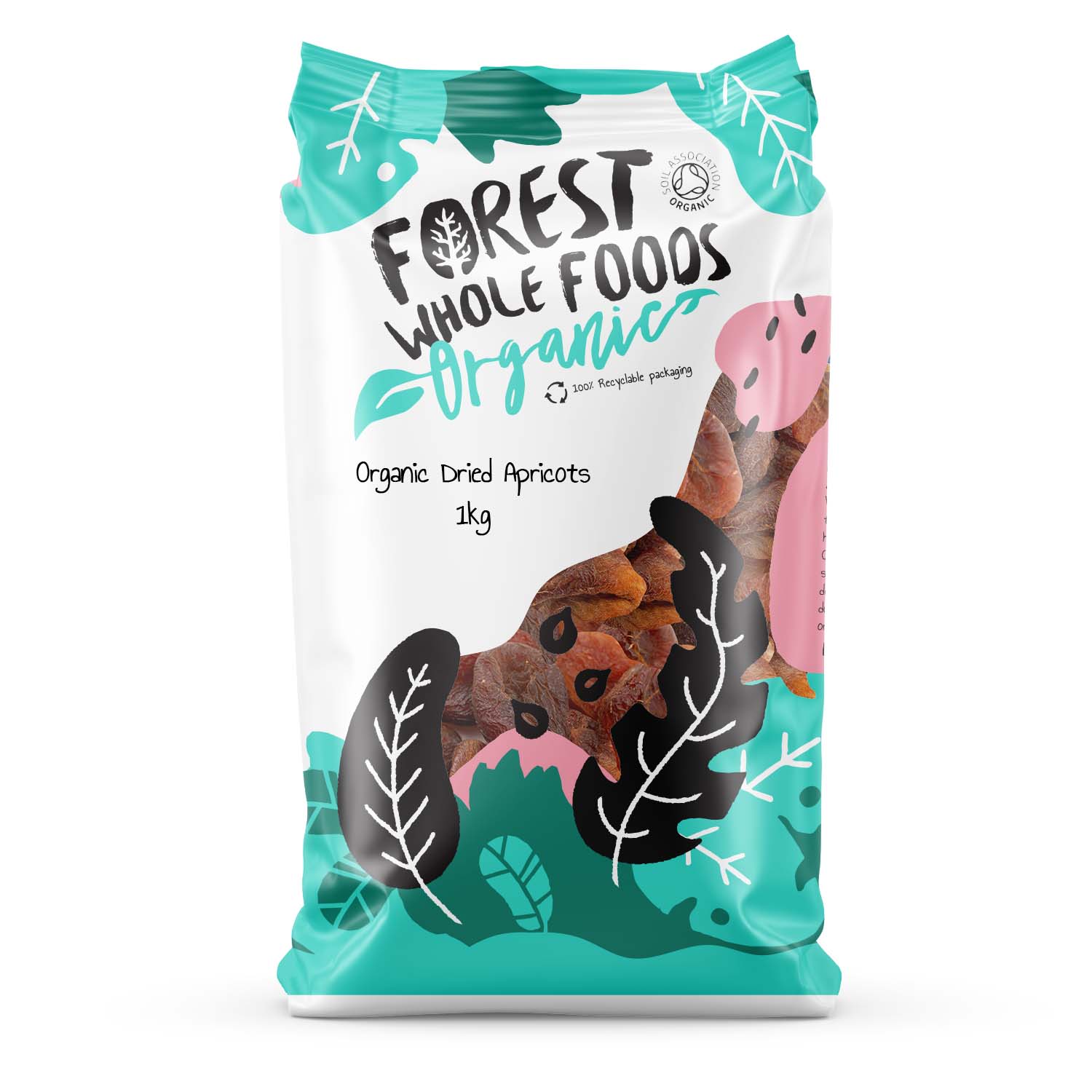
Premium dried apricots - a flagship import product for NATCO Foods Ltd from Pakistan's northern regions
The company's headquarters in Buckingham provides a strategic location for distributing food products across the United Kingdom. Situated in the heart of England, Buckingham offers excellent connectivity to major transport routes including the M1 motorway and the A43/A413 road network, facilitating efficient distribution to wholesale customers, independent retailers, and food service operators throughout the country. The town's proximity to both the Midlands and the South East, two of the UK's most densely populated regions with significant South Asian communities, positions NATCO Foods favourably to serve its target market.
NATCO Foods Ltd is currently developing its online presence, with its website at www.natcofoods.com indicating that an online store is under development. The company can be contacted directly at their Buckingham office by telephone on 01280 825430, or via email at info@natcofoods.com for general enquiries and sales@natcofoods.com for sales-related matters. The Pagarani family, which has been associated with the company's ownership and management, continues to play an active role in its governance and strategic direction, with multiple family members serving on the board of directors.
Supplier Network and Import Sources
NATCO Foods Ltd maintains a carefully curated network of five primary suppliers spanning two countries in the Indian subcontinent: Pakistan and India. This supplier network has been developed over many years and reflects the company's deep understanding of the source markets for South Asian food products. Each supplier has been selected based on their ability to consistently deliver products that meet the quality standards, regulatory requirements, and price expectations of the UK market. The following table provides a comprehensive overview of all five import sources, including the supplier name, country of origin, product category, and applicable HS (Harmonized System) code for customs classification.
| No | Supplier Name | Country | Product | HS Code |
|---|---|---|---|---|
| 1 | M. Manzoor & Co Pakistan Pvt Ltd | Pakistan | Dried Apricots | 0813.10 |
| 2 | Shree Bhagwati Flour & Foods Pvt Ltd | India | Wheat Flour (Atta) | 1101.00 |
| 3 | Sami Spices & Herbs Pvt Ltd | India | Spices & Herbs | 0901-0910 |
| 4 | Vivek Agro Products | India | Panela (Jaggery) | 1701.10 |
| 5 | Ashok Oil & Food Products | India | Pure Sesame Oil | 1515.50 |
The supplier network analysis reveals a clear geographic concentration, with four of the five suppliers located in India and one in Pakistan. This pattern is consistent with the broader structure of UK food imports from South Asia, where India dominates as the primary source country due to its vast agricultural production capacity, diverse agro-climatic zones, and well-established export infrastructure. Pakistan's role as a supplier is more specialised, focusing on products where it has a particular competitive advantage, such as dried apricots from the northern mountain regions. The product diversity across the supplier network is notable, covering five distinct product categories: dried fruits, cereal products, condiments, sweeteners, and edible oils. This diversification strategy reduces NATCO Foods' dependence on any single product line and enables the company to offer a comprehensive range of South Asian food essentials to its UK customer base.
Dried Apricots from Pakistan
One of NATCO Foods' most distinctive import relationships is with M. Manzoor & Co Pakistan Pvt Ltd, a Pakistani supplier specialising in dried apricots. Pakistan is one of the world's leading producers of dried apricots, and the northern regions of Hunza, Skardu, and the broader Gilgit-Baltistan territory are renowned for producing apricots of exceptional quality. The unique agro-climatic conditions of these mountain valleys, situated at elevations of 1,500 to 3,000 metres above sea level, produce apricots with intense sweetness, vibrant colour, and a distinctive flavour profile that distinguishes them from apricots grown in other regions of the world.
The dried apricots imported by NATCO Foods fall under HS code 0813.10, which covers "Apricots, dried" within the broader category of dried fruit (HS 0813). The drying process for apricots in Pakistan's northern regions follows traditional methods that have been practised for centuries. Apricots are harvested at peak ripeness during the summer months, typically from June through August, and then sun-dried in the clean, arid mountain air. Some apricots are also treated with sulphur dioxide (sulphured) to preserve their bright orange colour and extend their shelf life, while others are left unsulphured (natural) for customers who prefer a product without preservatives. Both types command strong demand in the UK market, where they are used in a variety of culinary applications including baking, confectionery, snack products, and traditional South Asian desserts and sweet dishes.
The UK's dried apricot market is substantial, with imports valued at approximately 40-50 million GBP annually. Pakistan competes with Turkey (the world's largest dried apricot producer), Uzbekistan, and the United States for market share in the UK. Pakistani apricots are particularly valued for their organic and natural production methods, as many growers in the northern regions use traditional farming practices without synthetic pesticides or fertilisers. This aligns with growing consumer demand in the UK for natural and sustainably produced food products, giving Pakistani dried apricots a competitive advantage in certain market segments.
Wheat Flour and Atta from India
Wheat flour, and specifically atta (whole wheat flour), represents one of the most fundamental staples in South Asian cuisine, forming the base for everyday breads such as chapati, roti, paratha, and puri. NATCO Foods imports wheat flour from Shree Bhagwati Flour & Foods Pvt Ltd, an Indian flour milling company that specialises in producing chakki atta, a traditional stone-ground whole wheat flour that retains the bran, germ, and endosperm of the wheat grain. This traditional milling method produces flour with a coarser texture and higher nutritional content compared to commercially roller-milled flour, resulting in softer, more pliable dough that is ideal for making South Asian flatbreads.
The import of wheat flour falls under HS code 1101.00, which covers "Wheat or meslin flour" in the Harmonized System. The UK atta market is driven by the country's significant South Asian diaspora population, which numbers over 4 million people according to the most recent census data. This population requires access to authentic atta for daily meal preparation, creating a consistent and substantial demand that specialist importers like NATCO Foods are well-positioned to serve. Shree Bhagwati Flour & Foods Pvt Ltd, as a dedicated flour milling operation in India, can supply atta milled from specific Indian wheat varieties that produce the texture and flavour profile that South Asian consumers expect, something that cannot be replicated by UK flour mills processing European wheat varieties.
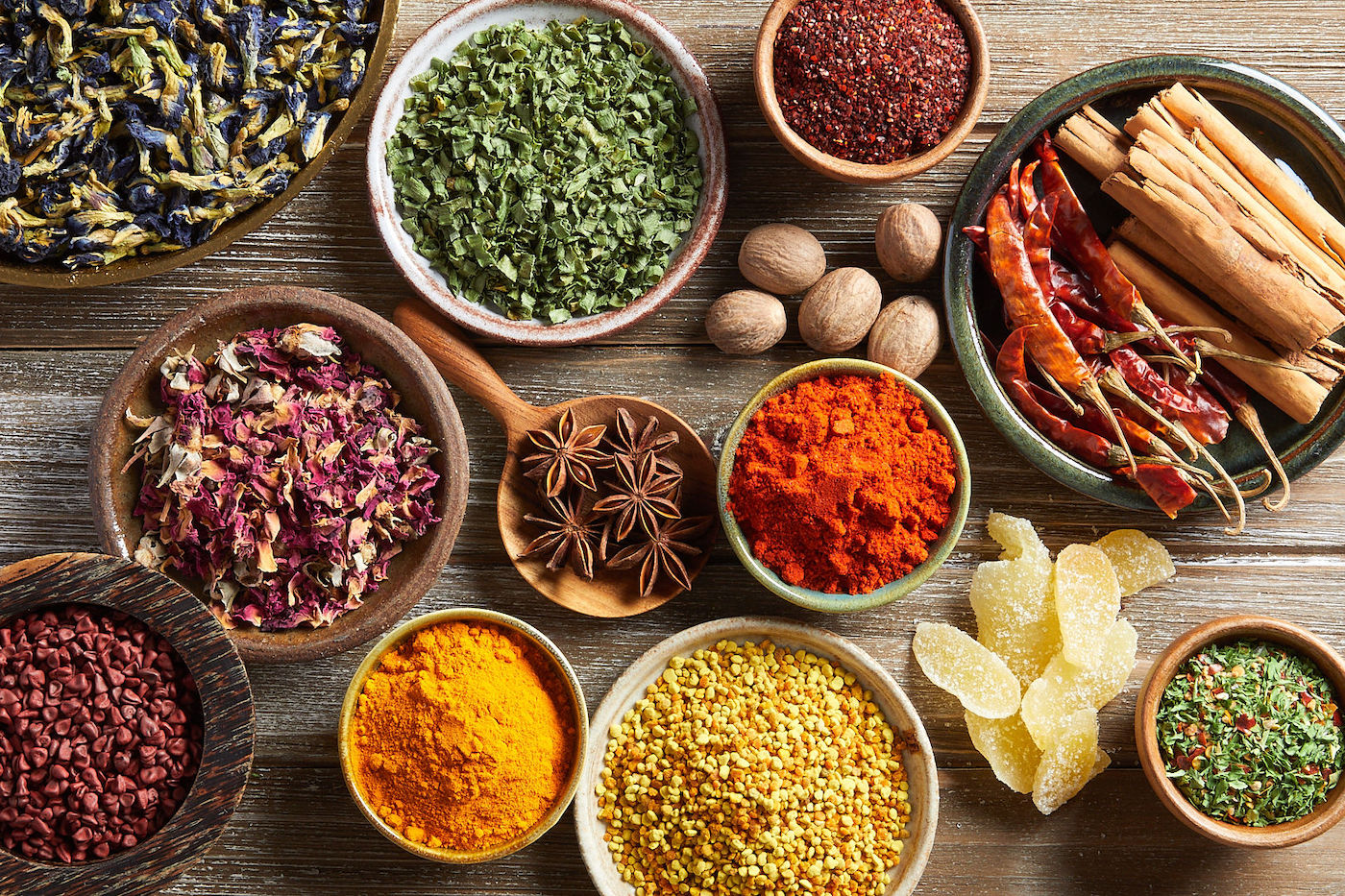
Assorted spices and herbs - representative of the diverse spice range imported by NATCO Foods from India
The supply chain for atta imports from India to the UK involves several critical quality and regulatory considerations. Under UK and EU food safety regulations, all imported flour must comply with maximum residue limits for pesticides and mycotoxins, particularly aflatoxins which can contaminate stored grain. Shree Bhagwati Flour & Foods must ensure that its products meet these standards, and NATCO Foods, as the UK importer, bears responsibility for verifying compliance through appropriate testing and documentation. The flour must also be properly packaged and labelled in accordance with UK food labelling regulations, including allergen declarations, nutritional information, and country of origin labelling. These regulatory requirements add complexity to the import process but are essential for ensuring the safety and integrity of the food supply chain.
Spices and Herbs from India
Spices and herbs constitute perhaps the most culturally significant product category in NATCO Foods' import portfolio. The company sources its spice range from Sami Spices & Herbs Pvt Ltd, an Indian company specialising in the processing, blending, and export of a comprehensive range of whole and ground spices and culinary herbs. India has been the world's largest spice producer, consumer, and exporter for centuries, and its spice industry represents a remarkable intersection of agricultural tradition, industrial processing capability, and global trade expertise that makes it the natural sourcing destination for any spice importer.
The spice imports from Sami Spices & Herbs Pvt Ltd span multiple HS code categories (0901-0910), reflecting the extraordinary diversity of the spice range. Key products likely include turmeric (HS 0910.30), cumin seeds (HS 0909.31), coriander seeds (HS 0909.91), black pepper (HS 0901.11), chili peppers and powder (HS 0904), cardamom (HS 0908), cinnamon and cassia (HS 0906), and various spice blends including garam masala, curry powder, and other traditional South Asian spice mixtures. The UK spice market is one of the largest in Europe, valued at approximately 300-400 million GBP annually at retail level, with South Asian spices commanding a significant and growing share driven by the popularity of Indian, Pakistani, Bangladeshi, and Sri Lankan cuisines among all demographic groups in the UK.
Quality control in the spice supply chain is particularly critical due to the well-documented challenges of adulteration and contamination that have historically affected the global spice trade. Common issues include the addition of foreign substances to increase weight, contamination with heavy metals from soil and processing equipment, and the presence of aflatoxins in certain spices like chili and turmeric. Reputable suppliers like Sami Spices & Herbs implement comprehensive quality management systems including testing at multiple points in the supply chain, steam sterilisation to reduce microbial load, and certification to international standards such as ISO 22000 (Food Safety Management), BRC Global Standards, and FSSC 22000. As the UK importer, NATCO Foods must verify that its spice imports meet the stringent requirements of the Food Standards Agency (FSA) and relevant EU retained legislation on maximum levels for contaminants in food.
Panela (Jaggery) from India
Panela, known in South Asian contexts as jaggery or gur, is a traditional unrefined sugar product made from the juice of sugar cane or, in some regions, from the sap of palm trees. NATCO Foods imports panela/jaggery from Vivek Agro Products, an Indian company specialising in agricultural and agro-processing products. The import falls under HS code 1701.10, which covers "Cane or beet sugar and chemically pure sucrose, in solid form" within the broader sugar category of the Harmonized System.
Jaggery holds a unique position in South Asian culinary tradition, serving not only as a sweetener but also as a flavouring agent with distinctive caramel and toffee notes that cannot be replicated by refined white sugar. In Indian and Pakistani cooking, jaggery is used in a vast array of sweet and savoury preparations. Sweet applications include traditional desserts like gajak, chikki, and payesh, as well as everyday tea sweetening in many households. Savoury uses include the preparation of sambar and rasam in South Indian cuisine, where a small quantity of jaggery balances the tartness of tamarind, and in Bengali cuisine, where date palm jaggery (khejur gur) is a prized ingredient in both sweet and savoury dishes. The growing interest in natural and minimally processed foods in the UK has increased demand for jaggery beyond the South Asian community, with health-conscious consumers attracted to its mineral content (including iron, calcium, and potassium) and the absence of chemical processing.
The production of jaggery in India is predominantly a small-scale, rural industry, with millions of small producers operating traditional or semi-mechanised units called "ghana" or "kolhu." Sugar cane is crushed to extract the juice, which is then boiled in large open pans to evaporate the water content. As the juice concentrates, impurities are skimmed off and the remaining syrup is stirred continuously until it reaches the desired consistency. The semi-solid mass is then poured into moulds to set into blocks, or further processed into powder or liquid form. This traditional production method preserves the natural molasses content of the sugar cane juice, giving jaggery its characteristic dark colour, complex flavour, and retained mineral content. Vivek Agro Products, as a supplier to the UK market, must ensure that its production facilities meet the food safety and hygiene standards required for export, which may involve upgrading from purely traditional methods to semi-mechanised processes that maintain product character while ensuring consistent quality and safety.
Pure Sesame Oil from India
Pure sesame oil represents the final product category in NATCO Foods' import portfolio, sourced from Ashok Oil & Food Products, an Indian company specialising in edible oil production and food processing. Sesame oil falls under HS code 1515.50, which covers "Sesame oil and its fractions, whether or not refined, but not chemically modified." This classification encompasses both cold-pressed (virgin) and refined sesame oil, both of which serve distinct culinary purposes in South Asian cooking.
Sesame oil has been a cornerstone of South Asian culinary tradition for millennia, with archaeological evidence suggesting that sesame was cultivated in the Indian subcontinent as early as 2500 BCE. In South Asian cuisine, sesame oil (known as til ka tel in Hindi and nallennai in Tamil) serves multiple functions. Cold-pressed sesame oil, with its strong, nutty flavour and aroma, is primarily used as a seasoning and flavouring oil, drizzled over finished dishes to add depth and complexity. It is particularly important in South Indian cuisine, where it is used in the preparation of idli, dosa, and uttapam batter, as well as in tempering (tadka) for various lentil and vegetable dishes. Refined sesame oil, with a more neutral flavour and higher smoke point, is used as a cooking oil for stir-frying and deep-frying. The oil is also valued in traditional Ayurvedic practice for its purported health benefits, including anti-inflammatory properties and high antioxidant content due to the presence of sesamol and sesaminol compounds.
The UK sesame oil market has experienced significant growth in recent years, driven not only by the South Asian diaspora but also by the broader popularity of Asian cuisines (including Chinese, Japanese, Korean, and Thai) that use sesame oil as a key ingredient. The global sesame oil market was valued at approximately 7-8 billion USD in 2023, with India being one of the largest producers and exporters. Ashok Oil & Food Products' role in this supply chain is to provide NATCO Foods with sesame oil that meets the specific quality expectations of the UK market, including appropriate packaging, labelling compliance, and consistent quality parameters for colour, flavour, free fatty acid content, and peroxide value. The oil must also comply with UK regulations on contaminants in edible oils, including maximum levels for mineral oil hydrocarbons, heavy metals, and pesticide residues.
Company Directors and Management
The governance and management of NATCO Foods Ltd is overseen by a board of directors comprising individuals with extensive experience in the food import and wholesale industry. The current directorship reflects the company's heritage as a family-owned enterprise, with members of the Pagarani family continuing to play central roles in strategic decision-making and operational oversight. The following table presents the current directors and key management personnel of NATCO Foods Ltd, as recorded at UK Companies House.
| Name | Position | |
|---|---|---|
| Pagarani, Lekhraj Thakurdas | Director | pagarani.lekhraj@natcofoods.com |
| Pagarani, Luke | Director | luke.pagarani@natcofoods.com |
| Thanwani, Ramesh Pohumal | Director | N/A |
| Luke Daniells | Import/Export Manager | daniells.luke@natcofoods.com |
The board is led by Lekhraj Thakurdas Pagarani, who serves as a director and brings longstanding experience in the food wholesale sector. Luke Pagarani, also serving as a director, represents the next generation of family leadership in the business. The Pagarani family's continued involvement in the company ensures continuity of strategic vision and preserves the institutional knowledge and supplier relationships that have been built over more than five decades. Ramesh Pohumal Thanwani adds further depth to the board with his experience and expertise in the food industry. Luke Daniells, serving as Import/Export Manager, plays a critical operational role in managing the day-to-day logistics of international trade, including coordinating with overseas suppliers, managing customs documentation, ensuring regulatory compliance, and overseeing the physical movement of goods from origin to the company's Buckingham warehouse. His direct involvement in the import process makes him the key point of contact for supplier relationships and trade operations.
UK-South Asia Food Trade Context
NATCO Foods Ltd operates within one of the most dynamic and rapidly growing segments of the UK food industry: the import and distribution of South Asian food products. The UK's relationship with South Asian food is deeply rooted in the country's colonial history and the post-war immigration patterns that brought millions of people from India, Pakistan, Bangladesh, and Sri Lanka to Britain. Today, South Asian cuisine is not merely a niche ethnic category but a mainstream pillar of British food culture, with chicken tikka masala famously described as "Britain's national dish" and Indian restaurants contributing over 4 billion GBP annually to the UK economy.
The UK's food imports from South Asia encompass a wide range of products, with the most significant categories by value including rice, spices, tea, lentils and pulses, edible oils, wheat flour and atta, dried fruits, pickles and chutneys, and frozen and chilled prepared foods. India is the dominant source country, reflecting its position as the world's largest food producer by volume and its diverse agricultural output. The UK-India bilateral trade in food and drink products exceeded 1 billion GBP in recent years, with significant growth potential driven by the UK-India Free Trade Agreement negotiations and the complementary nature of the two economies. Pakistan is also an important source country, particularly for basmati rice, dried fruits, spices, and textile products, with UK-Pakistan bilateral trade in goods valued at approximately 3 billion GBP annually.
The regulatory environment for UK food imports has evolved significantly following Brexit, with the UK transitioning from EU to its own independent trade and regulatory framework. Key changes include the introduction of the UK Global Tariff (UKGT) replacing the EU's Common External Tariff, new customs declaration requirements under the Border Target Operating Model, and the UK's own sanitary and phytosanitary (SPS) border controls. For importers like NATCO Foods, these changes have required significant adaptation of import procedures and documentation. However, the fundamental quality and safety requirements remain closely aligned with EU standards, as the UK has retained the majority of EU food safety legislation under the European Union (Withdrawal) Act 2018. Importers must continue to ensure compliance with food safety standards, labelling requirements, origin documentation, and import licensing requirements where applicable, with the Food Standards Agency (FSA) and the Department for Environment, Food and Rural Affairs (DEFRA) serving as the primary regulatory authorities.
Looking forward, several trends are likely to shape the future of UK-South Asia food trade and, by extension, the operations of companies like NATCO Foods. The continued growth of the UK's South Asian population, projected to reach 5-6 million by 2040, will sustain and increase demand for authentic food products from the subcontinent. The rising popularity of South Asian cuisine among the broader UK population, fuelled by social media, celebrity chefs, and the diversification of dining habits, is expanding the consumer base beyond the diaspora community. E-commerce and online retail are creating new distribution channels for specialist food importers, and NATCO Foods' development of an online store suggests the company is positioning itself to capitalise on this trend. Finally, growing consumer awareness of sustainability, organic production, and fair trade is creating opportunities for importers who can verify and communicate the provenance and ethical credentials of their supply chains.
Frequently Asked Questions
What is NATCO Foods Ltd?
NATCO Foods Ltd is a British food wholesale company founded in 1968 and headquartered in Buckingham, England. Operating under SIC code 46390 (non-specialised wholesale of food, beverages, and tobacco), the company specialises in the importation and distribution of South Asian food products, serving the UK's growing demand for authentic ingredients from the Indian subcontinent. With over five decades of experience, NATCO Foods imports dried apricots from Pakistan, as well as wheat flour (atta), spices and herbs, panela (jaggery), and pure sesame oil from India.
Where is NATCO Foods Ltd located?
NATCO Foods Ltd is headquartered in Buckingham, a market town in Buckinghamshire, south-central England. The company can be contacted by telephone on 01280 825430, by email at info@natcofoods.com (general enquiries) or sales@natcofoods.com (sales), or through their website at www.natcofoods.com. Buckingham's central location provides excellent distribution access to both the Midlands and South East regions of the UK.
Who are NATCO Foods' suppliers?
NATCO Foods maintains a network of five primary suppliers: (1) M. Manzoor & Co Pakistan Pvt Ltd (Pakistan) - dried apricots; (2) Shree Bhagwati Flour & Foods Pvt Ltd (India) - wheat flour/atta; (3) Sami Spices & Herbs Pvt Ltd (India) - spices and herbs; (4) Vivek Agro Products (India) - panela/jaggery; and (5) Ashok Oil & Food Products (India) - pure sesame oil. Four suppliers are located in India and one in Pakistan, reflecting the company's focus on the Indian subcontinent as its primary sourcing region.
What products does NATCO Foods import?
NATCO Foods imports five main product categories: (1) Dried apricots from Pakistan's northern regions (HS 0813.10), used in baking, confectionery, and South Asian desserts; (2) Wheat flour/atta from India (HS 1101.00) for making chapati, roti, and paratha; (3) Spices and herbs from India (HS 0901-0910) including turmeric, cumin, coriander, and spice blends; (4) Panela/jaggery from India (HS 1701.10), a traditional unrefined sugar used in South Asian cooking; and (5) Pure sesame oil from India (HS 1515.50) for cooking, seasoning, and garnishing.
Who are the directors of NATCO Foods Ltd?
NATCO Foods Ltd has four directors and key officers: Lekhraj Thakurdas Pagarani (Director), Luke Pagarani (Director), Ramesh Pohumal Thanwani (Director), and Luke Daniells (Import/Export Manager). The Pagarani family has been associated with the company's ownership and management since its founding, ensuring continuity of strategic direction and supplier relationships built over more than five decades.
What is SIC code 46390?
SIC code 46390 refers to "Wholesale of food, beverages and tobacco (non-specialised)" in the UK Standard Industrial Classification of Economic Activities. This classification indicates that NATCO Foods operates as a general food wholesaler, handling a broad range of food products rather than specialising in a single product category. This aligns with the company's diverse import portfolio covering dried fruits, flour, spices, sweeteners, and cooking oils.
How has Brexit affected UK food importers like NATCO Foods?
Brexit has introduced several changes for UK food importers, including the replacement of the EU's Common External Tariff with the UK Global Tariff (UKGT), new customs declaration requirements under the Border Target Operating Model, and independent UK sanitary and phytosanitary (SPS) border controls. However, the UK has retained the majority of EU food safety legislation, so core quality and safety requirements remain largely aligned with EU standards. Importers must adapt their documentation and procedures to comply with the new UK-specific framework, with the Food Standards Agency (FSA) and DEFRA serving as primary regulatory authorities.
Yorumlar - Yorum Yaz