

ACTIVATED CARBON | IMPORTERS | INDONESIA
Activated Carbon Importers in Indonesia
Verified B2B Directory — Contact Details, Trade Information & Market Data for Activated Carbon Exporters
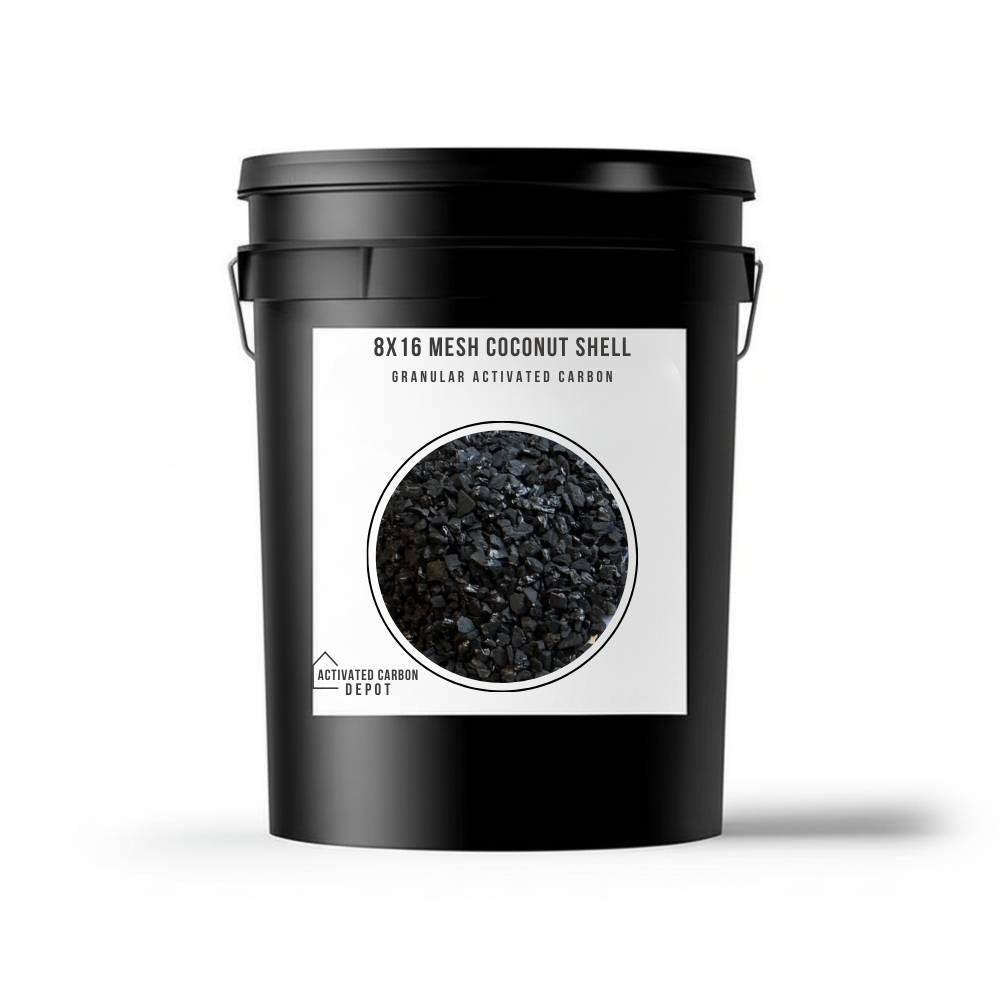
Indonesia's activated carbon sector occupies a unique position: the country is simultaneously one of the world's largest producers of coconut shell-based activated carbon and a significant importer of specialized grades. PT Macrochema Pratama, a Jakarta-based importer and trader, handles activated carbon alongside flavour and fragrance chemicals. Indonesia's domestic activated carbon industry benefits from abundant coconut shell feedstock, yet the country still imports powdered activated carbon (PAC), granular activated carbon (GAC), extruded and impregnated grades for specialized applications including mercury removal, catalysis support, and ultra-pure water treatment. The global activated carbon market is projected to exceed USD 8 billion by 2027, with the Asia-Pacific region representing the largest and fastest-growing market segment.
What Is Activated Carbon?
Activated carbon, also known as activated charcoal, is a form of carbon that has been processed to create a highly porous structure with an enormous internal surface area. The production process involves two main stages: carbonization, where the raw material is heated in the absence of oxygen to produce a carbon-rich char, followed by activation, where the char is treated with oxidizing gases (typically steam or carbon dioxide) at temperatures between 800 and 1,000 degrees Celsius. This activation process etches away carbon atoms and creates a vast network of microscopic pores, resulting in a material with a surface area typically ranging from 500 to 1,500 square meters per gram, though some specialty grades can exceed 3,000 square meters per gram.
The extraordinary surface area of activated carbon makes it extremely effective at adsorption, a process by which molecules of a substance adhere to the surface of the carbon through van der Waals forces. It is important to distinguish adsorption from absorption: while absorption involves a substance permeating into the bulk of another material, adsorption is a surface phenomenon where molecules bind to the surface of the activated carbon's pore walls. This adsorption capability allows activated carbon to remove a remarkably wide range of contaminants from both gases and liquids, including chlorine, volatile organic compounds (VOCs), heavy metals, pesticides, herbicides, and various organic chemicals.
The properties of activated carbon, including its pore size distribution, surface chemistry, hardness, and density, depend heavily on the raw material used and the specific activation process applied. Different applications require different types of activated carbon: for example, water treatment typically requires carbon with a high proportion of micropores (pores less than 2 nanometers in diameter) to capture small organic molecules, while air filtration applications may benefit from mesopores (2 to 50 nanometers) and macropores (greater than 50 nanometers) that allow faster diffusion of gas molecules to the adsorption sites.
Raw Materials for Activated Carbon Production
Activated carbon can be manufactured from virtually any carbon-rich organic material, but the choice of raw material significantly affects the final product's characteristics, making it suitable for different applications. The following table provides an overview of the principal raw materials used in activated carbon production, their key properties, and the applications for which each type is best suited.
| Raw Material | Pore Structure | Hardness | Primary Applications |
|---|---|---|---|
| Coconut shell | Predominantly microporous | Very high | Water treatment, gold recovery (CIP/CIL), air purification, drinking water filtration, food and beverage processing, pharmaceutical applications |
| Coal (bituminous) | Mixed micro and mesoporous | High | Wastewater treatment, air filtration, industrial gas purification, automotive emission canisters, solvent recovery |
| Wood and sawdust | Mesoporous to macroporous | Low to moderate | Decolorization, food processing, chemical purification, pharmaceutical applications, environmental remediation |
| Peat | Mixed pore distribution | Moderate | Water treatment, air purification, industrial gas processing, odor control |
| Petroleum coke | Mesoporous | Very high | Catalyst support, industrial gas purification, energy storage, electrode manufacturing, flue gas treatment |
Types of Activated Carbon
Activated carbon is available in several physical forms, each designed for specific applications and process requirements. Understanding these forms is essential for importers, distributors, and end-users to select the correct product for their needs. The three primary forms are powdered activated carbon (PAC), granular activated carbon (GAC), and extruded or pelletized activated carbon, each with distinct characteristics that make them suitable for different industrial processes and treatment systems.
Powdered Activated Carbon (PAC)
Powdered activated carbon consists of fine carbon particles, typically with a majority of particles passing through a 0.18 millimeter sieve (80 mesh). PAC offers the advantage of very rapid adsorption kinetics due to its extremely high external surface area, making it ideal for batch treatment processes where fast contaminant removal is required. Common applications include municipal water treatment for taste and odor control, wastewater treatment for removal of organic contaminants and color, and batch processing in the food and beverage industry for decolorization and purification.
The primary disadvantage of PAC is that it cannot be easily regenerated and reused, as the fine particles are difficult to separate from the treated liquid after use. This means PAC is typically a single-use material that must be disposed of after saturation, which generates solid waste. However, for many applications, the fast kinetics and lower initial cost of PAC make it the most economical choice despite its single-use nature. PAC is also commonly used in combination with coagulation and filtration processes in water treatment plants.
Granular Activated Carbon (GAC)
Granular activated carbon consists of larger carbon particles, typically ranging from 0.2 to 5 millimeters in size, which are used in fixed-bed adsorption columns and filters. GAC is the most widely used form of activated carbon in continuous flow water treatment and air purification systems, where water or air passes through a bed of GAC and contaminants are adsorbed onto the carbon surface over time. The larger particle size compared to PAC allows for lower pressure drop in column systems and enables the carbon to be regenerated and reused multiple times through thermal reactivation.
GAC is extensively used in drinking water filtration systems, point-of-use and point-of-entry water filters, industrial water treatment plants, air purification systems, and VOC removal systems. Coconut shell-based GAC is particularly valued in drinking water applications due to its high hardness, which minimizes attrition and dust generation, and its predominantly microporous structure, which provides excellent adsorption capacity for small organic molecules and residual chlorine. The ability to thermally reactivate GAC, typically at temperatures of 800 to 1,000 degrees Celsius in a reactivation furnace, reduces the long-term operating costs of GAC-based treatment systems compared to PAC-based alternatives.
Indonesia's paradox in activated carbon trade: Indonesia is the world's largest coconut producer, harvesting approximately 17 million metric tons annually, which provides an abundant and low-cost feedstock for coconut shell-based activated carbon production. Several Indonesian manufacturers export significant volumes of activated carbon to global markets. However, the country still imports specialized activated carbon grades, including impregnated carbon for mercury removal from flue gases, acid-washed carbon for ultra-pure water treatment in the electronics and pharmaceutical industries, and extruded carbon for specific air filtration applications. This import demand is driven by Indonesia's expanding industrial base, tightening environmental regulations, and the need for application-specific carbon grades that domestic producers may not offer.
Overview of Indonesia's Activated Carbon Import Sector
Indonesia's activated carbon market is characterized by a fascinating duality: the country is simultaneously a major global producer and exporter of coconut shell-based activated carbon, and an importer of specialized activated carbon grades that cannot be sourced domestically. This unique market position creates a dynamic trade environment where both export-oriented manufacturing and import-dependent specialized applications coexist and serve different segments of the growing Indonesian industrial market. The country's activated carbon production capacity is concentrated in regions with abundant coconut plantations, including North Sulawesi, Riau, and parts of Java and Kalimantan.
The import demand for activated carbon in Indonesia is driven by several key sectors. The water treatment sector, including municipal water supply systems (PDAM), bottled water production, and industrial wastewater treatment, represents a major consumption point for both domestically produced and imported activated carbon. Indonesia's gold mining industry, one of the largest in the world, consumes enormous quantities of coconut shell-based activated carbon for carbon-in-pulp (CIP) and carbon-in-leach (CIL) gold recovery processes. The food and beverage industry uses activated carbon for decolorization of sugar, purification of edible oils, and beverage clarification. Additionally, the growing environmental awareness and increasingly stringent government regulations on industrial emissions and wastewater discharge continue to expand the addressable market for activated carbon across all industrial sectors.
Jakarta serves as the primary trading hub for activated carbon imports, with importers and chemical trading companies like PT Macrochema Pratama operating from commercial districts in West and Central Jakarta. These importers serve as intermediaries between international activated carbon manufacturers, particularly those producing specialized grades in China, Japan, the United States, and Europe, and the diverse Indonesian industrial customer base that requires these products for their operations.
Key Applications of Activated Carbon in Indonesia
Activated carbon serves a critical role across numerous industries in Indonesia. The following table summarizes the major application areas, the types of activated carbon typically used, and the specific functions performed in each application.
| Application Sector | Carbon Type | Function | Indonesian Market Context |
|---|---|---|---|
| Water treatment (municipal) | GAC, PAC | Removal of chlorine, VOCs, taste and odor compounds, organic contaminants | PDAM systems nationwide, growing bottled water industry |
| Industrial wastewater | PAC, GAC | Color removal, organic pollutant adsorption, heavy metal reduction, COD/BOD reduction | Textile, pulp and paper, chemical manufacturing industries |
| Gold mining and recovery | Coconut shell GAC | Adsorption of gold cyanide complexes from leach solutions (CIP/CIL processes) | Major gold producers in Papua, Sulawesi, Kalimantan, Sumbawa |
| Air purification | GAC, extruded, impregnated | VOC removal, odor control, toxic gas adsorption, solvent recovery | Industrial zones, commercial buildings, automotive, oil and gas |
| Food and beverage | PAC, GAC (food grade) | Decolorization of sugar, edible oil purification, beverage clarification, deodorization | Indonesia is a major sugar and palm oil producer |
| Pharmaceutical | PAC, GAC (pharma grade) | Purification of active pharmaceutical ingredients, toxin removal, decolorization | Growing domestic pharmaceutical manufacturing sector |
| Mercury removal | Impregnated (sulfur/iodine) | Adsorption of elemental mercury and mercury compounds from flue gases and natural gas | Import-dependent; oil and gas sector, coal-fired power plants |
HS Code Reference for Activated Carbon Imports
The following table provides the harmonized system (HS) code classifications relevant to activated carbon and related products imported into Indonesia. Importers and exporters should verify exact classifications with Indonesian Customs (DJBC) for each specific product type and intended use.
| HS Code | Description | Notes |
|---|---|---|
| 3802.10 | Activated carbon | All forms: powder, granules, pellets, extruded shapes. Covers both unimpregnated and impregnated activated carbon for industrial use |
| 3802.90 | Activated carbon, other | May include activated carbon in non-standard forms or with specific treatments not covered under 3802.10 |
| 3004.90 | Medicinal activated carbon | Activated carbon for pharmaceutical and medicinal applications, subject to additional BPOM (Indonesian FDA) requirements |
Activated Carbon Importers in Indonesia
The following table presents verified importing and trading companies handling activated carbon in Indonesia. These companies serve as key intermediaries between international activated carbon producers and the Indonesian industrial market.
| Company | City | Phone | Fax | Address | Activity / Line of Business |
|---|---|---|---|---|---|
| PT Macrochema Pratama | Jakarta | 62-21-5823233 | 62-21-5813110 | Jl. Kedoya Raya no. 22, Jakarta 11520 | Importer, trader; Chemical: flavour, fragrance, activated carbon |
Key Company Profile
PT Macrochema Pratama
PT Macrochema Pratama is a Jakarta-based chemical import and trading company operating from Jl. Kedoya Raya in the Kedoya area of West Jakarta. The company's business encompasses the import and distribution of activated carbon alongside flavour and fragrance chemicals, reflecting a diversified chemical trading portfolio that serves multiple industrial sectors. Their product range positions them at the intersection of industrial chemicals and specialty ingredients, enabling them to serve a broad customer base across Indonesia's manufacturing, food processing, water treatment, and consumer goods industries.
The company's dual focus on activated carbon and flavour-fragrance chemicals is noteworthy because both product categories share common end-use industries, particularly food and beverage manufacturing, where activated carbon is used for purification and decolorization while flavour and fragrance chemicals are used for product formulation. This complementary product range allows PT Macrochema Pratama to serve as a one-stop chemical sourcing partner for food and beverage manufacturers, water treatment companies, and industrial processors who require both categories of products for their operations.
The Kedoya area of West Jakarta, where PT Macrochema Pratama is located, is a well-established commercial district with good connectivity to Jakarta's port facilities, industrial zones, and the broader Java road network. This strategic location supports the company's import and distribution operations by providing efficient logistics access for receiving shipments from international suppliers and distributing products to customers across the Jakarta metropolitan area and the wider Indonesian archipelago.
Contact: Jl. Kedoya Raya no. 22, Jakarta 11520 | Tel: 62-21-5823233 | Fax: 62-21-5813110 | Email: macro1@cbn.net.id
Trade opportunities for activated carbon exporters: Despite Indonesia's strong domestic production base, significant import opportunities exist for specialized activated carbon grades including sulfur-impregnated carbon for mercury removal from natural gas and coal-fired power plant flue gases, iodine-impregnated carbon for radioactive iodine capture, acid-washed carbon for semiconductor and pharmaceutical ultra-pure water systems, catalytic activated carbon for air pollution control, and carbon with specific surface chemistry modifications for targeted industrial applications. International exporters from China, Japan, the United States, Germany, India, and Sri Lanka are active suppliers to the Indonesian market, with China accounting for the largest share of activated carbon imports by volume.
Trade Opportunities for Activated Carbon Exporters
Indonesia presents a compelling and multifaceted market for international activated carbon exporters. While the country's abundant coconut shell resources support a significant domestic activated carbon manufacturing industry, the rapidly expanding industrial base, increasingly stringent environmental regulations, and growing sophistication of Indonesian manufacturing create robust demand for specialized activated carbon products that complement or exceed what domestic producers can supply. The market is particularly receptive to activated carbon products that offer superior performance, consistency, and technical support for demanding applications.
The water treatment sector offers one of the largest growth opportunities, driven by Indonesia's ongoing investment in municipal water infrastructure, rapid expansion of the bottled water and beverage industries, and tightening industrial wastewater discharge standards. The gold mining sector, where Indonesia ranks among the world's top producers, creates consistent demand for high-quality coconut shell-based activated carbon, although domestic producers largely serve this market. The oil and gas industry, particularly the natural gas processing and liquefied natural gas (LNG) sectors, represents a specialized market for impregnated activated carbon used in mercury removal units, a critical safety and equipment protection measure that requires consistently high-quality impregnated carbon products.
International exporters targeting the Indonesian activated carbon market should establish direct relationships with importers and trading companies such as PT Macrochema Pratama, who serve as the primary channel between international producers and domestic end-users. Key success factors include providing comprehensive technical documentation, offering competitive pricing, ensuring reliable supply continuity, demonstrating compliance with relevant Indonesian standards and regulations, and being prepared to offer technical support and product customization to meet the specific requirements of Indonesian industrial customers. Indonesia's trade-friendly policies for industrial raw materials and its strategic location as the largest economy in Southeast Asia further enhance its attractiveness as a target market for global activated carbon exporters.
Yorumlar - Yorum Yaz