


Spain Southern Bluefin Tuna Importers
Spain Southern Bluefin Tuna (Thunnus maccoyii) Importers
Comprehensive guide to Spain's top bluefin tuna companies — producers, wild-catch operators and distributors with verified trade intelligence
ⓘ Executive Summary
Spain occupies a unique and paradoxical position in the global bluefin tuna trade: it is simultaneously the world's largest exporter of fresh/chilled bluefin tuna ($110 million in 2024) and a significant importer and re-importer of premium tuna products. The Spanish bluefin tuna industry produced 10,877 tonnes in 2022 with a first-sale value of €183.2 million, centered around the Mediterranean fattening facilities of Murcia and the ancient Almadraba wild-catch tradition of Cádiz. This report profiles 8 key companies across the Spanish bluefin tuna value chain, from vertical-integrated producers like Grup Balfegó and Ricardo Fuentes to specialized importers and distributors like True World Foods Spain and Daoro S.L.
- 8 companies profiled spanning production, wild-catch, import and distribution
- Market value: €183.2 million (2022 first-sale value of Spanish bluefin tuna)
- Spain is the #1 global exporter of fresh/chilled bluefin tuna
- Key markets: Japan (70%+ of exports), USA, EU premium restaurants
- Regulated by ICCAT and CCSBT catch documentation schemes
☰ Table of Contents
▼
Spain's Bluefin Tuna Industry Overview
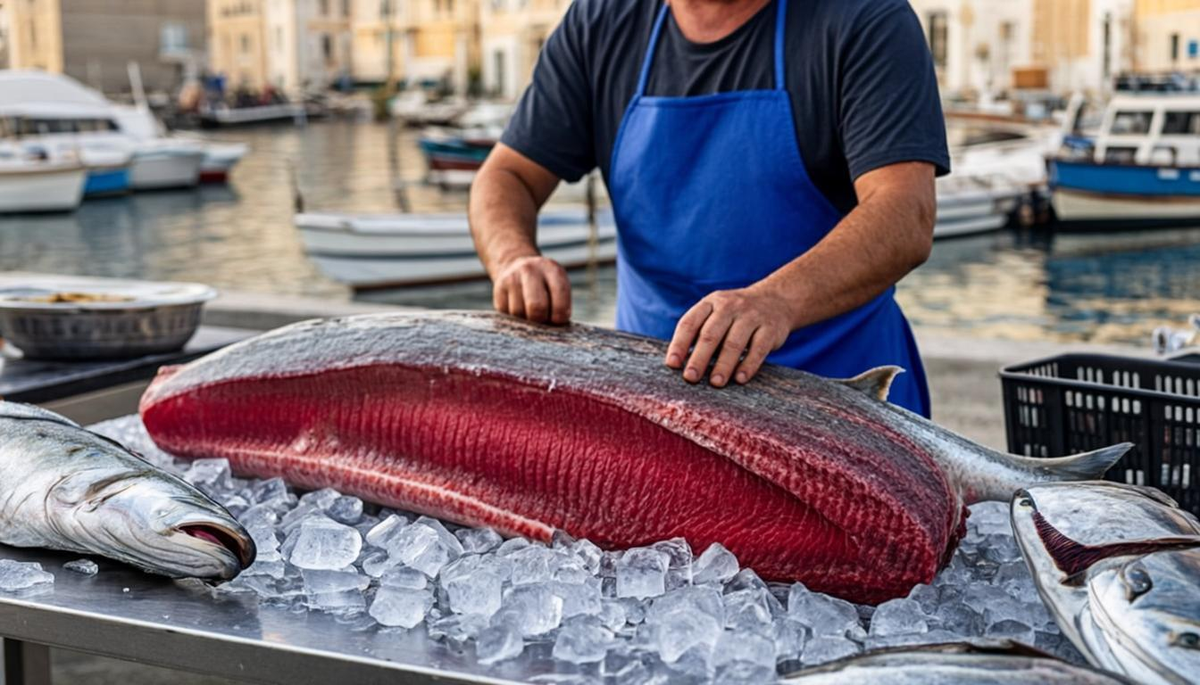
Spain's relationship with bluefin tuna stretches back millennia, from the Phoenician invention of the Almadraba trap-net system to today's cutting-edge offshore fattening technology. The modern Spanish bluefin tuna industry operates on two parallel tracks: the wild-catch Almadraba season (April-June) in the Strait of Gibraltar, and the year-round Mediterranean fattening operations concentrated in the Murcia and Tarragona regions. The fattening sector, which began in 1996, involves capturing wild bluefin tuna at sea, transferring them to offshore cage systems, and feeding them a diet of sardines and mackerel for 3-6 months to develop the prized fat content demanded by Japanese and international sashimi markets.
The Spanish industry is dominated by two corporate groups — Grup Balfegó (Catalonia) and Ricardo Fuentes e Hijos S.A. (Murcia) — which together control the majority of fattening capacity and export volumes. However, the value chain also includes artisanal wild-catch operators using traditional Almadraba and hook-and-line methods, specialized importers serving the domestic sushi and fine-dining market, and industrial-scale seafood processors like Grupo Profand. Spain's bluefin tuna reaches over 40 countries, with Japan absorbing the vast majority of premium fresh/chilled exports, followed by the United States, the European Union and the Middle East.
It is important to note that while Spain is primarily known for Atlantic bluefin tuna (Thunnus thynnus), the country also handles southern bluefin tuna (Thunnus maccoyii) through import and re-export channels. Southern bluefin tuna from Australian and New Zealand waters enters Spain for processing, premium market distribution or re-export, contributing to the country's role as a global bluefin tuna hub. The distinction between the two species is significant: Thunnus maccoyii is classified as Endangered by the IUCN and is managed under the CCSBT quota system, while Thunnus thynnus falls under ICCAT regulations.
Complete Company Directory
| # | Company | Location | Segment | Key Focus |
|---|---|---|---|---|
| 1 | Grup Balfegó S.L. | L'Ametlla de Mar, Catalonia | Producer | World leader in bluefin tuna capture, fattening and export; 5 generations; ike-jime slaughter; 40+ countries |
| 2 | Ricardo Fuentes e Hijos S.A. | Cartagena, Murcia | Producer | World leader claim; 60+ years; operations in 5 countries; JV with Mitsui; 85% export; 70t/day freezing |
| 3 | JC Mackintosh S.L. | Tarifa, Cádiz | MSC Certified | First Spanish MSC-certified bluefin tuna fishery; hook-and-line wild catch; Strait of Gibraltar |
| 4 | Petaca Chico S.L. | Barbate, Cádiz | Almadraba | Co-owner of Almadraba de Barbate; 30+ years; canned conserves; wild bluefin specialist |
| 5 | True World Foods Spain S.L. | Spain (global HQ: USA) | Importer | Global sushi supply chain; bluefin tuna specialist; lomo alto, ventresca/toro cuts; Japanese Wagyu |
| 6 | Daoro S.L. (Pescados Nortesur) | Madrid (Mercamadrid) | Distributor | Mercamadrid since 1980; bluefin tuna specialist wholesaler; farmed & Almadraba seasonal |
| 7 | Lonxamar Nosaria S.L. | Galicia | Distributor | Galicia-based bluefin tuna specialist; authorized distributor of Ricardo Fuentes & Aquanaria |
| 8 | Grupo Profand S.L. | Vigo, Galicia | Processor | Spain's largest seafood company (30th globally); 2025 Tuna Award winner; Mercadona supplier |
Detailed Company Profiles
1. Grup Balfegó S.L.
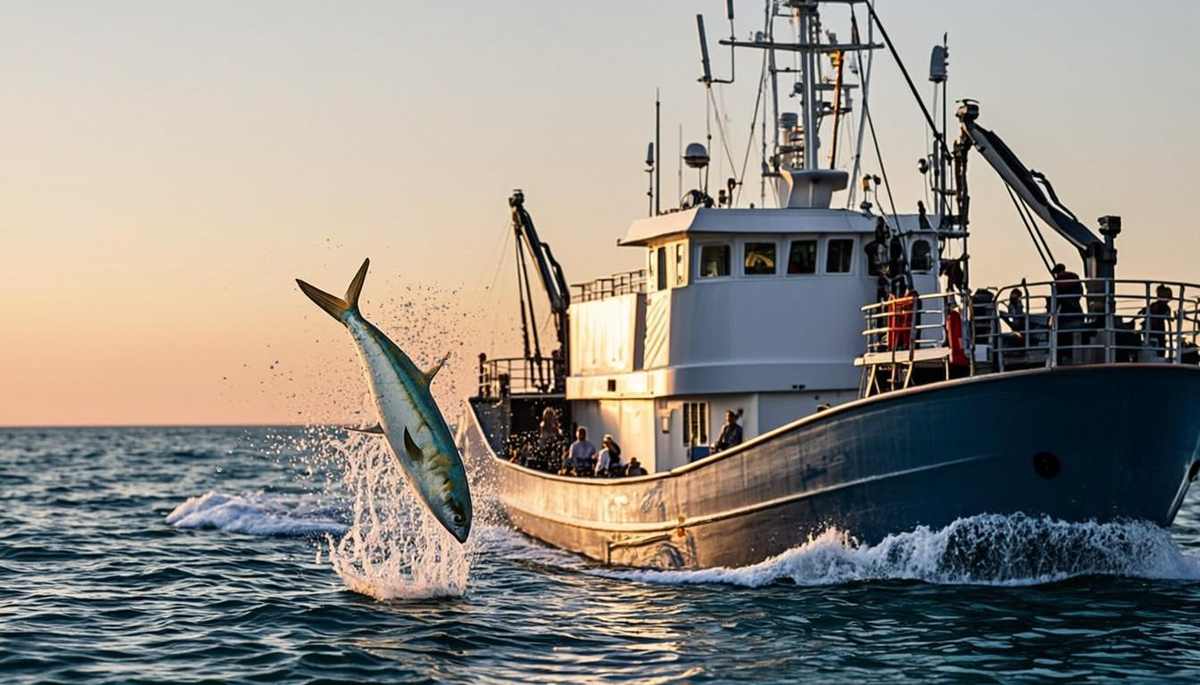
Grup Balfegó describes itself as the world leader in capture, feeding, study and commercialization of bluefin tuna. With five generations of fishing heritage, the company operates a fully vertical integration model: wild bluefin tuna are captured using purse seine nets in the Mediterranean, transferred to offshore fattening cages, and fed exclusively on blue fish (sardines and mackerels) for optimal fat development. Balfegó employs the traditional Japanese ike-jime slaughter method for superior meat quality and distributes fresh/chilled bluefin tuna to over 40 countries. The company also operates a popular "Tuna Tour" visitor experience at its L'Ametlla de Mar base.
2. Ricardo Fuentes e Hijos S.A.
A family-owned multinational that claims to be the world leader in bluefin tuna production, Ricardo Fuentes e Hijos S.A. exports approximately 85% of its output to 40+ countries across five continents. The group operates through multiple subsidiaries including Caladeros del Mediterráneo, Piscifactorías del Mediterráneo (capable of freezing up to 70 tons/day at -60°C), Tuna Graso (a joint venture with Japan's Mitsui & Co.), and Pesquerías de Almadraba. Operations span Spain, Malta, Tunisia, Morocco and Italy. The company has been a first-choice supplier for Japan's Tsukiji/Toyosu market for over 30 years and is listed on Bloomberg.
3. JC Mackintosh (Atún Rojo del Estrecho S.L.)
JC Mackintosh holds the distinction of being the first Spanish bluefin tuna fishery to obtain MSC (Marine Stewardship Council) certification for sustainable fishing. The company uses the artisanal "one man, one hook" Greenstick method to catch wild bluefin tuna in the Strait of Gibraltar, where the fish feed on a diverse diet that gives their meat a distinctive, sought-after flavor. Branded as "El Atún de los Vientos" (Tuna of the Winds), JC Mackintosh has developed a proprietary "5 Mackintosh Steps" quality protocol and delivers fresh wild bluefin directly to premium restaurants in Madrid and beyond.
4. Petaca Chico S.L.
Petaca Chico is a co-owner and operator of the Almadraba de Barbate — one of the most prestigious wild bluefin tuna fisheries in the world. With over 30 years in the seafood sector, the company manages the purchase, distribution and export of Almadraba-caught bluefin tuna, as well as fresh fish and cephalopods. Petaca Chico also produces canned Almadraba tuna conserves, bringing the premium wild-caught product to a broader consumer market. The company is recognized as a national leader in Almadraba bluefin tuna commercialization and manages significant import/export operations.
5. True World Foods Spain S.L.
True World Foods Spain is the Spanish subsidiary of the global True World Foods Group, the primary seafood supplier for top sushi restaurants worldwide. The company specializes in importing and distributing premium bluefin tuna cuts including lomo alto (high loin), ventresca/toro (belly) and taco de lomo, specifically targeting the Japanese/sushi cuisine market. The Spanish subsidiary also imports Japanese Wagyu beef. As part of the global True World Foods network, the company benefits from an established cold-chain logistics system and direct relationships with premium restaurant clients across Spain and Southern Europe.
6. Daoro S.L. (Pescados Nortesur)
Daoro S.L. has been a wholesale fish distributor at Mercamadrid — Spain's largest wholesale food market — for over 40 years. Operating from Stand #131, the company describes itself as a "leader in wholesale fish distribution at Mercamadrid, specialists in bluefin tuna." Daoro sources both farmed (vivero) and seasonal wild Almadraba bluefin tuna, as well as premium species like Norwegian Loch Duart salmon and Skrei cod. As a member of AEMPM (Asociación Empresarial de Mayoristas de Pescados de Madrid), Daoro plays a critical role in channeling premium bluefin tuna from coastal producers to Madrid's high-end restaurant market.
7. Lonxamar Nosaria S.L.
Lonxamar Nosaria is a Galicia-based fish and seafood distributor that specializes in bluefin tuna distribution for the hospitality and restaurant sector. The company serves as an authorized distributor for major bluefin tuna producers including Ricardo Fuentes Group and Aquanaria, effectively acting as the regional channel for premium bluefin tuna in northwestern Spain. Galicia's reputation as Spain's foremost seafood region makes Lonxamar an important link in the bluefin tuna supply chain, connecting Mediterranean and Murcia-based producers with the discerning Galician restaurant market.
8. Grupo Profand S.L.
Spain's largest seafood company and ranked 30th globally, Grupo Profand has recently expanded into the tuna market with frozen value-added products. The company won the 2025 Tuna Award at the prestigious Tuna Vigo conference, signaling its growing ambitions in the sector. With factories in Asturias, Galicia, Argentina, Peru and Senegal, and a long-standing position as the primary seafood supplier to Mercadona (Spain's largest supermarket chain), Profand brings industrial-scale processing capability to the bluefin tuna value chain. While not exclusively a bluefin tuna company, its scale and infrastructure make it a significant emerging player.
Spain's Bluefin Tuna Trade: Market Analysis 2026
The Dual Role: World's Largest Exporter and Significant Importer
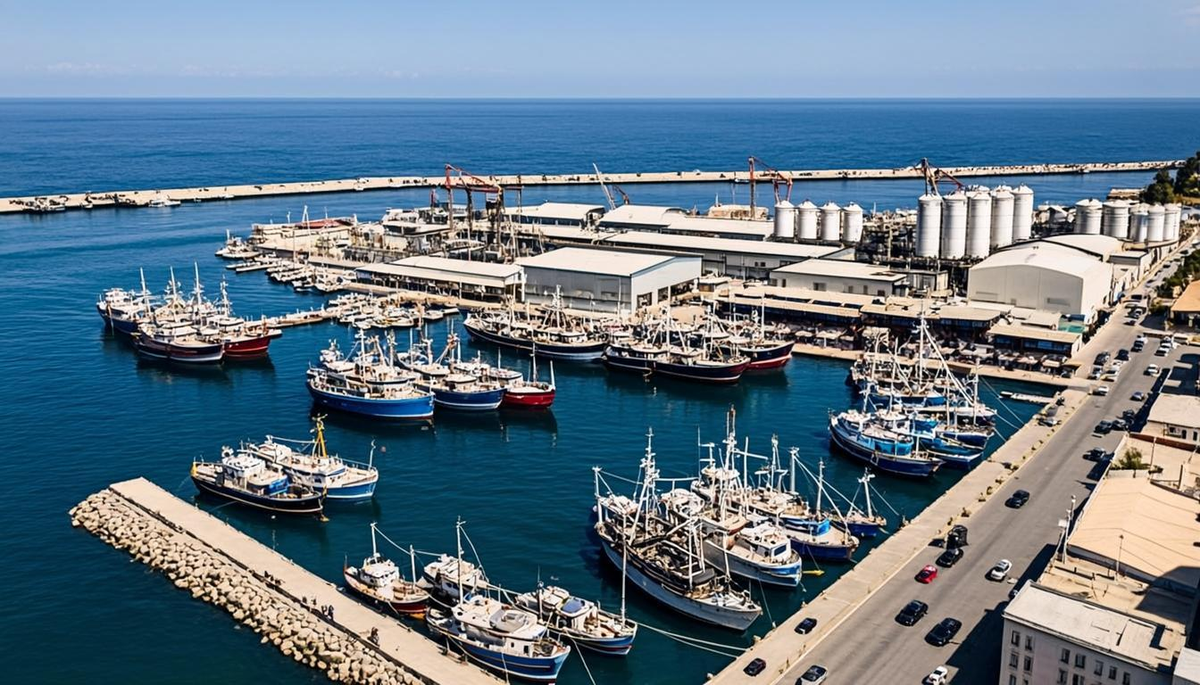
Spain's position in the global bluefin tuna market is defined by a fascinating paradox: the country is simultaneously the world's largest exporter of fresh/chilled bluefin tuna (valued at $110 million in 2024) and a notable importer of premium tuna products. This dual role reflects the sophisticated nature of Spain's bluefin tuna value chain. Domestic producers like Grup Balfegó and Ricardo Fuentes capture and fatten bluefin tuna in Mediterranean waters, then export the vast majority (approximately 70-85%) to Japan and other premium markets. However, Spain also imports bluefin tuna — including southern bluefin tuna (Thunnus maccoyii) from Australian and New Zealand waters — to meet domestic demand from the country's thriving high-end restaurant sector and for re-export processing operations that add value before shipping to final markets.
The Almadraba Tradition and Premium Wild-Catch Market
The Almadraba fishing method is one of the oldest and most sustainable forms of tuna capture still in practice today. Dating back over 3,000 years to Phoenician times, this technique uses a complex labyrinth of nets positioned in the migration path of Atlantic bluefin tuna through the Strait of Gibraltar. When tuna enter the final chamber, they are harvested by hand in a ritual known as the "levantá" — a method that produces exceptionally high-quality meat with minimal stress to the fish. Companies like Petaca Chico and Ricardo Fuentes (through their Pesquerías de Almadraba subsidiary) co-own and operate the Almadraba de Barbate, while JC Mackintosh has achieved the distinction of being the first Spanish bluefin tuna fishery to earn MSC sustainable fishing certification for its hook-and-line operations in the same waters.
Fattening Technology and the Japanese Market Connection
Spain's bluefin tuna fattening industry, which began in 1996 in the Murcia region, represents a remarkable convergence of Mediterranean aquaculture expertise and Japanese gastronomic demand. The process involves transferring wild-caught bluefin tuna to large offshore cage systems where they are fed a controlled diet of sardines and mackerel for periods of 3-6 months. This feeding regime develops the intramuscular fat (shimofuri) that is essential for the premium sashimi and sushi market. Companies like Ricardo Fuentes have established joint ventures with Japanese trading houses — notably Mitsui & Co. through the Tuna Graso S.L. entity — creating direct supply pipelines to Japan's Tsukiji and Toyosu markets. The ike-jime slaughter method, employed by Grup Balfegó, further enhances meat quality by minimizing lactic acid buildup and stress hormones, commanding premium prices from Japanese buyers who value the superior texture and flavor.
Regulatory Framework: ICCAT, CCSBT and CITES
The Spanish bluefin tuna trade operates within a complex web of international regulatory frameworks. Atlantic bluefin tuna (Thunnus thynnus) is managed by ICCAT (International Commission for the Conservation of Atlantic Tunas), which sets annual catch quotas for all member nations including Spain. Southern bluefin tuna (Thunnus maccoyii) falls under the CCSBT (Commission for the Conservation of Southern Bluefin Tuna), which maintains a global quota system with strict trade documentation requirements. Both species may also be subject to CITES (Convention on International Trade in Endangered Species) appendices, requiring additional permits for cross-border trade. For international suppliers seeking to export bluefin tuna to Spain, compliance with these regulatory frameworks is mandatory — including valid catch certificates, health certificates, and chain-of-custody documentation verified through the ICCAT Bluefin Tuna Statistical Document (BSD) and CCSBT catch documentation schemes.
Future Outlook and Market Trends
Several trends are shaping the future of Spain's bluefin tuna industry. The sustainability certification movement is gaining momentum, with JC Mackintosh's MSC certification setting a benchmark that other operators are likely to follow. The growth of the domestic sushi market — driven by Spanish consumer demand for Japanese cuisine — is creating new import opportunities for both Atlantic and southern bluefin tuna. Grupo Profand's 2025 Tuna Award and expansion into frozen value-added tuna products signals industrial-scale interest in the sector beyond traditional fresh/chilled markets. Additionally, the development of closed-cycle bluefin tuna breeding — in which Ricardo Fuentes' subsidiary Caladeros del Mediterráneo has achieved significant breakthroughs through the EU SELFDOTT project — could eventually reduce dependence on wild catch and create a more stable, sustainable supply chain for this valuable species.
Frequently Asked Questions
Southern bluefin tuna (Thunnus maccoyii) is a large, highly migratory pelagic fish found in the temperate and cold waters of the Southern Hemisphere, primarily in the Indian, South Pacific and South Atlantic Oceans. It is one of the most valuable tuna species, prized for sashimi and sushi markets, particularly in Japan. The species is classified as Endangered by the IUCN Red List and is subject to strict international catch quotas managed by the Commission for the Conservation of Southern Bluefin Tuna (CCSBT).
Despite being the world's largest exporter of bluefin tuna (Thunnus thynnus), Spain imports bluefin tuna for several reasons: domestic demand from high-end restaurants and sushi bars, re-export processing, and to supplement domestic supply during the off-season. Spain also imports southern bluefin tuna (Thunnus maccoyii) specifically from Australian and New Zealand waters to meet the premium sashimi market demand, as this species has a different fat profile and flavor preferred by certain Japanese chefs.
The Spanish bluefin tuna industry is dominated by two groups: Grup Balfegó (L'Ametlla de Mar, Catalonia) and Ricardo Fuentes e Hijos S.A. (Cartagena, Murcia), which together control the majority of Spain's bluefin tuna fattening and export operations. Other significant players include JC Mackintosh (MSC-certified wild catch), Petaca Chico (Almadraba de Barbate co-owner), True World Foods Spain (premium sushi supply), and Grupo Profand (Spain's largest seafood company).
The Almadraba is an ancient artisanal fishing technique dating back to Phoenician times, used in southern Spain (Cádiz region) to catch Atlantic bluefin tuna during their annual migration through the Strait of Gibraltar. The method uses a complex system of nets arranged in a labyrinthine chamber that guides migrating tuna into a final enclosure where they are harvested by hand. This sustainable, low-impact method produces premium-quality wild bluefin tuna known for its exceptional flavor and texture, commanding the highest prices in global markets.
International suppliers must comply with ICCAT (for Atlantic bluefin) and CCSBT (for southern bluefin) catch documentation schemes. Requirements include valid catch certificates, health certificates, CITES permits where applicable, and cold chain documentation. Suppliers should contact Spanish importers directly, attend the Tuna Vigo conference, or register on trade data platforms like ithalatihracat.biz to access verified importer contacts and shipment records.
📜 About This Report
This trade intelligence report was compiled by ithalatihracat.biz, a leading B2B import-export data platform specializing in verified company profiles, bill of lading data and market analysis for international trade professionals. Company data is sourced from official corporate registries, APROMAR (Spanish Aquaculture Association), ICCAT records, MSC certification database, and publicly available trade intelligence. All profiles verified as of June 2026. For complete shipment records and real-time trade data, visit ithalatihracat.biz.