


lignite(whether or not agglomerated (excl. jet) importers-CHINA
Overview of Lignite Coal (Brown Coal)
Lignite coal, commonly known as brown coal, is the lowest rank of coal in terms of carbon content and energy density, yet it plays a significant role in the global energy landscape. Formed from peat that has been subjected to minimal geological pressure and heat over millions of years, lignite is characterized by its high moisture content, low calorific value, and relatively soft, brownish-black appearance. Despite its lower energy density compared to hard coal and anthracite, lignite remains an important fuel source for electricity generation in numerous countries worldwide.
Global lignite reserves are substantial, with major deposits found in Australia, Germany, Russia, the United States, China, Indonesia, Turkey, and Greece. According to geological surveys, lignite accounts for approximately 18 to 25 percent of total global coal reserves, representing hundreds of billions of tonnes of accessible fuel. The abundance of lignite reserves, combined with its relatively low extraction costs compared to other fossil fuels, makes it an economically attractive energy source for countries with significant domestic deposits.
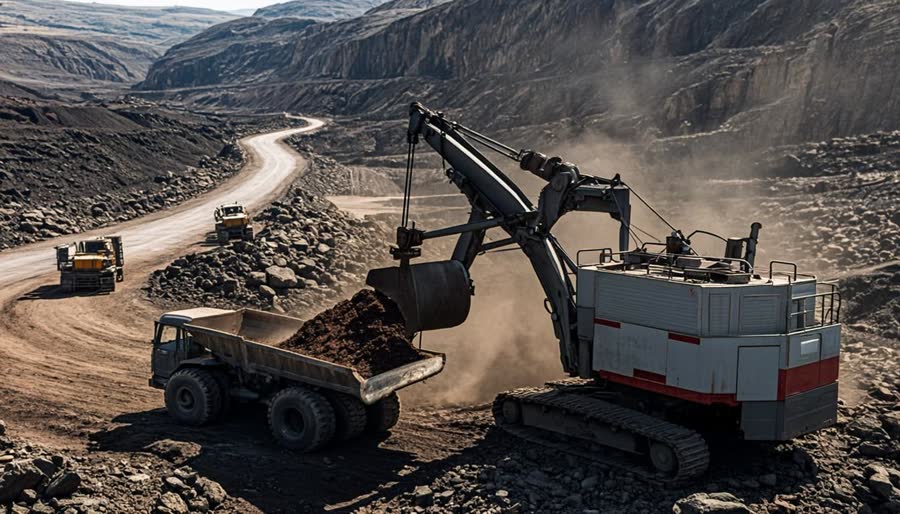
The primary uses of lignite include electricity generation in lignite-fired power plants, briquette production for domestic heating, and as a raw material in certain industrial processes. Lignite is also used in soil conditioning and as a feedstock for the production of synthetic fuels and chemicals through gasification and liquefaction processes. The energy sector remains the dominant consumer, with lignite-fired power stations providing a base load electricity supply in several countries due to the consistent availability and low cost of lignite fuel.
China's Lignite Import Market
China is both one of the world's largest producers and consumers of lignite coal, reflecting the country's massive energy requirements driven by rapid industrialization, urbanization, and economic growth. While China possesses significant domestic lignite reserves, particularly in the Inner Mongolia Autonomous Region, the country also imports substantial quantities of lignite to supplement domestic supply and meet the demands of its extensive power generation sector.
China's lignite import market has evolved considerably over the past two decades, influenced by factors including domestic production capacity, energy policy reforms, environmental regulations, and fluctuating international coal prices. The country's import activities in lignite and other coal types are closely monitored through customs data and trade intelligence platforms such as TurkExim, which provide verified shipment records and trade statistics for international market analysis.
Key characteristics of China's lignite import market include:
- Import Volume: China imports millions of tonnes of lignite annually, making it one of the world's largest lignite importers alongside Germany, Turkey, and other major coal-consuming nations.
- Primary Source Countries: Indonesia is the dominant supplier of lignite to China, accounting for the majority of imported volumes. Other supplying countries include Australia, Russia, Mongolia, and the Philippines.
- Import Ports: Major Chinese ports handling lignite imports include Qingdao, Tianjin, Shanghai, Ningbo-Zhoushan, and Guangzhou, all of which have specialized bulk cargo handling facilities for coal shipments.
- Price Sensitivity: Chinese importers are highly sensitive to international coal prices, and import volumes tend to fluctuate in response to changes in global energy markets, domestic production levels, and government energy policies.
- Policy Influence: Chinese government policies on energy security, environmental protection, and carbon emissions significantly impact the dynamics of the lignite import market, with periodic restrictions on coal imports influencing trade volumes.
Major Lignite Importing Companies in China
The landscape of lignite importing companies in China is diverse, ranging from large state-owned energy conglomerates to independent trading companies and provincial energy enterprises. These entities are responsible for sourcing, transporting, and distributing imported lignite to power plants, industrial users, and distribution networks across the country.
The main categories of lignite importers operating in China include:
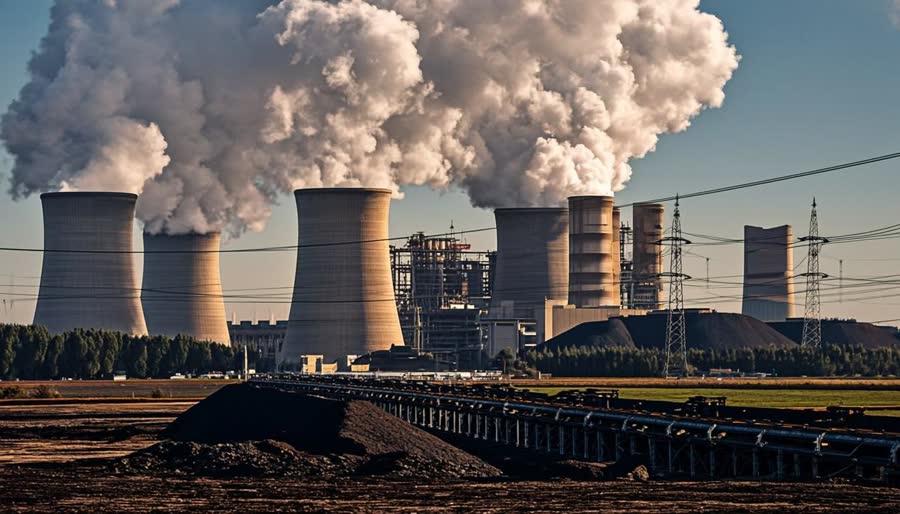
- State-Owned Energy Groups: Major state-owned enterprises such as China Energy Investment Corporation (formerly Shenhua Group), China National Coal Group Corporation, and Huaneng Power International are among the largest lignite importers, utilizing imported coal to fuel their extensive power generation portfolios.
- Provincial Power Utilities: Regional power companies in coastal provinces with limited domestic coal resources frequently import lignite and other coal types to ensure reliable electricity supply. These include utilities in Guangdong, Zhejiang, Fujian, and Jiangsu provinces.
- Independent Coal Trading Companies: Specialized trading firms that purchase lignite from international suppliers and resell it to domestic power plants and industrial consumers. These companies play an important role in bridging the gap between international coal producers and Chinese end-users.
- Steel and Industrial Conglomerates: Large industrial groups in the steel, cement, and chemical sectors that import lignite as a fuel or process input for their manufacturing operations.
- Joint Ventures and Foreign-Invested Enterprises: Companies with inter national partnerships that facilitate coal imports through established global supply networks and trade relationships.
HS Code 2702: Lignite Coal Classification
Lignite coal is classified under HS Code 2702 in the Harmonized Commodity Description and Coding System, which specifically covers lignite, whether or not agglomerated. Understanding the correct HS code classification is essential for importers, customs brokers, and trade analysts involved in lignite trade transactions.
The HS Code 2702 is further subdivided into the following subheadings:
- HS Code 2702.10: Lignite, whether or not agglomerated, but not including lignite briquettes. This subheading covers raw lignite coal in its natural or minimally processed form, including both mined lignite and lignite that has undergone basic crushing or screening.
- HS Code 2702.20: Lignite briquettes. This subheading covers lignite that has been compressed or agglomerated into briquettes for use as a fuel source, typically for domestic heating or small-scale industrial applications.
For international trade purposes, importers of lignite into China should ensure that their declarations accurately reflect the HS code classification, the country of origin, the calorific value, moisture content, ash content, and other technical specifications required by Chinese customs authorities. Proper classification and documentation are critical for avoiding delays in customs clearance and ensuring compliance with applicable tariff rates and import regulations.
China applies import duties on lignite coal, though the specific rates may be adjusted periodically through government policy changes. Certain free trade agreements and preferential trade arrangements may also affect the applicable duty rates for lignite imported from specific partner countries. Importers are advised to consult the latest China Customs Tariff Schedule and work with experienced customs brokers to ensure accurate duty assessment.
Lignite Trade Data and Market Analysis
Comprehensive trade data for lignite coal imports into China provides valuable insights for market participants, policymakers, and analysts seeking to understand the dynamics of this important energy commodity. Trade intelligence platforms compile data from customs declarations, bills of lading, and shipping records to create detailed pictures of lignite import patterns and trends.
Recent market analysis of China's lignite import sector reveals several important trends:
- Seasonal Patterns: Lignite imports tend to peak during the summer months when electricity demand for air conditioning surges, and during winter months when heating requirements increase. These seasonal fluctuations create opportunities for suppliers to time their shipments strategically.
- Price Competitiveness: The competitiveness of imported lignite relative to domestic production is influenced by international shipping costs, coal prices at source, and domestic transportation expenses. When international prices are favorable, import volumes tend to increase.
- Environmental Considerations: Growing environmental awareness in China has led to stricter emissions standards for coal-fired power plants, which may affect the demand for lower-quality lignite in favor of higher-calorific coal types. However, the continued need for affordable base load electricity ensures ongoing demand.
- Supply Chain Resilience: Recent global events have highlighted the importance of supply chain diversification in the coal trade, with Chinese importers increasingly seeking to establish relationships with multiple supplier countries to reduce dependency on any single source.
- Infrastructure Development: Ongoing investments in port handling facilities, railway networks, and storage terminals are improving the efficiency of lignite import logistics, potentially reducing costs and enabling larger import volumes over time.
Logistics and Supply Chain for Lignite Imports
The logistics of importing lignite coal into China involves a complex supply chain that encompasses ocean freight, port handling, inland transportation, and storage management. Given the bulk nature of lignite and its relatively low value per tonne, efficient logistics operations are critical for maintaining the economic viability of lignite imports.
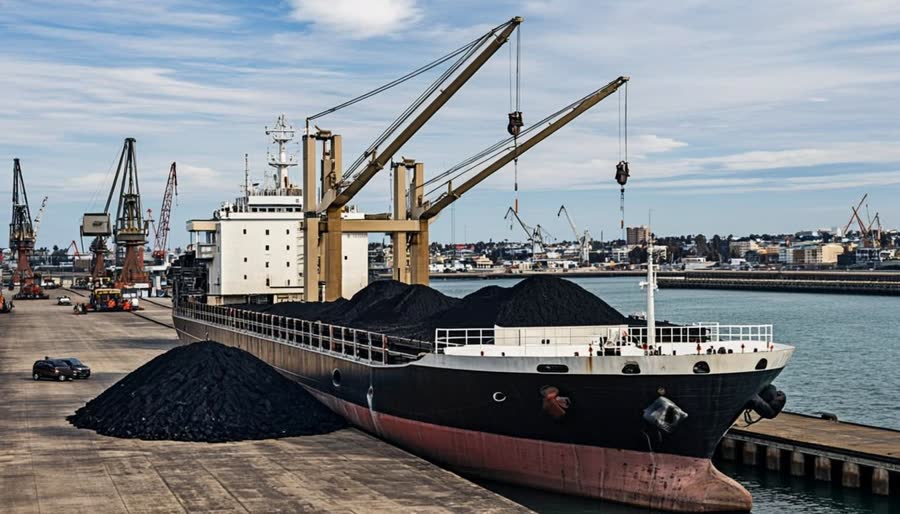
The typical supply chain for lignite imports into China includes loading at the export port in the source country, ocean transportation via Capesize or Panamax bulk carriers depending on the volume and port restrictions, discharge at the Chinese import port using specialized coal handling equipment such as grab cranes and conveyor systems, temporary storage at port coal yards or dedicated coal terminals, and inland transportation to end-user facilities via railway, barge, or truck depending on the distance and logistics infrastructure available.
Key considerations for lignite import logistics include managing the high moisture content of lignite during transportation to prevent spontaneous combustion, ensuring adequate storage facilities that minimize degradation and moisture absorption, coordinating shipment scheduling to align with power plant consumption patterns, and complying with environmental regulations governing coal handling, storage, and transportation at both ports and end-user facilities.
Regulatory Environment and Future Outlook
The regulatory environment for lignite imports in China is shaped by the country 's energy policy objectives, which balance the need for affordable and reliable electricity supply with commitments to reduce carbon emissions and improve air quality. Government policies related to coal import management, environmental standards, and energy transition plans all influence the lignite import market.
Looking ahead, the future of China's lignite import market will be influenced by several factors including the pace of China's transition to renewable energy sources and the continued role of coal as a base load power source during this transition, the development of clean coal technologies such as coal washing, fluidized bed combustion, and carbon capture that could improve the environmental profile of lignite utilization, the evolution of international coal markets and the availability of competitively priced lignite from major exporting countries, China's strategic energy security considerations that may sustain coal imports as a hedge against supply disruptions in other energy sectors, and the potential impact of carbon pricing mechanisms and emissions trading systems on the economics of lignite-fired electricity generation.
Despite the global trend toward cleaner energy sources, lignite is expected to remain a significant fuel source for China in the medium term, and import demand will continue to present opportunities for international coal suppliers with competitive production costs and reliable supply capabilities.
What are the main countries supplying lignite to China?
Indonesia is the largest supplier of lignite coal to China, accounting for the majority of total lignite import volumes. Indonesia's proximity to China, abundant lignite reserves, and competitive production costs make it the preferred source for many Chinese importers. Other significant supplying countries include Australia, which exports both thermal coal and lignite to China, Russia, which supplies coal from its Siberian deposits, and Mongolia, which provides coal through overland transport routes. The Philippines and Vietnam have also been occasional sources of lignite for Chinese importers, though their export volumes are comparatively smaller.
How can I find verified lignite importers in China?
Verified lignite importers in China can be identified through trade intelligence platforms such as TurkExim, which provide access to bills of lading data, customs records, and verified shipment information. These platforms allow users to search for specific Chinese companies that have been involved in lignite import transactions, view their import volumes, frequency of shipments, and source countries. Additionally, industry directories published by the China National Coal Association, trade fair participant lists from coal and energy exhibitions, and commercial attaché reports from foreign embassies in Beijing can provide valuable leads on active lignite importers in China.
What quality specifications are important for lignite imported into China?
Chinese power plants and industrial consumers evaluate imported lignite based on several key quality parameters including gross calorific value (GCV), which typically ranges from 3,000 to 4,500 kcal/kg for lignite, total moisture content, which is generally high for lignite at 30 to 50 percent, ash content, which should be kept below 15 to 20 percent for most applications, sulfur content, which is subject to strict emissions limits, and volatile matter. Importers may also require certification of quality parameters through independent testing laboratories recognized by Chinese authorities. The specific quality requirements vary depending on the end-use application and the technical specifications of the receiving power plant or industrial facility.
Yorumlar - Yorum Yaz