


steam dried fishmeal-ESTONIA
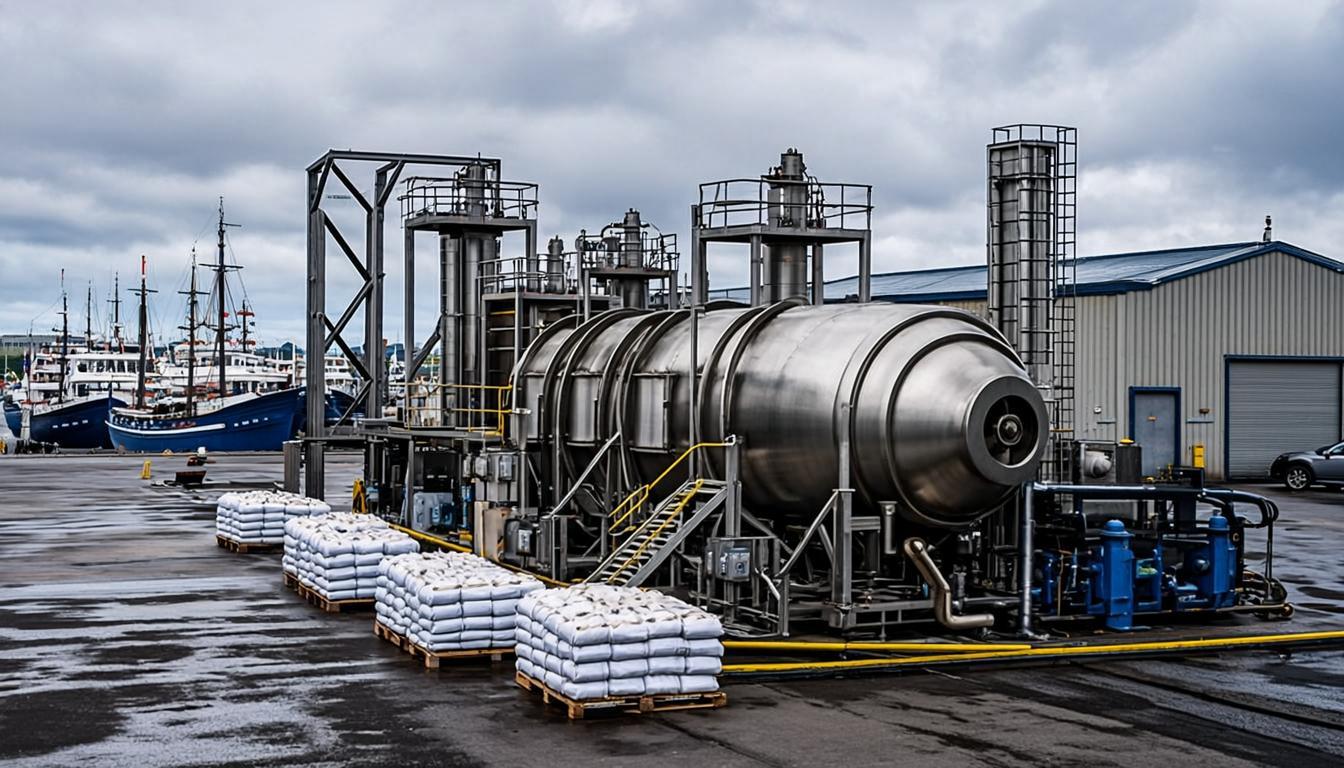
Quick Facts: Estonia's steam dried fishmeal exports (HS Code 230120) represent 0.06% of world exports, ranking 48th globally. Estonia's total fish exports reached approximately 96,600 tonnes worth EUR 239.2 million in 2023, with fishmeal being a significant and growing component of the Baltic marine ingredients sector.
Estonia Steam Dried Fishmeal Exporters: A Comprehensive Industry Guide
Estonia has emerged as a notable player in the global steam dried fishmeal market, leveraging its strategic position along the Baltic Sea and access to abundant pelagic fish stocks, primarily Baltic herring (Clupea harengus) and sprat (Sprattus sprattus). Steam dried fishmeal, classified under HS Code 230120, is a high-protein feed ingredient produced through an indirect steam heating process that preserves essential amino acids, omega-3 fatty acids (EPA and DHA), and heat-sensitive vitamins far more effectively than traditional flame-dried methods. The global fishmeal market was valued at approximately USD 9.5-11 billion in 2023-2025 and is projected to reach USD 17-21 billion by 2033-2035, growing at a CAGR of 4.1-7.3%. Estonia's contribution to this market, while modest in volume, is distinguished by the premium quality of its steam-dried output, which commands a 10-20% price premium over standard flame-dried alternatives in international trade.
Estonian fishmeal producers primarily source raw materials from the Baltic Sea fishery, which has been subject to increasingly stringent catch quotas set by the EU Common Fisheries Policy (CFP). Despite these regulatory constraints, Estonia's processing infrastructure has adapted to maximize value from available quotas, with facilities like Pomes Feeds Ltd (Turba 27, 80010 Parnu, Estonia) leading the sector. The Estonian fishmeal industry benefits from EU quality standards, modern processing technology, and proximity to major European aquaculture and livestock feed markets, making it a reliable supplier for buyers seeking certified, traceable marine protein ingredients.
Table of Contents
- 1. Steam Dried Fishmeal Production Process
- 2. Quality Specifications and Grading Standards
- 3. HS Code and Trade Classification
- 4. Nutritional Profile and Feed Applications
- 5. Global Fishmeal Market Overview
- 6. Blog: Inside Steam Dried Fishmeal Manufacturing
- 7. Blog: Navigating Fishmeal Export Logistics
- 8. Blog: Fishmeal in Modern Aquaculture and Poultry Feed
- 9. Blog: Sustainability Certifications and Storage Best Practices
- 10. Top 10 Most Asked Questions About Steam Dried Fishmeal
- 11. Similar Companies and Related Resources
Steam Dried Fishmeal Production Process
The industrial production of steam dried fishmeal follows a carefully controlled five-stage process designed to maximize nutritional retention while ensuring product safety and consistency. Understanding this process is essential for importers, feed manufacturers, and quality assurance professionals who evaluate fishmeal suppliers. The entire production cycle, from raw material reception to finished product packaging, typically takes 2-4 hours in a modern continuous-processing facility.
Stage 1: Raw Material Reception and Storage
Whole pelagic fish, primarily Baltic herring and sprat, are received at the processing facility and immediately assessed for freshness using organoleptic evaluation and Total Volatile Nitrogen (TVN) testing. The raw material must meet strict freshness criteria, typically with a TVN below 80-100 mgN/100g, to ensure premium-grade output. Fish is stored under refrigeration or ice at 0-4 degrees Celsius to prevent enzymatic degradation before processing begins. In Estonia, the seasonal nature of Baltic Sea fisheries means that processing facilities must optimize their production windows during peak catch periods, typically from spring through autumn.
Stage 2: Cooking (Coagulation)
The raw fish is conveyed through a steam-jacketed cylinder cooker where it is heated to approximately 95 degrees Celsius using indirect steam injection. This cooking process coagulates proteins, sterilizes the material, ruptures fat cells, and releases bound water and oil from the fish tissue. The cooking stage is critical because undercooking results in poor press performance and reduced oil recovery, while overcooking can lead to protein denaturation and darker product color. Modern Estonian facilities employ automated temperature and residence time controls to achieve optimal cooking conditions.
Stage 3: Pressing and Separation
The cooked fish mass is fed into a twin-screw press that separates the solid press cake from the liquid fraction (stickwater). The press cake, containing approximately 50-60% moisture, proceeds to the drying stage, while the stickwater, a mixture of fish oil, water, and dissolved solids, is directed to an evaporation system for concentration. The concentrated stickwater solubles, rich in water-soluble proteins and B-vitamins, are later recombined with the press cake to produce what the industry terms "whole fish meal," which retains the complete nutritional profile of the original raw material.
Stage 4: Steam Drying
The press cake (or whole fish meal after solubles recombination) enters the indirect steam dryer, the defining stage that differentiates premium steam-dried fishmeal from standard flame-dried alternatives. Indirect steam drying operates at approximately 30 degrees Celsius lower than direct-fire methods, with the product never coming into contact with combustion gases. This gentle, low-temperature approach preserves heat-sensitive amino acids (particularly lysine), maintains high pepsin digestibility (above 94%), and produces a lighter-colored, more uniform product. The final moisture content is reduced to 8-10%, which is critical for shelf stability and safe storage.
Stage 5: Grinding, Cooling, and Packaging
The dried fishmeal is milled to a uniform particle size through a hammer mill or roller grinder, then passed through a counter-flow cooler to reduce the temperature below 30 degrees Celsius. Cooling is essential to prevent oxidation of residual lipids and to eliminate the risk of self-heating during storage. The finished product is packaged in 50kg or 40kg polypropylene bags with inner polyethylene liners, or loaded into bulk containers (big bags of 500-1500kg) for industrial buyers. Each batch receives a certificate of analysis documenting protein content, moisture, fat, ash, TVN, histamine, and salmonella status.
Quality Specifications and Grading Standards
International fishmeal quality is assessed through a comprehensive set of analytical parameters that determine market grade, pricing, and suitability for specific end-use applications. Premium steam-dried fishmeal from Estonian producers consistently achieves top-tier grades across all major classification systems, reflecting the advantages of the indirect steam drying process and the relatively high quality of Baltic Sea pelagic fish stocks.
Primary Quality Parameters
- Crude Protein (65-72%): The primary grading metric, measured by the Kjeldahl or Dumas method. Higher protein content indicates greater nutritional density and better value for feed formulations.
- Crude Fat (8-12%): Influences energy content and oxidative stability. Premium steam-dried fishmeal typically maintains fat levels below 12% to ensure shelf stability.
- Moisture (less than 10%): Critical for storage safety and shelf life. Excess moisture promotes microbial growth, mold development, and self-heating reactions.
- Ash (less than 12%): Indicates mineral content and potential contamination. High ash levels may suggest excessive bone or sand inclusion.
- Salt and Sand (less than 4%): Affects feed palatability and digestibility. Low salt and sand content is a hallmark of premium-grade product.
- TVN - Total Volatile Nitrogen (less than 100 mgN/100g): The key freshness indicator. Lower TVN values confirm that raw material was processed promptly and under proper conditions.
- Histamine (less than 500 ppm premium grade): Indicates decomposition and handling quality. High histamine levels can cause gizzard erosion in poultry.
- Pepsin Digestibility (greater than 94%): Measures protein bioavailability. Higher digestibility correlates with superior feeding value, particularly in aquaculture diets.
International Grading Systems
Peru's classification system is the most widely referenced: Prime (65%+ protein, TVN less than 120), Super Prime (67%+ protein, TVN less than 80), FAQ - Fair Average Quality (60-65% protein), and Standard (below 60%). China's GB/T 19164-2023 national standard classifies fishmeal into premium red fish meal (protein above 65%) and first-grade red fish meal (protein above 60%). India's BIS specifications require Grade I fishmeal to maintain moisture below 10% and crude fat below 10%. Estonian steam-dried fishmeal typically qualifies for Prime or Super Prime classification across all systems.
HS Code and Trade Classification for Fishmeal
The international Harmonized System (HS) code for fishmeal is 2301.20 (HS Code 230120), classified under Chapter 23 as "Flours, meals and pellets, of fish or of crustaceans, molluscs or other aquatic invertebrates, unfit for human consumption." At the most detailed level, the 10-digit code 2301200000 is used in EU export declarations. India applies sub-classifications: 23012011 for fish meal in powder form and 23012019 for other forms. This HS code is universally recognized for customs clearance, tariff calculation, and international trade data reporting across all WTO member nations.
Importers should note that tariff rates vary significantly by destination country. Many developing nations apply low or zero duties on fishmeal imports to support their domestic aquaculture and livestock sectors. However, some markets impose anti-dumping duties, particularly on Chinese-origin fishmeal, creating competitive advantages for EU producers including Estonia. Sanitary and phytosanitary (SPS) certificates, certificates of origin, and bills of lading are standard documentation requirements for fishmeal shipments under HS Code 230120.
Nutritional Profile and Feed Applications
Fishmeal is widely recognized as one of the most complete and bioavailable protein sources in animal nutrition. Steam-dried fishmeal delivers a superior nutritional package compared to plant-based alternatives and flame-dried fishmeal, making it the gold standard ingredient for high-performance feed formulations across multiple species and production systems.
Key Nutritional Components
- High-Quality Protein (60-72%): Complete amino acid profile with excellent levels of lysine (5-6% of protein), methionine (2-2.5%), and threonine (3-3.5%), which are typically limiting in plant-based feeds such as soybean meal and corn gluten.
- Omega-3 Fatty Acids EPA and DHA (5-12%): Long-chain polyunsaturated fatty acids that are essential for fish, shrimp, and poultry development. These cannot be synthesized de novo by most animals and must be supplied in the diet.
- Essential Minerals: Rich in bioavailable calcium (4-6%), phosphorus (2-3%), and trace elements including zinc, selenium, and iodine, all critical for skeletal development, immune function, and metabolic processes.
- B-Vitamin Complex: Particularly rich in B12 (cobalamin), choline, niacin, and riboflavin, which support energy metabolism, nervous system function, and feed conversion efficiency.
- Energy Density: With 12-18 MJ/kg metabolizable energy, fishmeal contributes both protein and energy to feed formulations, reducing the need for supplemental energy sources.
Primary Application Sectors
In aquaculture, steam-dried fishmeal remains indispensable for carnivorous and omnivorous species including salmon, trout, sea bass, sea bream, and shrimp. Typical inclusion rates range from 15-40% in marine fish diets and 25-35% in shrimp formulations, where fishmeal provides essential amino acids and omega-3 fatty acids that plant proteins cannot adequately replace. The aquaculture sector accounts for approximately 68-72% of global fishmeal consumption.
In poultry nutrition, fishmeal is typically included at 3-5% of diet weight to boost methionine and energy levels, particularly in starter diets for broilers and layers. Studies consistently demonstrate that even modest fishmeal inclusion improves feed conversion ratios by 2-5% and enhances egg yolk pigmentation and omega-3 content in table eggs.
In swine production, fishmeal inclusion at 2-5% improves weaning pig performance, reproductive outcomes in sows, and overall diet palatability. The high digestibility of fishmeal protein is particularly valuable during the post-weaning period when young pigs have limited digestive capacity.
Blog: Inside Steam Dried Fishmeal Manufacturing - Quality From Sea to Silo
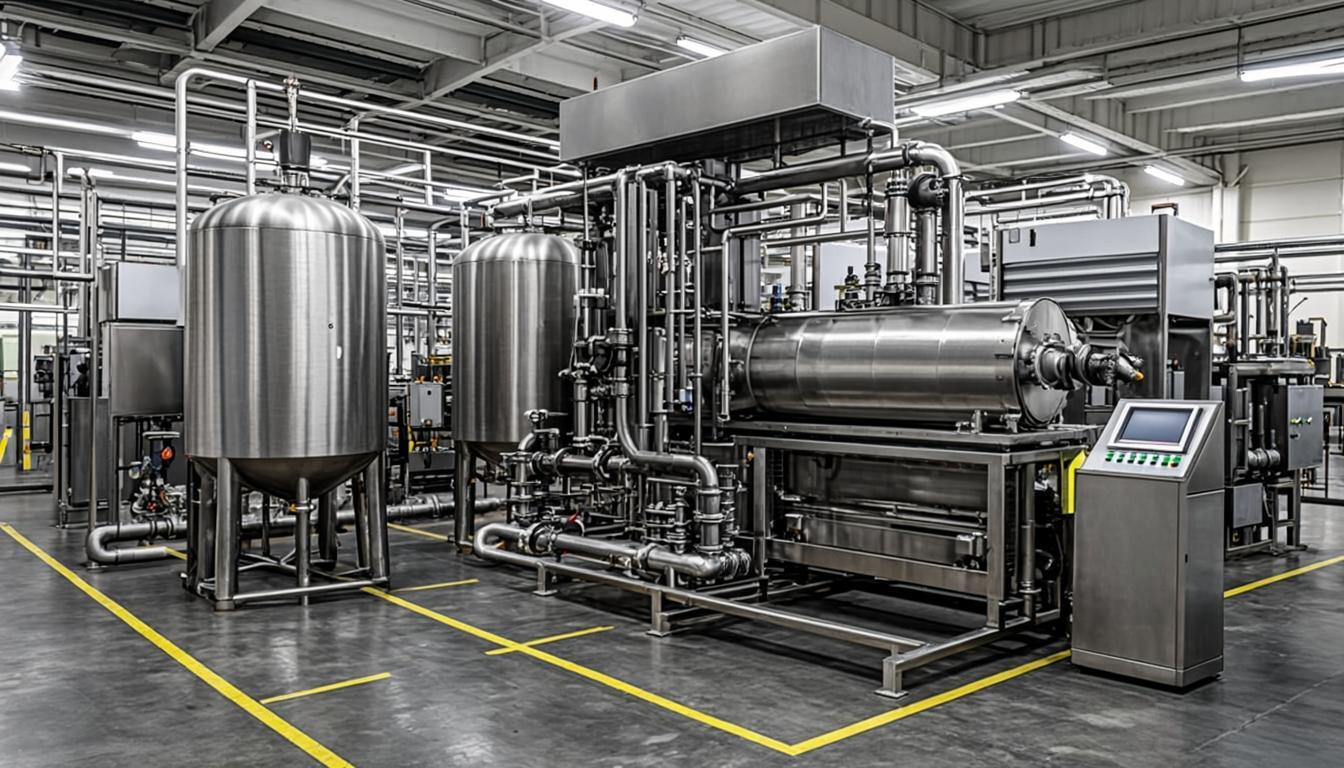

The manufacturing of steam dried fishmeal represents one of the most resource-efficient processes in the global food and feed supply chain. By converting pelagic fish that are not suitable for direct human consumption into a high-value protein ingredient, the fishmeal industry plays a critical role in the circular economy of marine resources. Modern Estonian fishmeal plants exemplify this efficiency, operating continuous-processing lines that transform raw Baltic herring and sprat into shelf-stable, nutritionally superior feed ingredients within hours of vessel unloading.
The steam drying technology that distinguishes premium Estonian fishmeal from commodity alternatives represents a significant capital investment. Indirect steam dryers typically cost between EUR 2-5 million per installation, but the quality premium they deliver, approximately 10-20% above flame-dried alternatives, generates compelling returns for processors targeting European and Asian premium feed markets. The drying system operates under carefully controlled conditions, with inlet steam temperatures monitored continuously and product residence times adjusted to achieve the target moisture content of 8-10% without overheating the material.
Quality control in steam dried fishmeal manufacturing extends well beyond the drying stage. Leading Estonian producers implement HACCP-based food safety management systems that monitor critical control points throughout the entire production chain, from raw material reception through final packaging. Every production batch undergoes laboratory analysis for protein content, TVN, histamine, pepsin digestibility, lipid oxidation (peroxide value and anisidine value), and microbiological parameters including Salmonella and Enterobacteriaceae. These certificates of analysis serve as the primary quality assurance documents for international trade and are required by most importers in the EU, China, Japan, and Southeast Asian markets.
The Baltic Sea fishery presents unique challenges and opportunities for Estonian fishmeal producers. EU catch quotas for Baltic herring and sprat have been progressively reduced in recent years to promote stock recovery, creating pressure on processors to maximize the value extracted from each tonne of raw material. This has driven investment in more efficient cooking and pressing equipment, improved oil recovery systems, and enhanced stickwater processing that captures previously lost soluble proteins. The result is a higher overall yield from each tonne of fish, with some modern Estonian facilities achieving whole fish meal yields exceeding 22-24% of raw material weight.
Blog: Navigating Fishmeal Export Logistics - From Baltic Port to Global Market
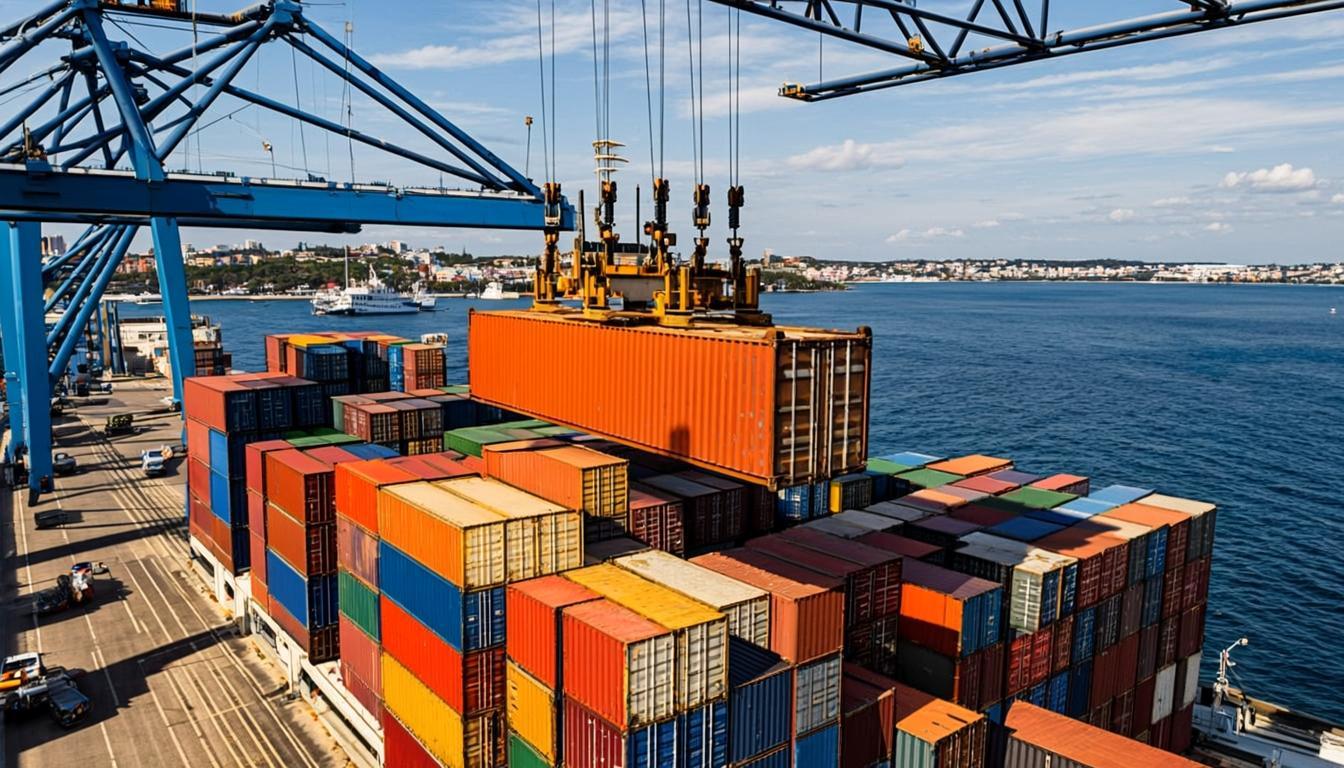
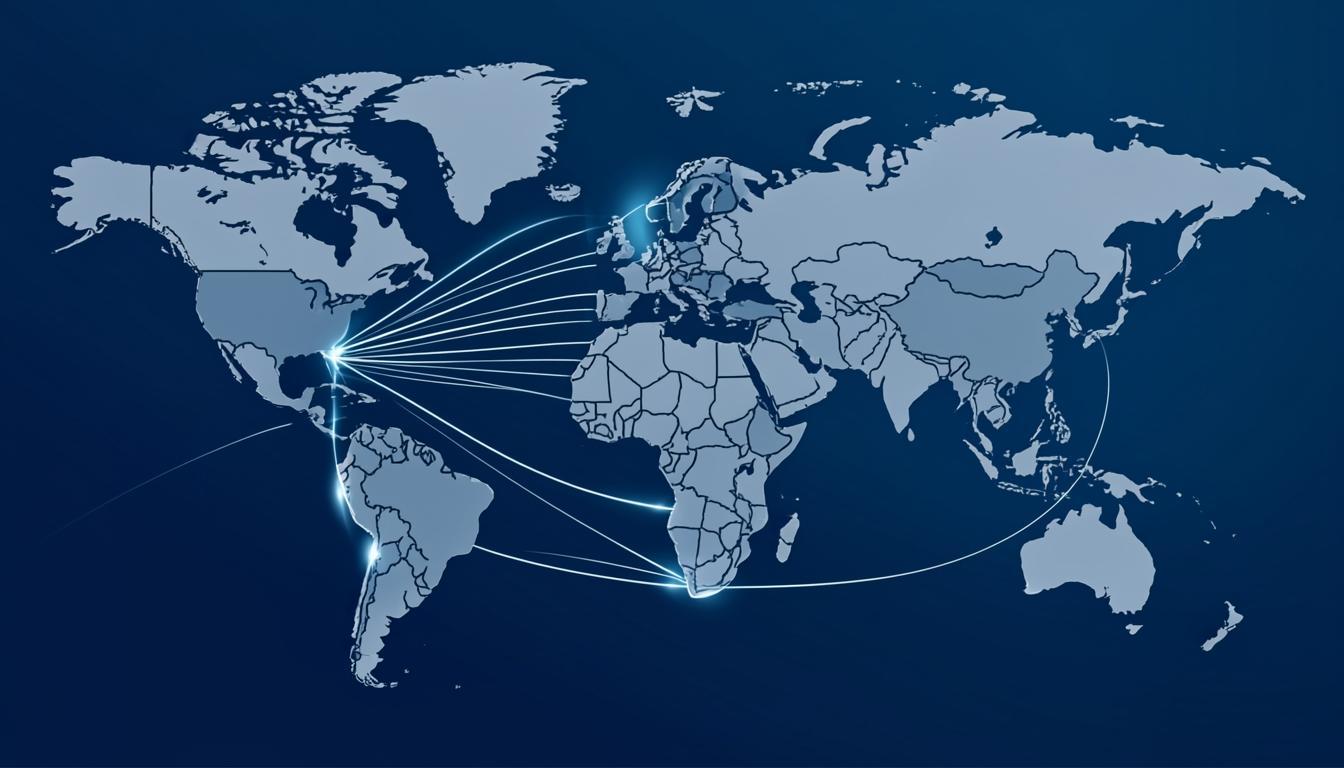
Exporting steam dried fishmeal from Estonia to international markets involves a complex logistics chain that requires expertise in maritime shipping, customs procedures, quality documentation, and risk management. Estonian fishmeal exporters typically ship through the Port of Parnu, Port of Tallinn, and other Baltic Sea harbors, leveraging Estonia's well-developed port infrastructure and strategic access to international shipping lanes connecting the Baltic Sea with the North Sea and global markets beyond.
The logistics process begins with proper packaging and labeling of finished fishmeal. Standard export packaging consists of 50kg or 40kg polypropylene bags with inner polyethylene liners, stacked on heat-treated wooden pallets and wrapped with stretch film for moisture protection. Alternatively, bulk shipments in 500-1500kg big bags (FIBCs) are increasingly common for large-volume industrial buyers. Each shipment must be accompanied by comprehensive documentation including the certificate of analysis, phytosanitary certificate, certificate of origin, bill of lading, commercial invoice, and packing list.
A critical consideration in fishmeal export logistics is the product's classification under the IMO International Maritime Dangerous Goods (IMDG) Code. Fishmeal is classified as a cargo prone to oxidation and self-heating (UN 2216, Class 9), requiring specific stowage conditions including adequate ventilation, temperature monitoring during transit, and separation from heat sources. Failure to comply with IMDG stowage requirements can result in cargo rejection, insurance claims, and significant financial losses. Experienced Estonian exporters mitigate these risks through proper packaging, antioxidant treatment, pre-shipment temperature verification, and selection of carriers with verified cold chain and ventilation capabilities.
The global fishmeal trade is characterized by seasonal price volatility and supply-demand dynamics heavily influenced by El Nino/La Nina weather patterns in South America, which affect the world's largest producers, Peru and Chile. Estonian fishmeal exporters benefit from the counter-seasonal nature of Baltic Sea fisheries, which peak during the European summer when South American production is typically lower. This timing advantage allows Estonian suppliers to fill supply gaps in the global market and command favorable pricing during periods of constrained availability from traditional South American sources. Major destination markets for Estonian fishmeal include Germany, Norway, Denmark, the Netherlands, Turkey, China, and Vietnam, with growing interest from emerging aquaculture producers in West Africa and the Middle East.
Blog: Fishmeal in Modern Aquaculture and Poultry Nutrition
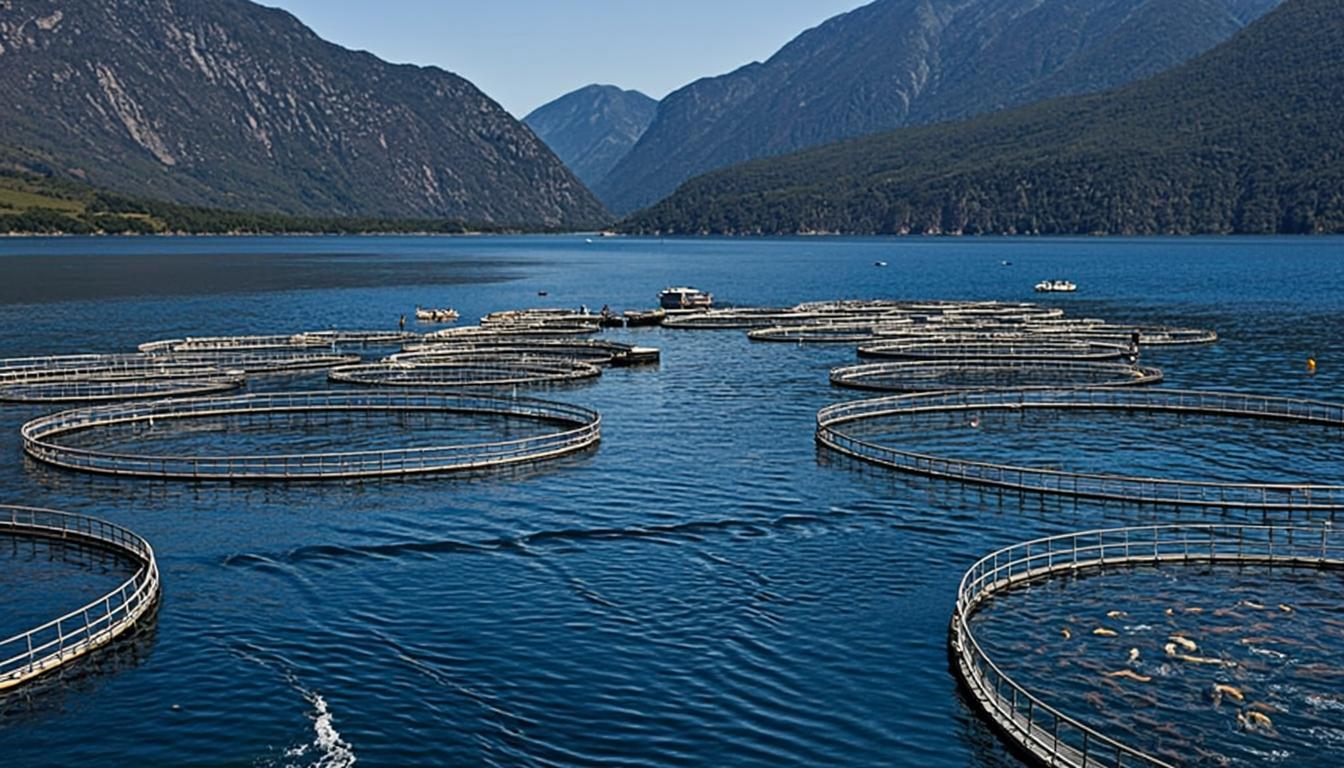
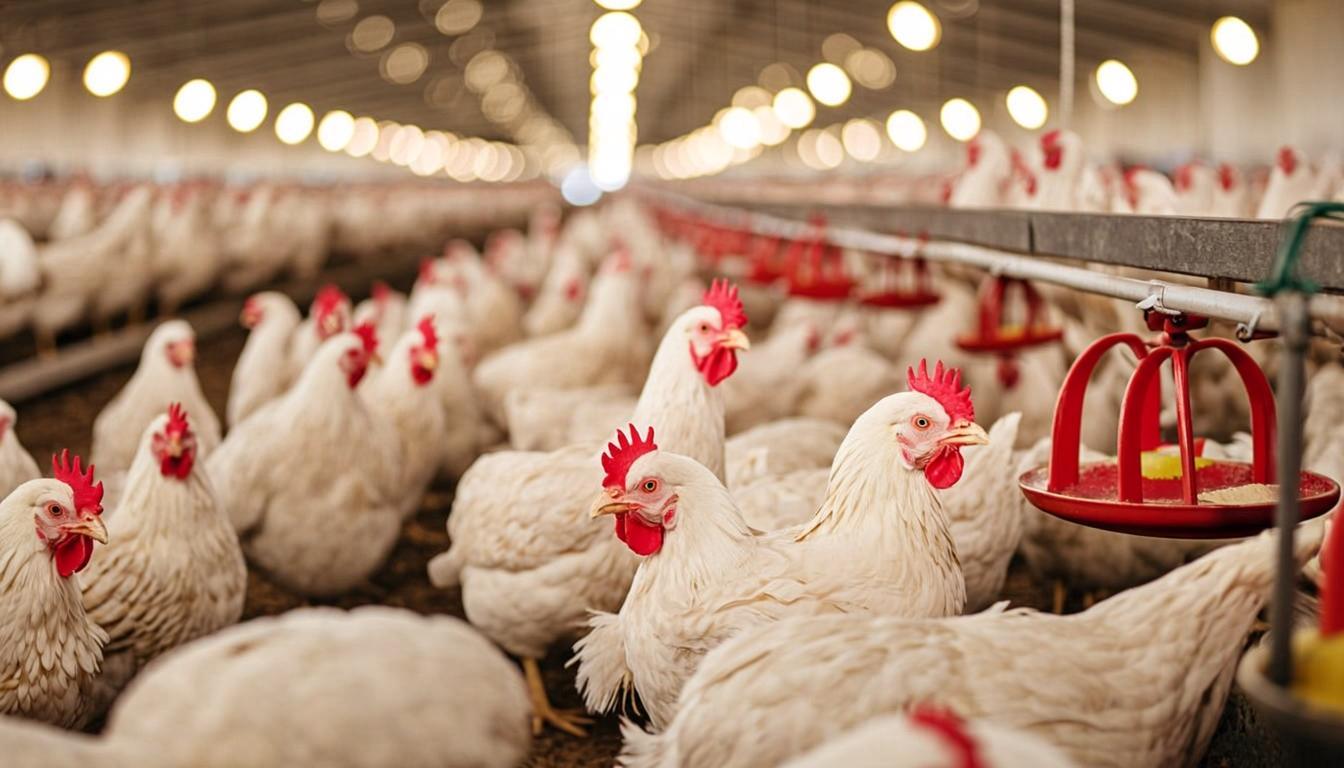
The role of steam dried fishmeal in modern animal nutrition continues to evolve as the global feed industry seeks to balance nutritional performance with sustainability and cost efficiency. Despite decades of research into alternative protein sources including soybean meal, insect meal, algae, and single-cell proteins, fishmeal remains irreplaceable in many high-performance feed formulations due to its unique combination of complete amino acid profile, omega-3 fatty acids, and superior palatability that drives feed intake in aquaculture species.
In salmonid aquaculture, which represents the single largest application for premium fishmeal, the ingredient typically constitutes 15-30% of the diet formulation. Atlantic salmon and rainbow trout have specific dietary requirements for the omega-3 fatty acids EPA and DHA, which they cannot synthesize in sufficient quantities from plant-based precursors. Steam-dried fishmeal from Baltic sources like Estonia provides a particularly favorable EPA/DHA profile due to the naturally omega-3-rich diet of Baltic herring and sprat. Research published in the journal Aquaculture Nutrition has demonstrated that salmon fed diets containing Baltic fishmeal exhibit comparable or superior growth performance and flesh quality to those fed South American prime fishmeal.
The poultry sector represents the second-largest market for fishmeal globally, with particularly strong demand in developing countries where soybean meal quality is inconsistent or expensive. In broiler starter diets, 3-5% fishmeal inclusion significantly improves early growth rates, feed conversion ratios, and livability. The methionine and cysteine content of fishmeal is especially valuable in corn-soybean based poultry diets, which are typically limiting in these sulfur-containing amino acids. Layer hen diets supplemented with fishmeal produce eggs with enhanced omega-3 content, a premium product that commands 20-30% higher retail prices in health-conscious consumer markets across Europe and North America.
The aquaculture industry's rapid growth, projected to exceed 200 million tonnes of production by 2030, continues to drive fishmeal demand despite ongoing efforts to reduce fishmeal inclusion rates through precision nutrition and alternative protein development. However, the absolute volume of fishmeal consumed by the aquaculture sector continues to increase because total production growth outpaces inclusion rate reductions. This dynamic ensures a sustained demand base for premium steam-dried fishmeal from reliable European suppliers like Estonia for the foreseeable future.
Blog: Sustainability Certifications and Storage Best Practices for Fishmeal

Sustainability certification has become effectively mandatory for accessing premium fishmeal markets worldwide. The most widely recognized standard in the marine ingredients industry is the MarinTrust (formerly IFFO RS) certification, a business-to-business assurance program that verifies responsible sourcing of raw materials from well-managed fisheries. For Estonian fishmeal producers, achieving MarinTrust certification demonstrates compliance with the FAO Code of Conduct for Responsible Fisheries, full traceability to species and catch area, and documented exclusion of IUU (Illegal, Unreported, and Unregulated) fish from the supply chain. The certification is valid for three years with annual surveillance audits, and the certificate unit is the individual fishmeal plant.
Beyond MarinTrust, Estonian fishmeal exporters may hold additional certifications required by specific market segments. ASC Chain of Custody certification enables fishmeal to be used in Aquaculture Stewardship Council-certified feed supply chains. Global GAP and BAP (Best Aquaculture Practices) feed mill certifications require documented sourcing of certified marine ingredients. China's import requirements mandate that fishmeal production facilities implement HACCP systems and provide certificates confirming compliance with dioxin, heavy metal, and Salmonella limits set by Chinese national standards (GB/T 19164-2023).
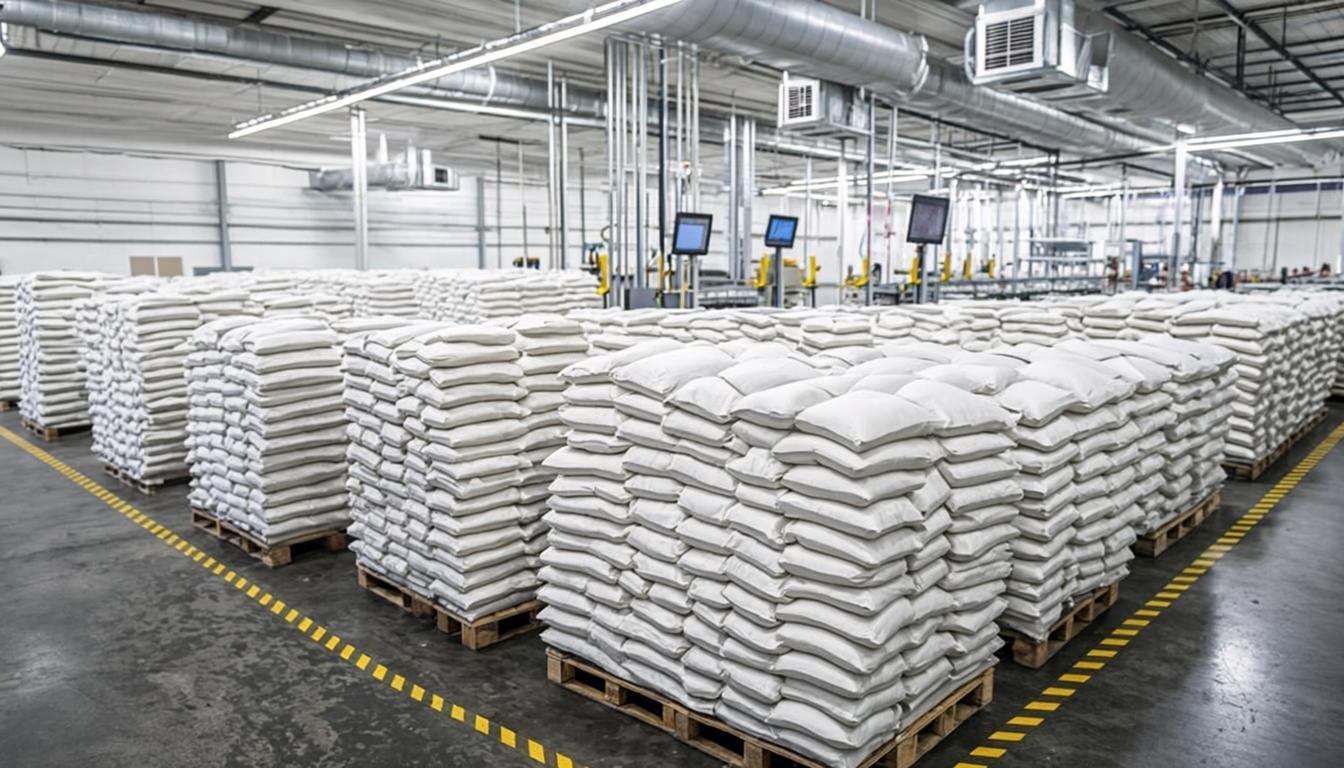
Proper storage and handling of fishmeal is critical for maintaining quality throughout the supply chain. Freshly produced steam-dried fishmeal with moisture content between 6-10% has a shelf life of 6 to 12 months when stored under optimal conditions: temperature between 15-25 degrees Celsius, relative humidity below 65%, and protection from direct sunlight, rodents, and insects. A critical safety concern is the risk of spontaneous combustion caused by exothermic oxidation of residual lipids when fishmeal absorbs moisture. Warehouses must maintain adequate ventilation, regular temperature monitoring (thermocouples embedded in stack cores), and stack height limits of approximately 3 meters. When transported in bulk by sea, the IMDG Code requirements for UN 2216 (fishmeal, unstabilized) must be strictly followed, including continuous temperature logging and cargo hold ventilation throughout the voyage.
Top 10 Most Asked Questions About Steam Dried Fishmeal
1. What is steam-dried fishmeal, and how is it different from regular fishmeal?
Steam-dried fishmeal is a premium protein-rich feed ingredient produced through indirect steam heating at lower temperatures, which preserves essential amino acids, omega-3 fatty acids (EPA and DHA), and heat-sensitive vitamins far more effectively than flame-dried alternatives. Unlike direct-fire drying methods that expose the material to combustion gases at high temperatures, steam drying uses indirect heating that prevents protein denaturation and reduced lysine availability. The result is a lighter-colored, more digestible product classified as "Prime" or "Super Prime" grade, commanding a 10-20% price premium in international markets.
2. What is the HS code for fishmeal exports?
The international HS code for fishmeal is 2301.20 (HS Code 230120), classified under Chapter 23 as "Flours, meals and pellets, of fish or of crustaceans, molluscs or other aquatic invertebrates, unfit for human consumption." The 10-digit code 2301200000 is used in EU export declarations. India applies sub-classifications: 23012011 for powder form and 23012019 for other forms. This code is universally recognized for customs clearance and tariff calculation across WTO member nations.
3. How much does fishmeal cost per tonne, and what drives pricing?
Steam-dried fishmeal prices typically range from USD 1,400-2,200 per tonne FOB depending on origin, protein content, and seasonal supply conditions. Prime-grade steam-dried fishmeal from European sources like Estonia trades at the higher end of this range. Key pricing drivers include El Nino/La Nina cycles affecting South American anchovy catches (Peru produces 25-30% of global supply), Chinese aquaculture demand (China is the single largest buyer), currency fluctuations, and freight costs. Prices typically peak during the February-May period when South American quotas are allocated and supply uncertainty is highest.
4. What is the shelf life of steam-dried fishmeal?
Freshly produced steam-dried fishmeal with moisture content of 6-10% has a shelf life of 6 to 12 months under proper storage conditions: temperature between 15-25 degrees Celsius, relative humidity below 65%, and protection from direct sunlight and moisture. Storage facilities must maintain adequate ventilation and regular temperature monitoring because fishmeal is classified under the IMDG Code as cargo prone to oxidation and self-heating (UN 2216), which can lead to spontaneous combustion if moisture absorption occurs.
5. What quality parameters should I check when buying fishmeal?
Key parameters for evaluating fishmeal quality include: crude protein (65-72% for premium grade), moisture (less than 10%), TVN/Total Volatile Nitrogen (less than 100 mgN/100g indicating freshness), histamine (less than 500 ppm for premium), pepsin digestibility (greater than 94% indicating protein bioavailability), ash content (less than 12%), and fat content (8-12%). Buyers should also request certificates confirming Salmonella-free status, heavy metals testing (lead, cadmium, mercury, arsenic), dioxin and PCB limits, and pesticide residue compliance.
6. Which countries are the largest fishmeal exporters and importers?
Peru is by far the world's largest producer and exporter (25-30% of global output), followed by Chile, China, Thailand, and the United States. Major European producers include Denmark, Norway, Iceland, and Estonia (Baltic Sea). The largest importing countries are China (single largest buyer, consuming approximately 30-35% of globally traded fishmeal), Japan, Germany, Norway, Turkey, Vietnam, and Thailand. The Baltic States, particularly Estonia, play a notable niche role producing fishmeal from Baltic herring and sprat.
7. How do I find verified international buyers for fishmeal?
Sourcing verified fishmeal buyers requires a multi-channel approach recommended by experienced exporters on Reddit's r/Seafood community and industry forums. Start with trade data platforms (TradeKey, Alibaba, EximGuru, Datamyne) to identify active importers and verify shipment histories. Attend major trade shows such as AquaSur (Chile), Seafood Expo Global (Brussels), and VIV Asia (Thailand). Leverage government export promotion agencies and industry associations like IFFO (The Marine Ingredients Organisation) for pre-qualified buyer contacts. Always verify the buyer's import license and request Letters of Credit for first-time transactions.
8. What sustainability certifications are required for fishmeal export?
The most widely required certification is MarinTrust (formerly IFFO RS), a B2B assurance program certifying responsible raw material sourcing from well-managed fisheries. The certificate is valid for three years with annual audits. Additional certifications that buyers may require include ASC Chain of Custody (for aquaculture feed chains), Global GAP, BAP (Best Aquaculture Practices), and HACCP (mandatory for China imports). EU and North American premium markets also require compliance certificates for dioxins, heavy metals, and Salmonella limits.
9. What is the fishmeal production process step by step?
The industrial process consists of five stages: (1) Raw material reception and storage under refrigeration at 0-4 degrees Celsius. (2) Cooking at approximately 95 degrees Celsius in steam-jacketed cylinders to coagulate proteins and release oils. (3) Pressing through twin-screw presses to separate solid press cake from liquid stickwater. (4) Drying, either by indirect steam (premium) or direct fire (standard), to reduce moisture below 10%. (5) Grinding to uniform particle size, counter-flow cooling below 30 degrees Celsius, and packaging in bags or bulk containers. The entire process takes 2-4 hours.
10. What is the global fishmeal market size and growth forecast?
The global fishmeal market was valued at approximately USD 9.5-11 billion in 2023-2025 and is projected to reach USD 17-21 billion by 2033-2035, growing at a CAGR of 4.1-7.3% depending on the research source. Global production is estimated at approximately 5 million metric tons annually, with the Asia-Pacific region dominating consumption at 42% market share. Growth is driven by expanding aquaculture production (projected to exceed 200 million tonnes by 2030), rising demand for animal protein in developing nations, and increasing use of marine omega-3s in premium animal feed formulations.
Similar Companies and Related Industry Resources
The following companies and industry directories on TurkExim provide additional intelligence on the global fishmeal and marine ingredients trade, including buyer contacts, trade data, and market analysis for professionals involved in fishmeal import-export operations.
- Norwegian Fishmeal and Fish Flour Importers - Comprehensive directory of Norwegian fishmeal buyers including Skretting AS, BioMar Group, Cargill Aqua Nutrition, and Felleskjopet Agri SA
- Denmark Fish Meal Manufacturers - Directory of Danish fishmeal producers including FF Skagen A/S, FF Hanstholm A/S, and Bioceval Denmark A/S
- UK Fish Meal Importers - UK market contacts including Aquatics Express Distribution Ltd, BioMar Limited, EWOS Limited, and Trouw (UK) Ltd
- Spanish Importers of Fish Meal and Pellets - Spain market directory including Hermanos Vila SA, Proaqua Nutricion SA, and Trouw Espana SA
- Fish Meal and Fish Flour Importers in Bangladesh - South Asian market contacts for growing aquaculture demand
- Turkey Fish Meal Import Records - Turkish import shipment data and buyer identification for HS Code 230120
- Turkey Fish Meal Import Records (Detailed) - Extended Turkish import records with bill of lading data
- Aquatics Express Distribution Ltd - UK-based fishmeal distribution company profile
- HS Code Chapter 23 - Fish/Meal/Pellet Codes - Complete reference for HS Code 230120 classification and tariff information
- Estonia Importers Directory - General Estonia trade directory and import market overview
- Turkey Fish and Fats Exporters - Turkish marine ingredients export companies and trade contacts
- Algeria Fish Importers - North African fish and fishmeal market contacts
Yorumlar - Yorum Yaz