


Ukraine HS Code 700220 Importers - Glass Rods
Ukraine HS Code 700220 Importers - Glass Rods Import Data
Tags: Ukraine, HS Code 700220, glass rods importers, Ukraine importers, glass rods unworked, Ukraine glass market, international trade data, customs tariff
What is HS Code 700220?
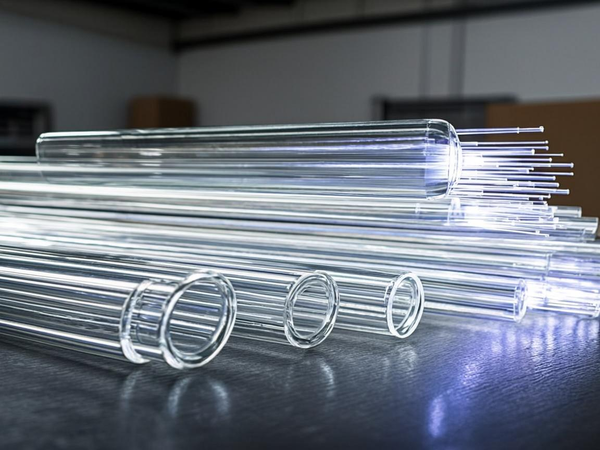
HS Code 700220 falls under Chapter 70 of the Harmonized System nomenclature, which covers glass and glassware. Specifically, HS Code 700220 refers to "Glass in balls (other than microspheres), rods or tubes, unworked" with the subcategory being "Glass rods, unworked." This classification encompasses cylindrical or semi-cylindrical glass products that have not been further worked, shaped, or treated beyond their initial formation. Glass rods classified under this code are typically produced through drawing or extrusion processes and are used as raw materials or semi-finished products in a wide range of downstream industries including laboratory glassware manufacturing, lighting and fiber optics, pharmaceutical packaging, electronics, and industrial applications.
The HS Code system is an internationally standardized nomenclature developed by the World Customs Organization (WCO) and used by over 200 countries worldwide to classify traded goods. Understanding the correct HS code classification is essential for importers and exporters as it determines the applicable customs duties, trade restrictions, preferential tariff rates under free trade agreements, and statistical tracking of international trade flows. Ukraine, as a signatory to international trade agreements and a participant in the EU-Ukraine Deep and Comprehensive Free Trade Area (DCFTA), uses the HS-based Ukrainian Classification of Goods for Foreign Economic Activity (UCTR FEA) which aligns closely with the EU's Combined Nomenclature (CN) system.
Ukraine Glass Market Overview
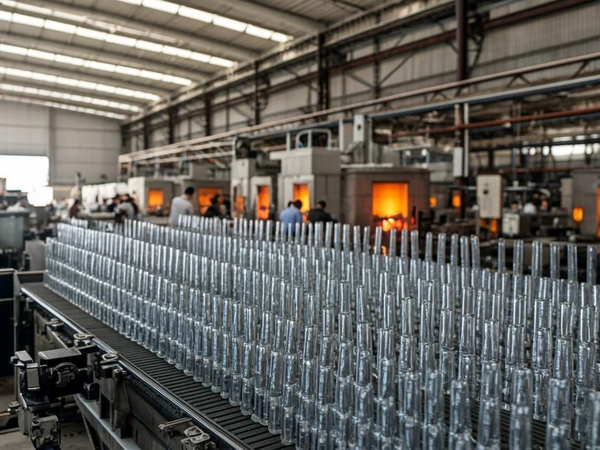
Ukraine's glass industry represents a significant segment of the country's industrial and manufacturing landscape. The country imports a substantial volume of glass products annually, with total glass imports under Chapter 70 reaching approximately $326.57 million in 2024. Despite having some domestic glass manufacturing capacity, Ukraine relies heavily on imported glass products to meet domestic demand across multiple sectors including construction, automotive, pharmaceutical, laboratory, lighting, and consumer goods. The ongoing conflict and economic challenges have affected production and supply chains, but the demand for specialized glass products such as glass rods continues to be driven by Ukraine's scientific research institutions, medical industry, lighting manufacturers, and construction sector.
Ukraine's strategic geographic position between the European Union and Eastern markets has historically made it an important transit and distribution hub for glass products. The country's glass import market is served by a diverse range of international suppliers, with China, Germany, Poland, Turkey, and Belarus being the primary source countries. Ukraine's import duties on glass products vary depending on the specific HS code classification and the country of origin, with preferential rates available for EU-origin goods under the DCFTA framework.

Applications of Glass Rods (HS 700220)
Glass rods classified under HS Code 700220 serve as essential raw materials across numerous industries and applications. Their versatility stems from the unique properties of glass, including transparency, chemical resistance, thermal stability, electrical insulation, and the ability to be precisely shaped and treated through subsequent processing. Understanding the diverse applications of glass rods helps importers and traders identify market opportunities and target the most promising end-use sectors in the Ukrainian market.
Laboratory and Scientific Equipment
One of the most significant applications for glass rods is in the production of laboratory and scientific glassware. Ukraine maintains a substantial network of universities, research institutes, and industrial laboratories that require high-quality glass products for chemical analysis, biological research, and materials testing. Glass rods are used to manufacture stirring rods, pipettes, test tubes, condensers, and specialized scientific instruments. Borosilicate glass rods, valued for their exceptional thermal shock resistance and chemical inertness, are particularly sought after by scientific institutions. The demand for laboratory glassware in Ukraine is supported by both public sector funding for research institutions and private sector investment in pharmaceutical and chemical testing laboratories.

Lighting and Fiber Optics Industry
The lighting industry is a major consumer of glass rods, using them as raw materials for manufacturing various types of glass components for illumination devices. Glass rods are drawn into thin fibers for fiber optic applications, formed into envelopes for lamps and lighting fixtures, and processed into diffusers and light guides for architectural and automotive lighting. Ukraine has a notable lighting manufacturing sector, particularly in the production of LED lighting components, decorative glass lighting fixtures, and industrial illumination systems. The growing global demand for energy-efficient LED lighting has further increased the need for specialized optical glass rods and preforms used in fiber optic cable manufacturing.
Pharmaceutical and Medical Glass Packaging
Glass rods serve as the starting material for pharmaceutical glass packaging, including vials, ampoules, cartridges, and bottles used to store and transport medicines, vaccines, and biological samples. The pharmaceutical industry requires glass packaging that meets stringent quality standards for chemical compatibility, dimensional precision, and thermal resistance. Ukraine's pharmaceutical sector, which includes both domestic manufacturers and international companies with local operations, represents a consistent and growing market for pharmaceutical-grade glass products. The global trend toward glass packaging for biologics and injectable drugs, driven by glass's superior barrier properties compared to plastic alternatives, is expected to further increase demand in this segment.
Electronics and Industrial Applications
Glass rods are used in the electronics industry for manufacturing insulators, display panels, semiconductor components, and precision glass components for electronic devices. In the industrial sector, glass rods find applications in furnace sight glasses, level gauges, thermometers, and as electrodes in glass melting furnaces. The construction industry uses glass rods in the production of fiberglass reinforcement materials, glass fiber insulation, and decorative architectural elements. Ukraine's industrial base, while affected by the ongoing conflict, continues to require imported glass raw materials to support these diverse manufacturing activities.
Leading Ukraine Glass Importers and Companies
The following table presents key companies operating in Ukraine's glass sector that are involved in the importation, manufacturing, or distribution of glass products including glass rods and related materials. These companies represent the primary market participants for HS Code 700220 glass rod imports into Ukraine.
| Company | City | Profile | Website |
|---|---|---|---|
| Safe Glass Factory LLC | Berdychiv | Glass manufacturing, tempered and laminated safety glass | safeglass.com.ua |
| Orion Glass LLC | Kyiv / Zaporizhzhia | Glass processing and distribution | orionglass.com.ua |
| NovaSklo | Kyiv Region | Float glass plant (est. 2028), partnered with NSG/Pilkington | novasklo.com |
| SNOK Ltd. | Ukraine | Glass processing and tempering | snok.com.ua |
| LOSK | Kharkiv | Glass processing and installation | losk.ua |
| PROSKLO | Ukraine | Glass products supplier | prosklo.ua |
| Glass Team | Kyiv | Glass trading and wholesale distribution | glassteam.ua |
| USYK SKLO | Ukraine | Glass products and accessories | usyksklo.ua |
| ELSI | Ukraine | Glass distributor (Fuyao, Pilkington, Xinyi brands) | elsie.ua |
| StudioGlass | Lviv | Decorative glass, mirrors, and custom glass products | studioglass.ua |
Safe Glass Factory LLC - Berdychiv
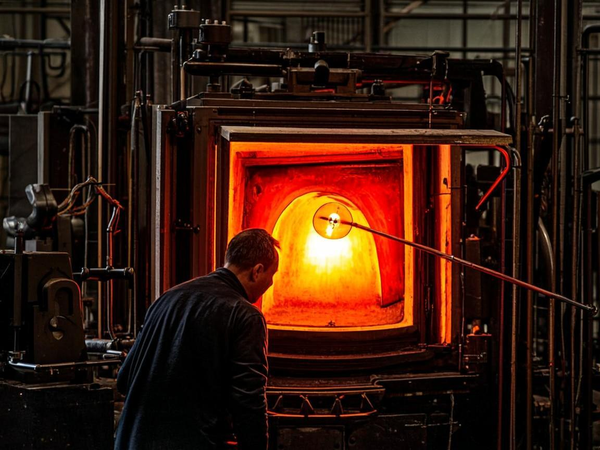
Safe Glass Factory LLC, located in Berdychiv in the Zhytomyr region of Ukraine, is one of the country's notable glass manufacturing enterprises. The company specializes in the production of tempered and laminated safety glass products for the automotive, construction, and architectural industries. As a domestic glass processor, Safe Glass Factory represents an important link in Ukraine's glass supply chain, requiring imported glass raw materials and semi-finished products including glass rods to support its manufacturing operations. The company can be contacted at +380 67 269 1138 and operates through its website safeglass.com.ua.
NovaSklo - Ukraine's Future Float Glass Plant
NovaSklo represents a landmark investment in Ukraine's glass industry, with plans to establish the country's first float glass manufacturing plant in the Kyiv region. The project, valued at approximately EUR 240 million, is partnered with Nippon Sheet Glass (NSG/Pilkington) and backed by the International Finance Corporation (IFC). When operational (expected around 2028), NovaSklo will fundamentally transform Ukraine's glass supply chain by enabling domestic production of raw float glass, which is currently entirely imported. This development is expected to significantly impact the import market for glass products including glass rods, as domestic processing capabilities expand.
Glass Team - Kyiv
Glass Team, based in Kyiv, operates as a glass trading and wholesale distribution company serving the Ukrainian market. The company sources glass products from both domestic and international manufacturers, offering a range of glass types including flat glass, processed glass, and specialty glass products. As a distributor, Glass Team plays a key role in connecting international glass producers with Ukrainian end-users across the construction, automotive, and industrial sectors. The company's website at glassteam.ua provides information about their product range and distribution capabilities, and they can be reached at +380 50 444 2281.
Top Source Countries for Ukraine's Glass Imports
Ukraine sources its glass product imports from a diverse range of countries, reflecting the global nature of the glass industry and Ukraine's trade relationships. Understanding the primary source countries helps potential exporters identify competitive opportunities in the Ukrainian market. China has emerged as Ukraine's leading overall trading partner, with bilateral trade reaching $8.9 billion in the first half of 2025 alone, and Chinese glass manufacturers such as Fuyao Glass and Xinyi Glass have established significant market presence in Ukraine through distributors like ELSI.
The European Union, and particularly Germany and Poland, represents another major source of glass imports, benefiting from preferential tariff rates under the EU-Ukraine DCFTA agreement. Germany, as Europe's largest glass exporter with over $1.13 billion in HS 7007 exports globally, supplies high-quality automotive and specialty glass products to the Ukrainian market. Poland's geographic proximity to Ukraine and its well-developed glass manufacturing sector make it a natural supplier, particularly for flat glass and processed glass products. Turkey, through companies like Sisecam (Turkiye Sise ve Cam Fabrikalari), offers competitive pricing and serves as an important source of both raw and processed glass products for Ukrainian importers.
| Country | Key Exporters | Glass Products | Trade Advantages |
|---|---|---|---|
| China | Fuyao, Xinyi, AGC | All glass types, competitive pricing | Largest trade partner, direct shipping |
| Germany | NSG/Pilkington, Saint-Gobain | Automotive, specialty glass | DCFTA duty-free, premium quality |
| Poland | Press Glass, Pilkington Polska | Flat glass, processed glass | Geographic proximity, DCFTA |
| Turkey | Sisecam, Trakya Cam | Float glass, glass rods | Competitive pricing, FTA |
| Belarus | Various state enterprises | Glass containers, flat glass | Historical supply route |
| France | Saint-Gobain | Architectural, automotive glass | DCFTA, premium brands |
Ukraine Import Regulations for HS Code 700220
Importing glass rods (HS Code 700220) into Ukraine requires compliance with the country's customs regulations, certification requirements, and documentation standards. Ukraine's customs system uses the Ukrainian Classification of Goods for Foreign Economic Activity (UKT FEA), which is based on the Harmonized System but includes additional subheadings for more precise classification. Importers must ensure correct HS code declaration, as misclassification can result in customs delays, penalties, or incorrect duty assessment. The standard VAT rate in Ukraine is 20%, applicable to most imported goods including glass products, while customs duties vary depending on the specific product classification and country of origin.
For glass products imported from EU countries, the EU-Ukraine DCFTA provides preferential access with reduced or zero customs duties, provided the importer can demonstrate origin through appropriate certificates. Technical regulations and certification requirements may apply depending on the intended end-use of the glass rods, particularly for products destined for the pharmaceutical, medical, or food-contact applications. Importers should work with licensed customs brokers who are familiar with Ukraine's evolving regulatory framework, particularly given the ongoing changes to trade policies and sanctions regimes affecting imports from certain countries.
Related Articles You May Find Interesting

Understanding HS Codes: A Complete Guide for International Traders
The Harmonized System (HS) Code is an internationally standardized system of names and numbers used to classify traded products. Developed and maintained by the World Customs Organization (WCO), the HS Code system is used by customs authorities worldwide to identify products for the assessment of duties, taxes, and trade statistics. The system is organized in a logical hierarchical structure with chapters, headings, and subheadings, where each successive level provides increasing specificity about the product being classified. For glass products, Chapter 70 covers glass and glassware, with further subdivisions for different types such as drawn glass, floated glass, safety glass, glass fibers, and glass in balls, rods, or tubes. Accurate HS code classification is critical for importers and exporters because it directly impacts the amount of customs duty payable, eligibility for preferential tariff rates under free trade agreements, compliance with import restrictions or quotas, and the accuracy of trade statistics reported to government agencies. Traders should always verify HS code classifications with their national customs authority and consult with experienced customs brokers when dealing with complex or ambiguous product categories.

Ukraine's Import Market: Opportunities and Challenges for Global Suppliers
Ukraine's import market presents both significant opportunities and notable challenges for international glass suppliers. As a country with a population of approximately 35-40 million people and an economy undergoing transformation, Ukraine offers substantial demand for construction materials, industrial glass, and specialty glass products. The EU-Ukraine DCFTA has created preferential trade conditions for European suppliers, while China's growing influence as Ukraine's largest trading partner has opened additional channels for Asian manufacturers. However, the ongoing conflict has created logistical challenges, including disrupted supply routes, port access limitations in the Black Sea region, increased insurance costs, and sanctions-related compliance requirements. Successful exporters to the Ukrainian market typically work through established local distributors who understand the market dynamics, maintain relationships with key buyers, and can navigate the complexities of customs clearance, payment processing, and last-mile delivery in a challenging operating environment.

The Growing Demand for Pharmaceutical Glass Packaging in Eastern Europe
Eastern Europe, including Ukraine, is experiencing a significant increase in demand for pharmaceutical glass packaging driven by several converging market trends. The global pharmaceutical industry's shift toward biologics and biosimilars, which require glass vials and ampoules due to their superior compatibility with sensitive drug formulations, has created sustained demand for high-quality pharmaceutical-grade glass. Additionally, regulatory changes and quality standards are pushing pharmaceutical manufacturers away from plastic packaging toward glass alternatives that offer better barrier properties, chemical inertness, and longer shelf life. Ukraine's pharmaceutical sector, which serves both the domestic market and exports to neighboring countries, is a growing consumer of pharmaceutical glass packaging. The COVID-19 pandemic further highlighted the critical importance of glass vials for vaccine storage and distribution, leading to increased investment in pharmaceutical glass manufacturing capacity globally. For glass rod importers and distributors serving the Ukrainian market, the pharmaceutical packaging segment represents one of the most promising growth opportunities, particularly for borosilicate glass rods used in the production of Type I pharmaceutical glass containers that meet international pharmacopoeia standards.
Yorumlar - Yorum Yaz