


ANISE OR BADIAN SEED | IMPORTERS| BRAZIL
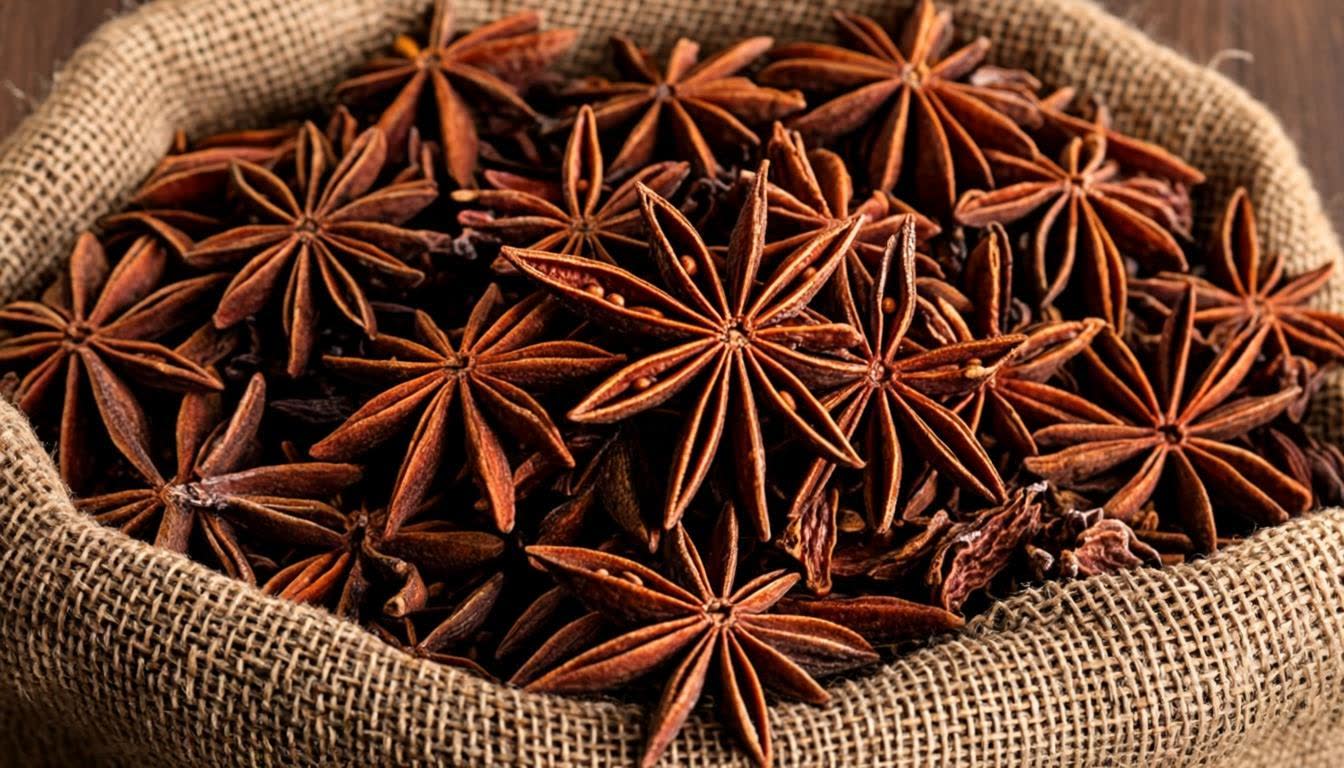
Brazil Anise (Badian) Seed Importers - Complete Company Directory
Brazil is one of the world's leading players in the global spice trade, and anise seed (also known as badian seed or star anise) represents a significant segment of the country's import and export activities. Anise seed, scientifically known as Pimpinella anisum, is a flowering plant native to the Eastern Mediterranean and Southwest Asia, belonging to the Apiaceae family alongside carrots, parsley, and celery. The seed is renowned for its distinctive licorice-like flavor and aroma, driven primarily by its high anethole essential oil content, making it indispensable in food, beverage, pharmaceutical, and cosmetic industries worldwide.
Brazilian importers and distributors of anise seed serve both the domestic market and international trade channels, connecting global spice producers with South American buyers. Below you will find detailed profiles of the leading Brazilian companies involved in the anise and badian seed trade, including their business activities, product portfolios, contact information, and market reach. This directory is compiled from verified trade data, customs records, and official company registrations to help international suppliers and buyers identify reliable Brazilian trade partners.
1. AFIL Importacao Exportacao e Comercio Ltda
Location: Av. Ranulpho Marques Leal 748, Tres Lagoas, Mato Grosso do Sul (MS), 79620-340, Brazil
Phone: (67) 2105-5800
AFIL Importacao Exportacao e Comercio Ltda is a Brazilian import, export, and commerce company based in Tres Lagoas, a strategic city in the state of Mato Grosso do Sul. The company specializes in the trade of spices and agricultural products, including anise seed and badian seed, serving as an intermediary between international spice producers and domestic Brazilian buyers. Tres Lagoas is an important logistics hub in Brazil's center-west region, providing AFIL with advantageous access to major transportation networks that connect the agricultural heartlands of Brazil with ports and distribution centers throughout the country and across South America.
AFIL's product portfolio focuses on spices and food-grade agricultural commodities that cater to the Brazilian food processing, flavoring, and manufacturing industries. The company's role as an importer and wholesaler positions it as a critical link in the supply chain for anise-derived ingredients used in Brazilian cuisine, baked goods, beverages, and pharmaceutical formulations. Trade data directories and customs records confirm AFIL's active involvement in the importation of anise and related spice products, making it a verified partner for international suppliers seeking to enter the Brazilian market.
2. Agro Food Importacao e Exportacao Ltda
Location: Rua da Alfandega 345, Sao Paulo, SP, Brazil
Website: www.agrofood.com.br
Founded: 1965
Agro Food Importacao e Exportacao Ltda is one of Brazil's most established and prominent spice trading companies, with a history dating back to 1965 when it was founded by Joao Correa Lima and Julio Guglielmi in Sao Paulo. Originally established as a spice importer and distributor serving the local Sao Paulo market, the company has grown over nearly six decades into a major international trader with export operations spanning Africa, Asia, the Middle East, Oceania, and South America. Agro Food is particularly recognized as one of Brazil's leading merchants of black pepper (both whole and ground), white pepper, pink pepper, clove, and anise seed.
The company's comprehensive product portfolio includes spices (black pepper, white pepper, pink pepper, clove, anise and badian seeds), green coffee, ancient grains, nuts, organic products, health and wellness food items, popcorn, coffee beans, pulses, grains and cereals, dried fruit and vegetables, and private label products. Agro Food operates from the historic commercial district of Bras in Sao Paulo, distributing imported goods throughout Brazil while simultaneously exporting Brazilian agricultural products to global markets. The company has participated in major international trade exhibitions including Gulfood Dubai 2019, demonstrating its commitment to expanding global trade relationships and connecting Brazilian producers with international buyers.
3. Andrea S.A. Importacao Exportacao e Industria
Location: Rua Assuncao 206, Sala/CJ 04, Bras, Sao Paulo, SP, Brazil
CNPJ: 61.148.367/0001-41
Andrea S.A. Importacao Exportacao e Industria is a significant Brazilian trading company headquartered in the Bras district of Sao Paulo, one of the city's most historically important commercial and wholesale neighborhoods. The company's legal designation as "Industria" (Industry/Manufacturing) indicates that Andrea S.A. goes beyond simple import-export activities to include industrial processing and manufacturing of food products. This integrated business model allows the company to add value to imported raw materials before distribution, offering processed and semi-processed food products alongside bulk commodity trade.
Andrea S.A. is recognized in international trade data directories, including TurkExim, specifically as a Brazilian importer of anise and badian seeds. The company's extensive legal records and trademark registrations at the Brazilian National Institute of Industrial Property (INPI) further confirm its active and long-standing involvement in international trade. With over 113 legal proceedings on record in Brazilian federal and state courts, including commercial disputes and customs-related cases, the scale of Andrea S.A.'s operations is evident, consistent with a high-volume international trading house that regularly handles significant import shipments from global spice suppliers.
4. Anidro do Brasil Extracoes S.A. (Grupo Centroflora)
Location: Parnaiba, Piaui, Brazil
Anidro do Brasil Extracoes S.A., operating as part of the Grupo Centroflora group, is a specialized Brazilian company focused on the extraction and processing of natural products, particularly essential oils and botanical extracts. Located in Parnaiba, in the northeastern state of Piaui, Anidro benefits from the region's rich agricultural biodiversity and its reputation as a major producer of tropical crops including cashew, citrus, and other botanical resources used in the production of essential oils and natural extracts.
As a member of Grupo Centroflora, one of Brazil's notable natural products conglomerates, Anidro do Brasil has access to advanced extraction technology and established international distribution channels for its products. The company's core business centers on producing high-quality essential oils from citrus and other Brazilian flora, which are used across the flavor, fragrance, food and beverage, pharmaceutical, and cosmetics industries worldwide. Anidro's inclusion in the anise seed importer category reflects its involvement in the broader spice and botanical products supply chain, where anise-derived essential oil (rich in anethole) represents a valuable product for the flavor and fragrance sectors. The company maintains active export operations, shipping its natural extracts to international markets and contributing to Brazil's position as a leading global supplier of plant-based ingredients.
What Is Anise Seed (Badian Seed) and Its Global Trade Significance
Anise seed, known scientifically as Pimpinella anisum, is one of the oldest cultivated spice plants in human history, with origins tracing back to ancient Egypt, Greece, and Rome. The seed produces a sweet, licorice-like flavor and aroma due to its high concentration of anethole (typically 80-90% of the essential oil composition), which makes it invaluable across multiple industries. In the culinary world, anise seed is used in baking, confectionery, beverages (including anisette, ouzo, and arak liqueurs), savory dishes, and processed food flavoring. In the pharmaceutical sector, anise seed extract is valued for its digestive, carminative, and expectorant properties, appearing in traditional remedies and modern medicinal formulations alike.
The global anise seed market has experienced steady growth in recent years, driven by increasing consumer demand for natural flavoring agents, the expansion of ethnic food markets worldwide, and growing awareness of anise's health benefits. Major producing countries include Turkey, China, India, Egypt, and Spain, while Brazil serves as both a consumer market and a redistribution hub for South American buyers. The spice trade is facilitated by international commodity traders and specialized import-export companies who manage the complex logistics of sourcing, quality control, customs clearance, and distribution that connects producers in the Northern Hemisphere with markets across the Americas, Africa, and Asia.
Brazil's Role in the Global Spice Import and Export Market
Brazil occupies a unique and increasingly important position in the global spice trade, serving simultaneously as a major agricultural producer, a significant consumer market, and a strategic redistribution hub for South America. The country's spice industry has grown substantially over the past several decades, supported by Brazil's diverse climate zones that allow for the cultivation of a wide range of tropical and subtropical crops, its advanced port infrastructure on both the Atlantic coast and inland waterway systems, and its free trade zone policies that facilitate international commerce. Brazilian spice importers play a critical role in this ecosystem, bringing in specialty spices and aromatic products that are not domestically produced in sufficient quantities, including anise seed, cardamom, nutmeg, and various pepper varieties from Asian and African sources.
The state of Sao Paulo, home to the historic Bras commercial district where many of Brazil's leading spice traders are headquartered, serves as the primary hub for the country's import-export activities. Companies like Agro Food and Andrea S.A. have built their operations around Sao Paulo's exceptional logistics infrastructure, which includes the Port of Santos (Latin America's largest port), Guarulhos International Airport, and an extensive highway and rail network connecting the city to agricultural regions across Brazil and neighboring countries. Meanwhile, companies in Mato Grosso do Sul and Piaui states leverage their proximity to Brazil's agricultural heartlands to source local products for export while importing specialty items for domestic distribution.
For international spice suppliers looking to access the Brazilian market, understanding the regulatory landscape is essential. Brazil's food safety requirements are administered by ANVISA (the National Health Surveillance Agency), which sets standards for food-grade products including spices and botanical ingredients. Importers must comply with sanitary registration requirements, phytosanitary certifications, and labeling regulations that ensure product safety and traceability. Working with established Brazilian importers who have existing ANVISA registrations and proven compliance records significantly simplifies the market entry process for foreign suppliers, making directories like this one an essential resource for B2B trade development.
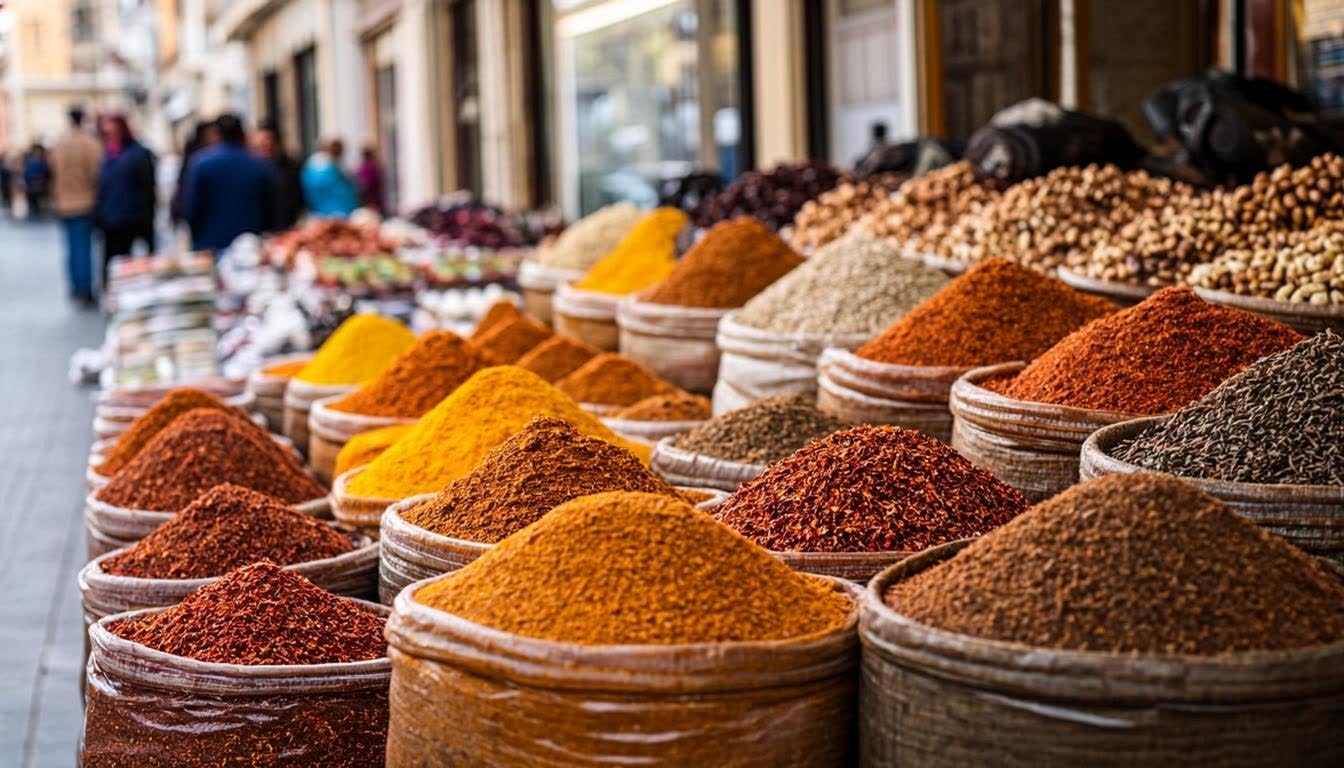
How to Find Reliable Anise Seed Importers in Brazil for International Trade
Finding trustworthy import partners in international commodity trading requires careful research and verification. For businesses seeking to supply anise seed or badian seed to the Brazilian market, several key strategies can help identify and evaluate potential trade partners. First, consult verified trade data platforms and customs records to confirm a company's actual import history and product categories. TurkExim's database of Brazilian importers provides verified company profiles based on real customs declarations and bill of lading records, offering greater reliability than general business directories that may contain outdated or unverified information.
Second, verify the target company's legal registration through Brazil's Federal Revenue Service (Receita Federal) using their CNPJ number, which confirms the company's legal status, registered business activities, and active standing. Third, request product samples and quality certifications (such as ISO, HACCP, or organic certifications) to ensure the importer maintains adequate quality control standards for food-grade products. Fourth, attend major international trade fairs where Brazilian spice companies exhibit, such as Gulfood (Dubai), SIAL (Paris), and the Fi South America exhibition in Sao Paulo, where face-to-face meetings can establish stronger business relationships and provide opportunities to evaluate product quality firsthand.
Fifth, consider engaging with industry associations such as the Brazilian Association of the Spice Industry (ABIFER) and the Brazilian Export Promotion Agency (ApexBrasil), which can provide additional networking opportunities and market intelligence. Finally, ensure that any trade agreement includes clear terms regarding payment methods (letters of credit are recommended for new relationships), shipping terms (Incoterms), quality specifications, delivery schedules, and dispute resolution mechanisms. Building successful international trade partnerships requires patience, due diligence, and a commitment to transparent communication, but the Brazilian spice market offers significant growth potential for well-prepared international suppliers.
Source: TurkExim Trade Database, Brazilian Federal Revenue Service (Receita Federal), Company Official Records
Yorumlar - Yorum Yaz