


Frozen Shrimp Importers in Belgium 2018
FROZEN SHRIMP IMPORTERS IN BELGIUM (2018)
COMPREHENSIVE IMPORTER DATABASE • BILL OF LADING TRADE INTELLIGENCE • 2018 ARCHIVE

Port of Antwerp — Europe's second-largest port and a major gateway for frozen seafood imports into Belgium
Frozen Shrimp Import Flow — Belgium Market
Belgium occupies a strategically vital position in the European frozen seafood supply chain, serving as both a major consumption market and a redistribution hub for neighboring EU countries. The Port of Antwerp and the Port of Zeebrugge are the primary entry points for frozen shrimp shipments arriving from global suppliers. The following schema illustrates the key trade flow dynamics for frozen shrimp imports into Belgium during 2018, highlighting the critical role of cold chain logistics, customs processing, and multi-channel distribution networks that ensure product integrity from origin to end consumer.
Exporting Countries
Reefer Container via Antwerp & Zeebrugge
Import & Re-export Hub
Vietnam, India, Ecuador, Thailand, Bangladesh, Greenland
Headless shrimp, peeled & deveined, butterfly cut, cooked, breaded
Antwerp (EU's #2 port), Zeebrugge, Ghent, Ostend — reefer terminals
France, Germany, Netherlands, Luxembourg — EU-wide distribution
EFSA standards, HACCP, veterinary checks, health certificates
ASC, MSC, BRC, IFS, GlobalGAP, cold chain -18°C maintained
Quick Overview
Belgium is one of Europe's most important hubs for frozen shrimp imports, leveraging its world-class port infrastructure at Antwerp and Zeebrugge to serve as both a primary consumption market and a redistribution gateway for the entire European Union. In 2018, over 80 active importing companies were identified through customs bills of lading, ranging from large integrated seafood groups like Morubel N.V. and Hottlet Frozen Foods N.V. to specialized niche operators such as Gelazur S.A. and Multi-Fish N.V. Belgium's unique position means that a significant portion of imported frozen shrimp is re-exported to neighboring countries including France, Germany, and the Netherlands, amplifying the country's importance beyond its domestic market size. This database provides verified importer company names derived from official shipping records, offering a reliable foundation for B2B outreach, market analysis, and strategic planning in the European frozen seafood sector.
Belgium Frozen Shrimp Importers — Company Directory (2018)
The following table lists the most active frozen shrimp importing companies in Belgium identified through bill of lading customs data for the year 2018. Companies are ranked by their estimated shipping activity volume and trade frequency.
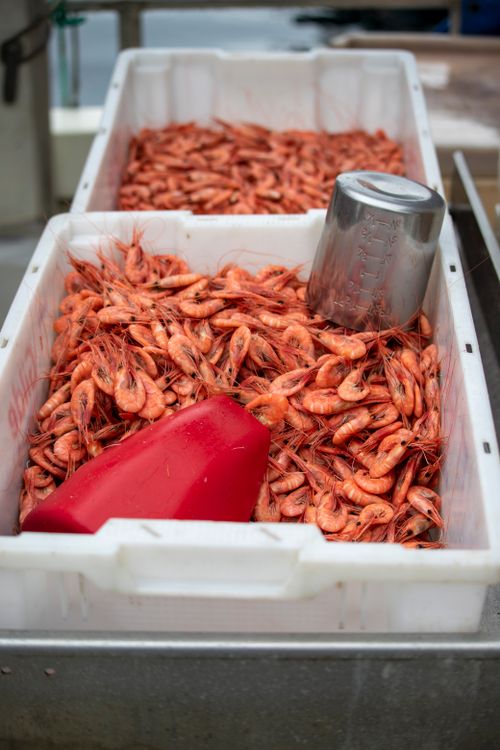
Commercial shrimp in shipping crates at wholesale seafood market — representing the scale of Belgium's frozen shrimp import trade
Belgium as a European Seafood Gateway
Belgium's geographical position at the heart of Western Europe, combined with its world-class port infrastructure, makes it an indispensable hub for frozen seafood distribution across the continent. The Port of Antwerp, Europe's second-largest seaport, handles millions of tons of cargo annually and features state-of-the-art reefer container terminals capable of maintaining precise temperature control for frozen shrimp shipments. The Port of Zeebrugge complements this with specialized cold storage facilities and direct connections to the North Sea fishing grounds. This dual-port system enables Belgian importers to receive frozen shrimp from global suppliers in Asia, South America, and Africa with maximum efficiency. What sets Belgium apart from other European import markets is its significant re-export activity — a substantial portion of frozen shrimp that enters Belgian ports is subsequently distributed to France, Germany, the Netherlands, and Luxembourg, effectively making Belgium the central nervous system of Northwest Europe's frozen seafood supply chain.
EU Regulatory Framework & Quality Standards
As a founding member of the European Union, Belgium enforces one of the world's most rigorous food safety regulatory frameworks for frozen shrimp imports. All incoming shipments must comply with European Food Safety Authority (EFSA) regulations, including mandatory HACCP implementation, comprehensive health certification from the country of origin, and complete traceability documentation from harvest to point of sale. Border Inspection Posts at Antwerp and Zeebrugge conduct systematic veterinary checks on frozen seafood consignments, testing for contaminants, pathogens, and ensuring compliance with maximum residue limits. Belgian importers increasingly demand sustainability certifications such as ASC (Aquaculture Stewardship Council) for farmed shrimp and MSC (Marine Stewardship Council) for wild-caught species, reflecting growing consumer awareness and EU policy directives. These stringent standards, while adding complexity to the import process, ultimately enhance Belgium's reputation as a quality-conscious market that attracts premium global suppliers.
Frequently Asked Questions
How can I access complete contact details for Belgian importers?
The company names listed on this page are derived from verified customs bills of lading and official shipping records. To access complete contact details including registered addresses, phone numbers, email addresses, and key decision-maker profiles, you can subscribe to our premium membership packages. Our database is continuously updated with the latest trade intelligence data covering over 200 countries and 50+ product categories.
Why is Belgium considered a strategic hub for frozen shrimp in Europe?
Belgium's strategic importance stems from three key factors. First, the Port of Antwerp is Europe's second-largest seaport with advanced reefer container handling capabilities. Second, Belgium's central location provides excellent road and rail connectivity to major European consumption centers in France, Germany, and the Netherlands. Third, the country has developed a sophisticated cold chain logistics infrastructure with numerous temperature-controlled warehouses and distribution centers. This combination makes Belgium an ideal gateway for global shrimp suppliers seeking to access the broader European market.
What types of frozen shrimp products are imported into Belgium?
Belgian importers handle a comprehensive range of frozen shrimp products. The primary categories include headless shell-on shrimp (HLSO), peeled and deveined shrimp (PDTO), butterfly-cut shrimp, cooked and frozen shrimp, breaded or battered shrimp, and various value-added preparations such as marinated or seasoned shrimp. Products are sourced in multiple size grades to serve different market segments, from foodservice operators requiring bulk sizes to retail consumers preferring smaller, portion-controlled packs. HS codes for these products generally fall under the 0306 series for crustaceans.
Which countries are the main suppliers of frozen shrimp to Belgium?
Belgium sources frozen shrimp from a diverse range of global suppliers. Vietnam is the leading supplier, particularly for vannamei and black tiger shrimp. India is another major source, offering competitive pricing on a wide variety of shrimp preparations. Ecuador supplies premium farmed shrimp known for its consistent quality and size. Other significant supplying countries include Thailand, Bangladesh, China, and Greenland (for cold-water shrimp species). The diversification of sourcing origins is a deliberate strategy employed by Belgian importers to mitigate supply chain risks and ensure year-round product availability.
How frequently is this importer data updated?
Our customs database is compiled from official bill of lading records and is continuously updated throughout the year. The 2018 archive presented on this page represents a comprehensive snapshot of trade activity for that specific year. For the most current data, including real-time shipping records and newly identified importers, we recommend accessing our live database. Our subscription packages include quarterly updates, trade trend analysis, and alert notifications for new market entrants or significant changes in importer activity patterns.
ACCESS THE FULL BELGIUM SHRIMP IMPORTER DATABASE
Get complete contact details, shipping volumes, supplier networks, and real-time trade data for all active frozen shrimp importers in Belgium. Our premium database covers 200+ countries and 50+ product categories.
Request Data Report (WhatsApp)GLOBAL SUPPORT LINE: +90 501 037 37 64
Yorumlar - Yorum Yaz