

AI Summary
This page provides a comprehensive guide to micro export (also known as fast export). It covers the definition of micro export, the Electronic Commerce Customs Declaration (ETGB) process, weight and value limits (600 kg / 30,000 EUR), required documents, and strategies for selling on global e-commerce marketplaces including Amazon, Etsy, Alibaba, and AliExpress. The guide also addresses food product export requirements and the advantages of micro export over traditional export methods.
What is Micro Export? How to Do Micro Export via ETGB
Introduction to Micro Export and ETGB Process

Today, also known as fast export, micro export is an export model carried out through the Electronic Commerce Customs Declaration (ETGB) prepared by authorized fast cargo and postal carriers (operators). In this model, there are two fundamental limits for sending commercial goods and services abroad.
According to the official gazette published on January 3, 2026, micro export limits have been increased: the weight limit for goods transported by postal and fast cargo methods has been raised to 600 kg, and the value limit has been increased to 30,000 EUR. Shipments that do not exceed 600 kg in weight and 30,000 EUR in value are evaluated within the scope of micro export.
Micro export is carried out with fast cargo companies and prevents the loss of time and money caused by customs expenses and procedures thanks to ETGB. This model is especially beneficial for small and medium-sized enterprises (SMEs), artisans selling handmade products, boutique businesses, and entrepreneurs who are new to e-commerce. By managing the entire process through authorized cargo firms without needing a customs consultant, you can benefit from incentives such as VAT refunds and reduce your costs.
What is ETGB and Its Critical Role in Micro Export?
The backbone of micro export, the Electronic Commerce Customs Declaration (ETGB), is a system that digitalizes and simplifies the customs declaration process for products sent abroad within certain limits. Unlike the detailed and time-consuming Customs Declaration required in traditional export, ETGB is prepared electronically by authorized fast cargo operators (such as DHL, UPS, FedEx). This eliminates the need for the exporter to use customs brokerage services, resulting in significant savings in both time and cost.
The greatest advantage of ETGB is that it accelerates the process. When you deliver your order to the cargo company, the company enters the necessary information into the system on your behalf, creates the declaration, and completes the customs procedures. This means your products reach the customer much faster. Additionally, since shipments made with ETGB are considered official exports, you gain the right to benefit from state incentives such as VAT refunds. In short, ETGB is a key tool that makes micro export accessible for SMEs and individual entrepreneurs by reducing bureaucracy and removing barriers to e-export.
Micro Export Limits: 600 KG and 30,000 EUR Rule
There are two critical limits that form the foundation of the micro export model: the shipment weight must not exceed 600 kilograms, and the invoice value must not exceed 30,000 EUR. These limits ensure that small-scale and fast shipments are exempt from the complex procedures of traditional export.
In practice, this means that a single shipment package must not exceed these limits. If a sale to a customer exceeds these values, your shipment falls outside the scope of micro export and becomes subject to standard export procedures. In that case, you would need to work with a customs consultant and prepare a detailed Customs Declaration. Therefore, planning your orders and packaging with these limits in mind is of great importance, especially for bulk sales or heavy products. These limits were established to preserve the fast and simple nature of the model, enabling small businesses to easily send their products abroad without needing large-scale logistics operations.
Required Documents for Micro Export
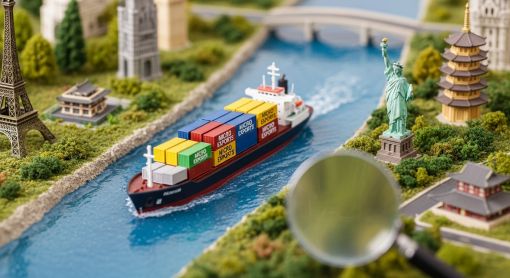
One of the biggest advantages of micro export is that it requires minimal bureaucracy. However, there are still some basic documents you need to prepare for the process to proceed smoothly. First, it is mandatory to prepare an e-Archive Invoice or a treasury-approved Turkish invoice for your shipment. This invoice serves as the primary document for official procedures in Turkey and VAT refund applications.
Second, you need to prepare a commercial invoice for the customs procedures of the buyer's country. This invoice is typically prepared in English or the language of the buyer's country and contains information such as product description, quantity, unit price, and total amount. Finally, you will be asked to fill out the Export Information Form requested by the authorized cargo firm. This form contains sender and recipient information along with product details and is used by the cargo company to create the ETGB.
When you prepare these three fundamental documents correctly and completely, your micro export process will be completed quickly and smoothly. Instead of dealing with complex customs documents, you can easily manage your international sales with these simple paperwork requirements.
Selling on E-Commerce Marketplaces (Amazon, Etsy)
Global marketplaces are among the most effective channels for entrepreneurs who want to engage in micro export. Platforms like Amazon and Etsy offer the opportunity to reach millions of potential customers instantly. Amazon stands out with its wide product range and logistics services such as FBA (Fulfillment by Amazon). Through FBA, you can send your products to Amazon's warehouses, delegating storage, packaging, and shipping processes to them, thereby reducing your operational burden.
Etsy is a niche marketplace primarily for handmade, vintage, and specially designed products. If you sell original and artistic products, Etsy's loyal customer base could be an ideal starting point for you. On both platforms, you first need to create a seller account, list your products with professional photos and SEO-optimized descriptions. When an order arrives, you can send your product via ETGB through an authorized cargo firm within the micro export rules (600 kg / 30,000 EUR). These platforms also provide support in areas such as payment infrastructure and customer services, making international trade much safer and more manageable for you.
B2B Micro Export with Alibaba and AliExpress
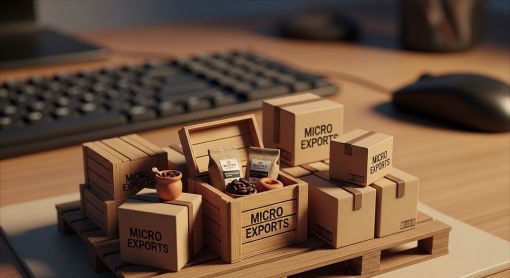
Although micro export typically brings to mind retail (B2C) sales, it is also possible to conduct business-to-business (B2B) sales through platforms like Alibaba and AliExpress. Alibaba is the world's largest wholesale trade platform and offers a great opportunity to sell your products in bulk to overseas buyers. Here, you can easily carry out your sample shipments or small-scale wholesale orders within the scope of micro export. This is a fast and cost-effective way to demonstrate your product quality to potential buyers.
AliExpress, while initially retail-focused, has become a supply center for many small businesses engaged in dropshipping. Turkish manufacturers can open stores on AliExpress to reach both retail customers and overseas sellers who want to sell your products in their own stores. The biggest advantage of these platforms is that they generally offer lower commission rates and provide direct access to a global buyer network. By listing your products with the right keywords and creating a reliable company profile, you can gain a significant place in the B2B micro export market.
Building Your Own Global E-Commerce Site
While marketplaces are a great starting point, building your own global e-commerce site is the most strategic step in the long run to build your brand and manage customer relationships directly. There are several important points to consider when doing micro export through your own site.
Language and Currency Localization
Your site should be translated into the language of your target market and offer payment options in local currencies. This significantly increases customer trust and conversion rates.
SEO-Friendly Product Photography
Product photos with relevant keywords in their URLs and file names will help your site rank higher in search engine results.
Global Advertising Campaigns
Run targeted ad campaigns through Instagram, Facebook, Twitter and Google Ads. Campaign themes and budgets should be tailored to the target country.
Partnership Models (Partners and Affiliates)
Having Partners (dropship calls, sales of your products through other sites) and Affiliates (promotional and commission-based cooperation) sections on your site can help you become more recognized.
Your own site gives you full control over your brand identity and allows you to achieve higher profit margins by avoiding marketplace commission fees. Integrating with reliable international payment systems (such as Stripe, PayPal) and fast cargo firms is essential. Offering transparent shipping costs and estimated delivery times to your customers improves the shopping experience.
Choosing the Right Marketplace for Success
One of the most strategic decisions when starting micro export is choosing which online marketplace to sell your products on. Each platform has its own unique customer base, commission structure, and dynamics. Making the right choice directly affects your success.
Etsy
Best for handmade, vintage, and custom-designed products with a creative-focused audience.
Amazon
Ideal for general consumer products with massive customer base and FBA logistics network.
Alibaba
Perfect for wholesale and B2B trade, connecting with international buyers for bulk orders.
eBay
Flexible platform offering both auction and fixed-price options for new and second-hand products.
Before deciding, ask yourself: Who is my target audience and which platform do they spend the most time on? Which platform is more suitable for my product category? How do commission rates and other fees affect my profit margin? Where are my competitors most active? The answers to these questions will help you find the right marketplace to maximize your sales potential.
Food Product Micro Export: Special Considerations
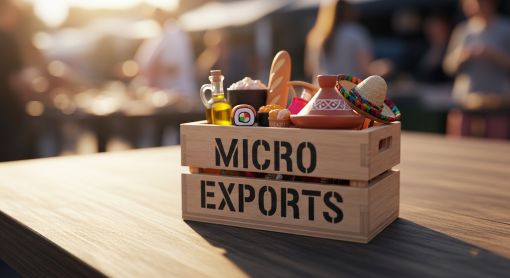
Selling food products abroad through micro export carries great potential but requires special attention. The standard micro export rules (600 kg / 30,000 EUR limit and ETGB usage) also apply to food products. However, in addition to these, it is mandatory to comply with the specific regulations and certification requirements set by each target country for food imports.
For example, if you want to send food products to the United States, you will likely need to have an FDA (Food and Drug Administration) registration and your product labels must comply with FDA standards. Similarly, European Union countries have strict rules regarding food safety and labeling. Additionally, obtaining additional documents can provide a competitive advantage to meet the expectations of consumers in your target market. For instance, a Halal Certificate for the Middle East market, or Kosher Certificate, Organic Certification for specific consumer groups can increase trust in your products and expand your market share.
Before starting food export, you should thoroughly research the customs and health ministry websites of your target country and prepare the necessary permits and documents in advance. This careful approach prevents your products from being held up at customs and ensures a successful export process.
Advantages of Micro Export vs Traditional Export
Micro export is a revolutionary approach that democratizes international trade by eliminating the complexity and high costs of the traditional export model. In traditional export, companies typically need to work with a customs consultant, prepare a detailed Customs Declaration, deal with complex payment methods such as letters of credit, and plan large-volume shipments. This process is both time-consuming and costly, especially for small businesses.
Micro export, on the other hand, offers a faster, simpler, and more cost-effective alternative. You can send your products abroad using just three basic documents (e-Archive Invoice, Commercial Invoice, Export Information Form) through authorized cargo companies. There is no need for a customs broker. The ETGB system handles all customs procedures digitally. Additionally, since micro export shipments are considered official exports, you can benefit from VAT refunds and other state incentives. This model enables even the smallest businesses to access global markets and earn foreign currency income, making it a powerful tool for economic growth and international competitiveness.