


Cosmetics, Perfumery and Personal Care Importers: Beauty Trade Insights
Cosmetics, Perfumery and Personal Care Importers: Beauty Trade Insights
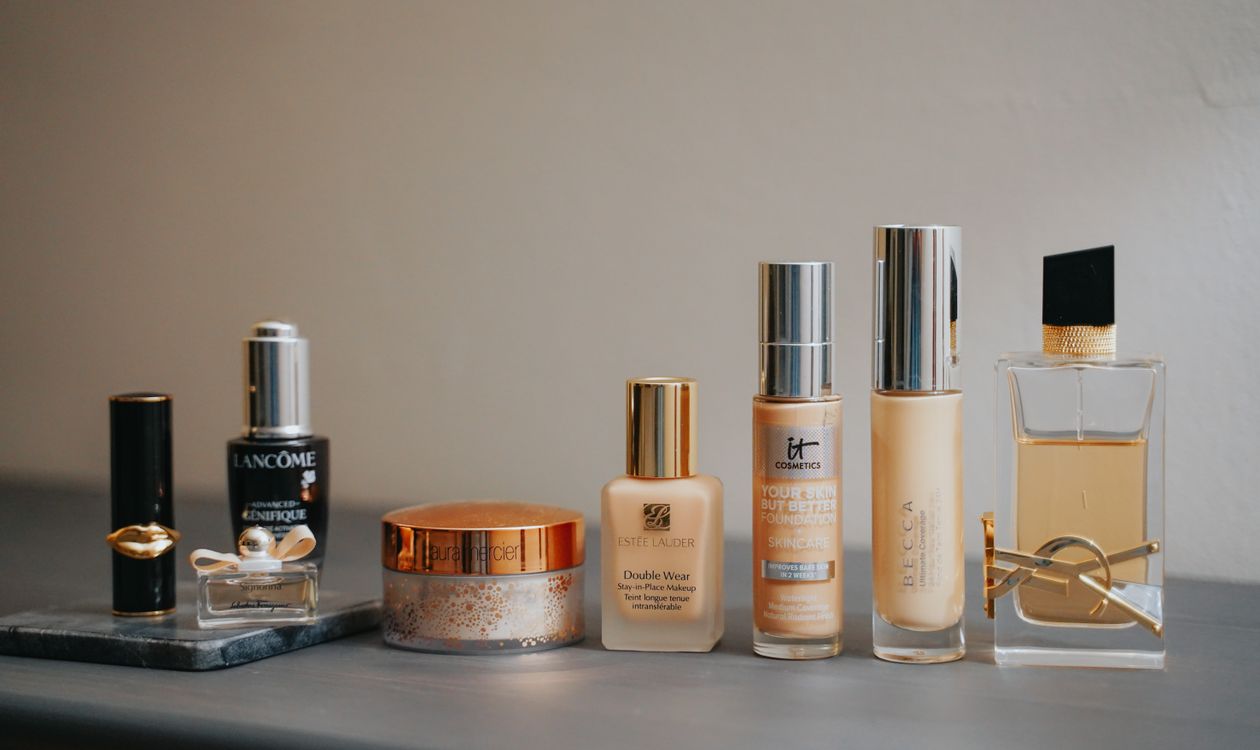
The global cosmetics, perfumery, and personal care industry represents one of the most dynamic and resilient sectors in international trade, with annual revenues exceeding $530 billion and consistent growth even during periods of economic uncertainty. The beauty industry's ability to innovate continuously, adapt to changing consumer preferences, and create emotional connections with consumers has made it a consistently attractive sector for importers and trade professionals seeking stable growth opportunities in global markets. From skincare and color cosmetics to fragrances, hair care, and personal hygiene products, the beauty trade encompasses a remarkably diverse range of product categories that serve consumers across every age group, gender, and income level worldwide.
The beauty trade landscape is being reshaped by several powerful forces, including the clean beauty and natural ingredients movement, the growing influence of social media and digital channels on product discovery and purchase decisions, the expansion of male grooming as a major market segment, and the increasing importance of sustainability and ethical sourcing throughout the supply chain. Importers must navigate this evolving environment while maintaining compliance with complex regulatory frameworks that govern product safety, ingredient restrictions, labeling requirements, and marketing claims in different markets around the world.
Key Product Categories in the Beauty Trade
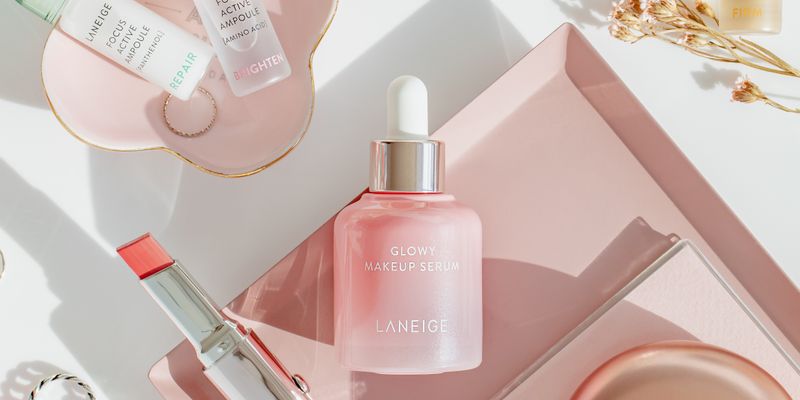
Skincare represents the largest product category in the beauty industry by value, driven by growing consumer understanding of skin health, the aging demographics in developed markets, and the proliferation of innovative ingredients and delivery systems that promise visible results. The skincare trade encompasses cleansers, toners, serums, moisturizers, sunscreens, and treatment products targeting specific skin concerns including aging, hyperpigmentation, acne, and sensitivity. Importers of skincare products must navigate a particularly complex regulatory environment, as many skincare products are classified as cosmetics in some markets and as quasi-drugs or therapeutic goods in others, creating different registration, testing, and labeling requirements depending on the destination market.
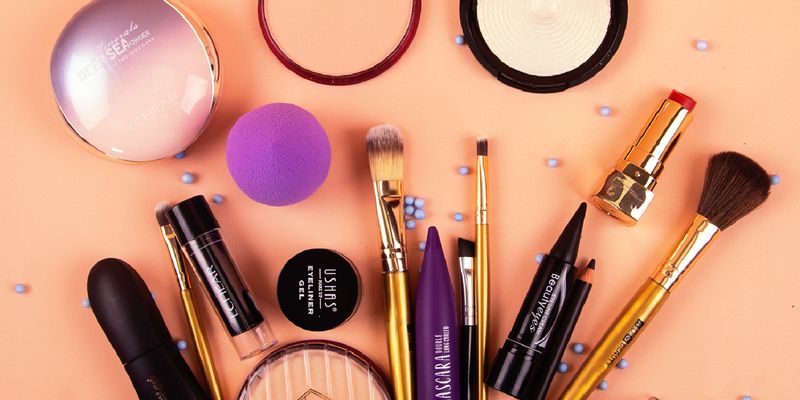
Color cosmetics, including makeup products such as foundations, lipsticks, eyeshadows, mascaras, and nail polishes, represent a highly trend-driven segment of the beauty trade that demands rapid product innovation and the ability to respond quickly to shifting fashion and beauty trends. The color cosmetics market has been transformed by social media platforms, where beauty influencers and content creators drive product awareness and demand at unprecedented speed. This social media influence has created opportunities for niche and indie beauty brands to compete with established multinational companies, generating new sourcing demands for importers who serve these emerging brands with innovative formulations, packaging solutions, and manufacturing capabilities.
Fragrances and perfumery constitute a high-value segment of the beauty trade characterized by strong brand equity, sophisticated ingredient sourcing, and complex regulatory requirements. The global fragrance market encompasses fine fragrances (prestige perfumes sold through department stores and specialty retailers), mass-market fragrances, personal care fragrances used in soaps, shampoos, and body lotions, and home fragrances including candles, diffusers, and room sprays. The fragrance trade requires importers with specialized knowledge of fragrance chemistry, natural and synthetic ingredient sourcing, regulatory compliance for allergen labeling, and the intellectual property considerations that protect fragrance compositions.
Regulatory Compliance in the Beauty Industry
The cosmetics and personal care industry is subject to comprehensive regulatory frameworks that vary significantly across different markets, creating substantial compliance challenges for importers operating in multiple jurisdictions. The European Union's Cosmetics Regulation (EC) No 1223/2009 is widely regarded as the most comprehensive and stringent cosmetics regulatory framework in the world, requiring product safety assessments, responsible person designation, product information file maintenance, notification through the CPNP (Cosmetics Product Notification Portal), and strict labeling requirements including ingredient listing using INCI (International Nomenclature of Cosmetic Ingredients) nomenclature.
The United States Food and Drug Administration (FDA) regulates cosmetics under the Federal Food, Drug, and Cosmetic Act (FD&C Act), with the Modernization of Cosmetics Regulation Act (MoCRA) of 2022 significantly expanding the FDA's authority over cosmetics, including mandatory facility registration, product listing, adverse event reporting, and good manufacturing practice requirements. Importers of cosmetics into the United States must ensure their products comply with FDA requirements, including the prohibition of certain color additives, restrictions on specific ingredients, and compliance with voluntary industry standards such as those established by the Personal Care Products Council (PCPC) and the Cosmetic Ingredient Review (CIR) panel.
Halal certification for cosmetics has emerged as an increasingly important requirement in markets with significant Muslim populations, including Southeast Asia, the Middle East, and parts of Africa and Europe. Halal cosmetics are manufactured without ingredients derived from non-halal sources such as pork-derived gelatin or alcohol, and must be produced using manufacturing processes that prevent cross-contamination with non-halal substances. Importers targeting halal cosmetics markets must work with recognized halal certification bodies and maintain the documentation needed to demonstrate compliance with halal requirements throughout the supply chain, from raw material sourcing to final product packaging.
Clean Beauty and Natural Ingredients Trends
The clean beauty movement has fundamentally transformed consumer expectations and trade dynamics in the cosmetics and personal care industry. Clean beauty products are generally defined as those formulated without ingredients perceived as potentially harmful, including parabens, sulfates, synthetic fragrances, phthalates, mineral oil, and formaldehyde-releasing preservatives. While there is no universally agreed regulatory definition of clean beauty, major retailers including Sephora, Target, and Credo Beauty have established their own clean beauty standards and product criteria, creating de facto requirements for importers seeking distribution through these important retail channels.
The demand for natural and organic cosmetics has grown substantially, with certifications from organizations such as COSMOS, NATRUE, and Ecocert providing consumers with assurance that products meet specific standards for natural and organic ingredient content, sustainable sourcing, and environmentally responsible manufacturing processes. Importers of natural and organic beauty products must navigate a complex landscape of certification standards, ingredient sourcing challenges, and shelf-life considerations, as natural formulations often face shorter shelf lives and greater sensitivity to storage conditions compared to conventional synthetic alternatives.
The K-beauty (Korean beauty) and J-beauty (Japanese beauty) phenomena have created significant import demand for Asian beauty products in Western markets, driven by the innovative formulations, unique ingredients, and sophisticated multi-step skincare routines that characterize these beauty cultures. Products containing ingredients such as snail mucin, fermented rice water, centella asiatica (cica), and various traditional herbal extracts have gained widespread popularity among global consumers seeking effective and novel skincare solutions. Importers who can source authentic K-beauty and J-beauty products and navigate the regulatory requirements for bringing these products to market are well positioned to capitalize on this enduring trend.
Supply Chain and Packaging Innovation
The beauty industry supply chain encompasses ingredient sourcing, formulation development, manufacturing, filling and packaging, quality control, and distribution, with each stage requiring specialized expertise and facilities. Beauty product importers often work with contract manufacturers and private label producers who can develop formulations, produce products, and manage packaging according to the importer's specifications and brand requirements. This contract manufacturing model allows importers to enter the beauty market without significant capital investment in manufacturing facilities while maintaining control over product formulation, quality, and branding.
Packaging innovation has become a major differentiator in the beauty industry, with consumers increasingly expecting packaging that is not only aesthetically appealing but also sustainable, functional, and experiential. Refillable packaging systems, airless pump dispensers that protect sensitive formulations, sustainable materials including biodegradable plastics and recycled content packaging, and smart packaging incorporating NFC technology and augmented reality experiences are all gaining traction in the beauty market. Importers who can offer innovative packaging solutions alongside quality products gain significant advantages in competitive retail environments where shelf appeal and sustainability credentials increasingly influence purchasing decisions.
Cold chain logistics is an important consideration for certain beauty product categories, particularly those containing active ingredients such as vitamins, peptides, and botanical extracts that may degrade when exposed to elevated temperatures. Importers shipping these products to markets with hot climates must ensure appropriate temperature-controlled storage and transportation throughout the supply chain, from manufacturing facility to final retail destination. Investment in cold chain capabilities can provide competitive advantages in markets where temperature sensitivity has historically limited the availability of premium beauty products with active ingredients.
Connect with Verified Beauty Importers
Whether you are a cosmetics manufacturer seeking distribution partners, a raw materials supplier looking for buyers, or a trade professional building connections in the beauty industry, access to comprehensive importer directories and trade data is essential for identifying the right business partners and building successful international relationships in this vibrant and growing global market.
Browse Cosmetics and Personal Care Importers Directory
Looking for verified cosmetics and personal care importers? Contact us via WhatsApp for trade data and business connections.