


Footwear Importers: A Complete Guide to the Global Shoe Trade
Footwear Importers: A Complete Guide to the Global Shoe Trade

The global footwear trade is a multi-billion dollar industry that combines fashion, functionality, and manufacturing in ways that few other product categories can match. With annual global production exceeding 24 billion pairs of shoes and trade values surpassing $380 billion, the footwear industry represents a significant segment of international commerce that touches the lives of consumers across every demographic and geographic segment. For importers and trade professionals, the footwear market offers diverse opportunities spanning luxury fashion brands, athletic performance products, mass-market casual footwear, and specialized industrial and safety shoes, each with distinct supply chain requirements, market dynamics, and competitive landscapes.
The footwear trade has undergone substantial transformation in recent years, driven by the growth of e-commerce, shifting consumer preferences toward comfort and sustainability, supply chain disruptions that exposed vulnerabilities in concentrated production models, and the increasing influence of social media on fashion trends and brand perception. Importers must navigate this rapidly evolving landscape while managing the traditional challenges of the footwear business, including seasonal demand fluctuations, complex sizing requirements across different markets, and the need to balance fashion-forward design with manufacturing efficiency and cost competitiveness.
Footwear Categories and Market Segments

The footwear market encompasses several major product categories, each serving distinct consumer needs, price points, and distribution channels. Athletic and sports footwear represents the largest segment by value, driven by the global popularity of sports and fitness activities, the athleisure fashion trend that has blurred boundaries between athletic and casual footwear, and the technological innovation that major brands continuously introduce in performance features such as cushioning, stability, traction, and energy return. This segment demands importers with strong technical understanding of material technologies, manufacturing processes, and performance testing standards that ensure products meet the expectations of serious athletes and active consumers.
Casual and fashion footwear constitutes the largest segment by volume, encompassing a vast range of styles from everyday sneakers and sandals to boots, loafers, and formal dress shoes. This segment is heavily influenced by fashion trends, seasonal styles, and cultural factors that vary significantly across different geographic markets. Importers serving the casual footwear segment must maintain close awareness of emerging trends and have the ability to respond quickly to changing consumer preferences through agile sourcing and inventory management strategies. The growth of social media-driven fashion trends has accelerated the pace of style change in this segment, creating both opportunities for trend-responsive importers and risks for those who cannot adapt quickly enough.
Safety and industrial footwear represents a specialized segment with stringent technical requirements governed by international standards such as EN ISO 20345 in Europe and ASTM F2413 in the United States. Safety shoes must meet specific requirements for impact resistance, compression resistance, puncture protection, slip resistance, and electrical hazard protection depending on their intended application. Importers of safety footwear must navigate complex certification processes, maintain rigorous quality control standards, and understand the specific protective requirements of different industrial applications including construction, manufacturing, logistics, oil and gas, and chemical processing. Despite the technical complexity, the safety footwear segment offers stable demand patterns driven by occupational health and safety regulations that mandate protective footwear in hazardous work environments.
Manufacturing Hubs and Sourcing Strategies
The global footwear manufacturing landscape is concentrated in a relatively small number of countries, with China, Vietnam, Indonesia, India, and Bangladesh accounting for the vast majority of global footwear production. Each of these countries offers distinct advantages in terms of labor costs, manufacturing capabilities, material supply chains, and trade policy arrangements that importers must evaluate when developing their sourcing strategies. China remains the single largest footwear producer, though its share of global production has been declining gradually as labor costs have risen and production has shifted to lower-cost alternatives in Southeast Asia.
Vietnam has emerged as the fastest-growing footwear manufacturing hub, attracting significant investment from major global brands and manufacturers seeking to diversify their supply chains beyond China. The country's well-developed footwear industry infrastructure, competitive labor costs, favorable trade agreements including the EU-Vietnam Free Trade Agreement (EVFTA) and the Comprehensive and Progressive Agreement for Trans-Pacific Partnership (CPTPP), and growing reputation for quality manufacturing have positioned Vietnam as a preferred sourcing destination for importers of both athletic and casual footwear. However, capacity constraints and rising labor costs in Vietnam are prompting importers to also explore opportunities in Cambodia, Myanmar, and Ethiopia as alternative production locations.
Private label and contract manufacturing arrangements represent important sourcing strategies for footwear importers, allowing them to develop custom product lines and branded collections without investing in their own manufacturing facilities. Working with contract manufacturers requires strong product development capabilities, clear communication of design specifications and quality standards, and robust quality inspection protocols throughout the production process. Many successful footwear importers maintain design and development teams that work closely with contract manufacturing partners to create differentiated products that meet their market requirements while optimizing manufacturing costs and production efficiency.
Materials and Sustainability Trends
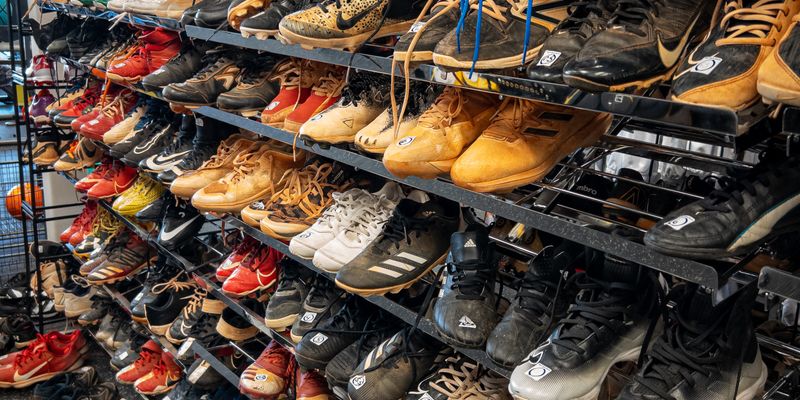
The materials used in footwear manufacturing have a significant impact on product performance, cost, and environmental footprint. Traditional footwear relies heavily on leather, synthetic rubber, EVA foam, polyester, and polyurethane, materials that each raise sustainability considerations related to animal welfare, petrochemical dependence, and end-of-life recyclability. The footwear industry is actively exploring and adopting alternative materials including plant-based leathers derived from pineapple leaves, mushroom mycelium, and apple waste, recycled ocean plastics for uppers and linings, natural rubber for outsoles, and bio-based foam materials for midsole cushioning.
Consumer awareness of sustainability issues in footwear production has grown substantially, with particular attention focused on labor practices in manufacturing countries, the environmental impact of leather tanning processes, and the disposal challenges posed by non-recyclable shoe waste. Major brands and retailers are responding with sustainability commitments that include the use of recycled materials, carbon reduction targets, supply chain transparency initiatives, and take-back programs that facilitate the collection and recycling of used footwear. Importers who can verify and communicate the sustainability credentials of their products gain preferential access to environmentally conscious retailers and consumers who increasingly factor sustainability into their purchasing decisions.
The circular economy model is gaining traction in the footwear industry, with initiatives focused on designing shoes for disassembly and recyclability, developing recycling technologies that can separate mixed material shoe components, and creating business models based on shoe rental, refurbishment, and resale. These circular economy approaches are still in early stages of development but represent potentially transformative trends that forward-thinking importers are beginning to monitor and explore. Brands that successfully implement circular economy models may create new competitive advantages and customer loyalty in markets where sustainability consciousness continues to grow.
Quality Control and Size Standardization
Footwear quality control encompasses a comprehensive set of inspection criteria covering materials, construction, dimensions, performance, and appearance. Key quality parameters include stitching quality, adhesive bond strength, sole attachment durability, color consistency, material defects, and dimensional accuracy across the full size range. International testing standards such as SATRA TM (Satra Technology Centre test methods) provide standardized protocols for evaluating footwear quality and performance characteristics, helping importers establish clear quality benchmarks with their manufacturing partners and ensure consistent product quality across production batches.
Size standardization remains one of the most challenging aspects of the global footwear trade, as sizing systems vary significantly across different regions and even within countries. The European (Paris point), US, and UK sizing systems each use different measurement methodologies and size increments, creating confusion for international trade and requiring importers to carefully manage size conversion and labeling for their target markets. Additionally, fit preferences vary across different populations, meaning that the same size may feel different to consumers in different regions based on foot shape, width preferences, and cultural expectations. Successful footwear importers invest in understanding the specific fit requirements of their target markets and work with their manufacturing partners to develop lasts (footwear molds) and size ranges optimized for their customer base.
Pre-shipment inspection is a critical quality control practice in the footwear trade, typically involving physical inspection of finished products at the manufacturing facility before shipment. Inspection protocols cover AQL (Acceptable Quality Level) sampling procedures, defect classification systems, and pass/fail criteria that determine whether production batches are approved for shipment. Importers who invest in professional pre-shipment inspection, either through in-house quality teams or third-party inspection services, significantly reduce the risk of receiving substandard products and the associated costs of returns, discounts, and customer dissatisfaction.
Find Verified Footwear Importers
Whether you are a footwear manufacturer seeking distribution partners, a materials supplier looking for new customers, or a trade professional building connections in the footwear industry, access to comprehensive importer directories and trade data provides the foundation for building successful international business relationships in this dynamic and fashion-driven global market.
Browse Footwear Importers Directory
Need verified footwear importer contacts? Contact us via WhatsApp for trade data and business connections worldwide.