


Machinery and Equipment Importers: Building Global Industrial Partnerships
Machinery and Equipment Importers: Building Global Industrial Partnerships
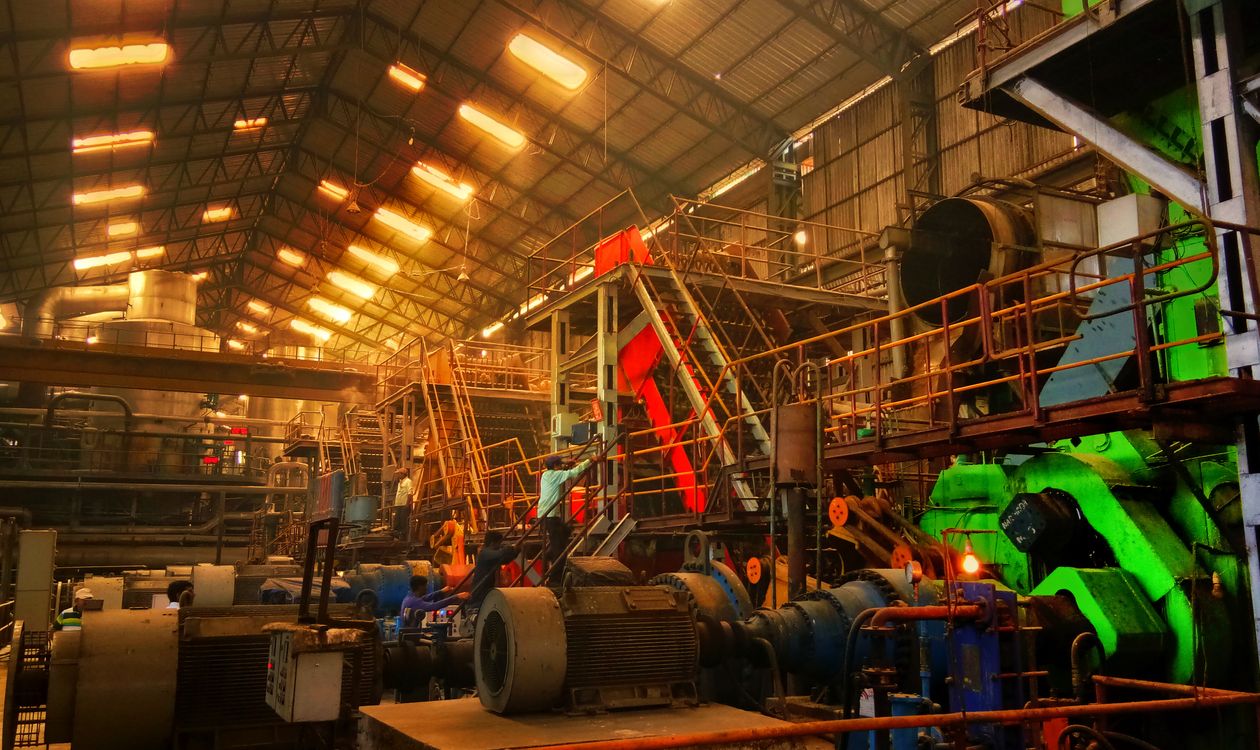
The global machinery and equipment trade represents a cornerstone of international commerce, with annual trade values exceeding $2.5 trillion and products serving virtually every sector of the global economy. From heavy construction equipment and manufacturing machinery to precision instruments, agricultural equipment, and medical devices, imported machinery enables countries to develop their industrial capabilities, modernize their infrastructure, and improve their productive capacity. The machinery trade is characterized by high-value transactions, long product lifecycles, and complex logistics requirements that demand specialized expertise from importers operating in this critical sector.
The machinery import landscape has evolved significantly in recent years, driven by rapid technological advancement, the integration of digital technologies into industrial equipment, and shifting patterns of global manufacturing and infrastructure investment. Importers must now navigate a market that includes traditional mechanical and electrical machinery alongside smart manufacturing systems, industrial IoT (Internet of Things) enabled equipment, and automation solutions that incorporate artificial intelligence, machine learning, and advanced robotics. This technological evolution creates both opportunities for importers who can stay ahead of emerging trends and challenges for those who struggle to keep pace with rapid change.
Key Machinery Categories in International Trade

Industrial machinery constitutes the largest segment of the machinery trade, encompassing machine tools, metalworking equipment, plastic processing machinery, printing and packaging equipment, and textile manufacturing machinery. These products serve as the backbone of manufacturing industries worldwide, and demand is closely linked to industrial production activity, manufacturing capacity expansion, and equipment replacement cycles. Industrial machinery importers typically serve manufacturing companies, government industrial development programs, and infrastructure projects that require specialized equipment for production, processing, and fabrication operations.
Construction machinery represents another major trade category, including excavators, bulldozers, cranes, concrete mixing and placing equipment, road construction machinery, and earthmoving equipment. The demand for construction machinery is driven by infrastructure investment, urbanization trends, and real estate development activity across both developed and emerging markets. Major construction machinery exporting countries include China, Japan, Germany, the United States, and South Korea, each with distinct product strengths, pricing strategies, and after-sales support capabilities that importers must evaluate when selecting supplier partnerships.
Agricultural machinery, including tractors, harvesters, irrigation equipment, planting and seeding machinery, and crop processing equipment, forms a vital segment of the machinery trade that directly impacts food production capacity and agricultural productivity. The global agricultural machinery market has experienced strong growth driven by mechanization trends in developing countries, the adoption of precision agriculture technologies, and the increasing scale of farming operations worldwide. Importers serving this segment must understand the specific requirements of different agricultural systems, climate conditions, and farming practices in their target markets to recommend appropriate equipment solutions to their customers.
Technical Standards and Certification Requirements
Machinery imports are subject to extensive technical standards and certification requirements that vary significantly across different markets and product categories. The European Union's CE marking system requires machinery products to meet essential health and safety requirements defined in the Machinery Directive (2006/42/EC), including design, manufacturing, and documentation standards that demonstrate compliance with European safety norms. Importers of machinery destined for European markets must ensure that their products carry valid CE certificates issued by authorized conformity assessment bodies, along with technical documentation and declarations of conformity that enable customs clearance and market access.
In North America, machinery products must comply with standards established by organizations including OSHA (Occupational Safety and Health Administration), NFPA (National Fire Protection Association), UL (Underwriters Laboratories), and CSA (Canadian Standards Association). Specific product categories such as electrical equipment, pressure vessels, and lifting equipment are subject to additional certification requirements from specialized bodies. Machinery importers serving North American markets must navigate this complex standards landscape and ensure that their products meet all applicable requirements before offering them for sale or distribution.
IEC (International Electrotechnical Commission) standards play a crucial role in the machinery trade, particularly for equipment that incorporates electrical components, control systems, or power generation capabilities. IEC standards cover a wide range of technical aspects including electrical safety, electromagnetic compatibility, performance testing, and environmental protection. Compliance with IEC standards is often a prerequisite for market access in many countries and can significantly reduce the time and cost associated with obtaining additional national certifications. Machinery importers who work with manufacturers that already meet IEC standards benefit from faster market entry and lower compliance costs in their target markets.
After-Sales Support and Service Capabilities
After-sales support represents one of the most critical factors in the machinery import business, often determining the long-term success or failure of importer-distributor relationships with their customers. Industrial machinery typically requires ongoing maintenance, repair, and technical support throughout its operational life, which can extend for decades in some cases. Importers who invest in building robust after-sales service capabilities, including spare parts inventory management, field service technician networks, and technical training programs, create significant competitive advantages and build lasting customer relationships in markets where equipment reliability and uptime directly impact their customers' production output and profitability.
Spare parts supply chain management is a particularly important aspect of after-sales support for machinery importers. Equipment downtime due to unavailable spare parts can result in substantial financial losses for customers, making parts availability a key differentiator in competitive markets. Successful importers maintain strategic spare parts inventories, establish efficient ordering and logistics systems with their manufacturing partners, and develop predictive maintenance capabilities that help customers anticipate parts needs before equipment failures occur. The growing adoption of digital tools including online parts catalogues, remote diagnostics, and 3D printing of replacement components is transforming spare parts management and creating new opportunities for innovative importers.
Training and technical support capabilities are equally important for machinery importers seeking to maximize customer satisfaction and equipment utilization. Many machinery products require specialized knowledge for proper operation, maintenance, and troubleshooting. Importers who offer comprehensive training programs, including operator training, maintenance technician certification, and advanced troubleshooting workshops, add significant value for their customers and differentiate themselves from competitors who focus solely on equipment supply. Partnerships with machinery manufacturers for factory training and technology transfer programs further enhance importer capabilities and credibility in their local markets.
Financing and Payment Structures in Machinery Trade
The high value and long lifecycle of machinery products create distinctive financing requirements that differ significantly from other import sectors. Machinery transactions often involve extended payment terms, progressive payment structures tied to manufacturing milestones and shipment stages, and the involvement of specialized trade finance instruments such as supplier credits, buyer credits, and leasing arrangements. Understanding these financing mechanisms and developing relationships with banks and financial institutions experienced in trade finance is essential for machinery importers to structure transactions that are competitive while managing their own cash flow and risk exposure effectively.
Export credit agencies (ECAs) in major machinery exporting countries provide government-backed financing support for machinery exports, including guarantees, insurance, and direct lending programs that can significantly improve financing terms for importers. Programs offered by agencies such as Euler Hermes (Germany), SACE (Italy), UKEF (United Kingdom), and EXIM Bank (United States, China, and several other countries) can provide favorable financing terms, including longer repayment periods and lower interest rates compared to commercial financing alternatives. Importers who understand and utilize ECA financing programs gain a significant competitive advantage in markets where access to affordable financing is a key factor in purchasing decisions.
The growing availability of equipment leasing and rental options in many markets provides alternative pathways for end users to access machinery without the capital investment required for outright purchase. This trend creates opportunities for machinery importers to expand their business models beyond traditional product sales to include leasing, rental, and used equipment management services that generate recurring revenue streams and strengthen customer relationships over extended periods. Importers who develop diversified business models that combine equipment sales with after-sales support, financing solutions, and equipment lifecycle management services position themselves as comprehensive partners for their customers rather than simple product suppliers.
Discover Verified Machinery Importers
Success in the machinery trade requires access to reliable business intelligence and verified importer contacts across global markets. Whether you are a machinery manufacturer seeking distribution partners, a components supplier looking for OEM customers, or a trade services provider supporting the machinery sector, comprehensive importer directories and trade data platforms provide the foundation for building successful international business relationships in this dynamic and rewarding industry.
Browse Machinery and Equipment Importers Directory
Need verified machinery importer contacts? Contact us via WhatsApp for trade data and business connections worldwide.